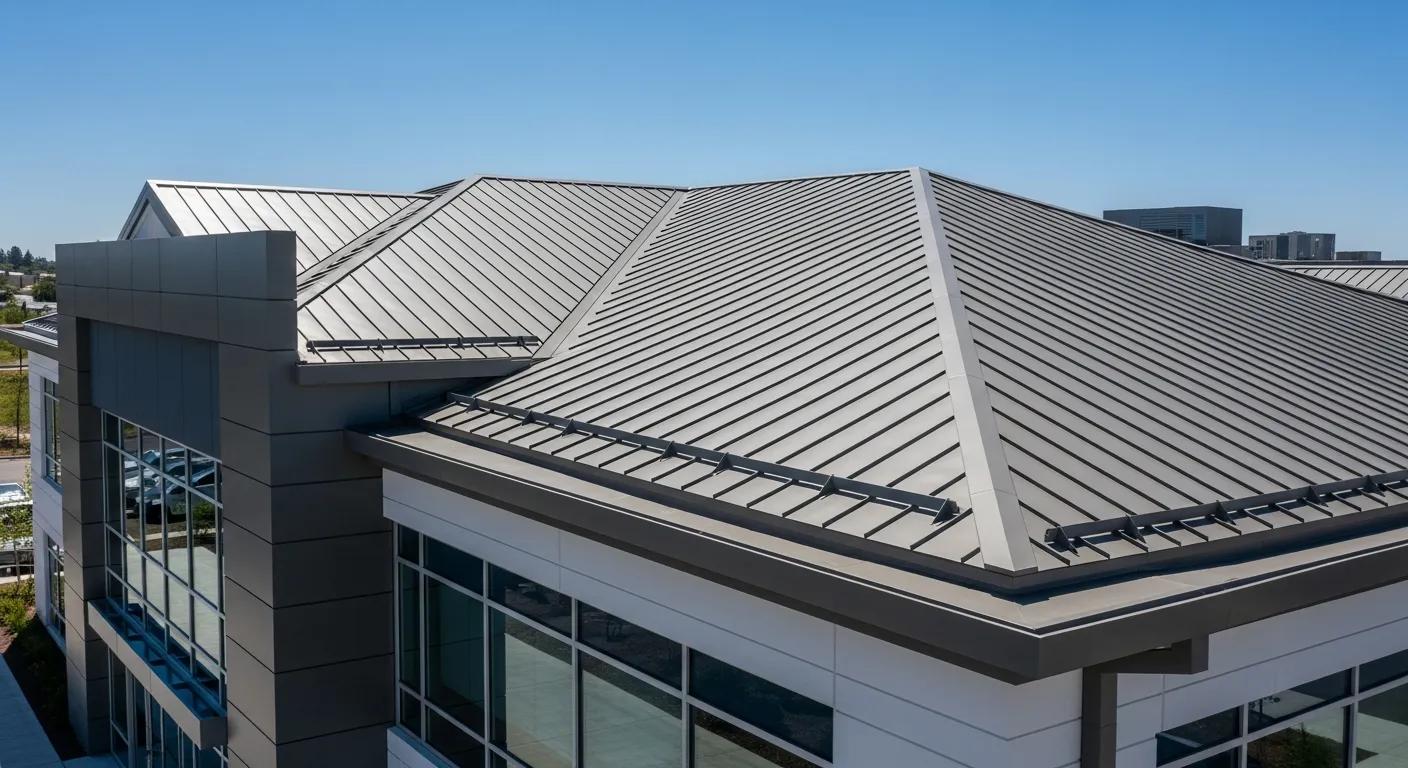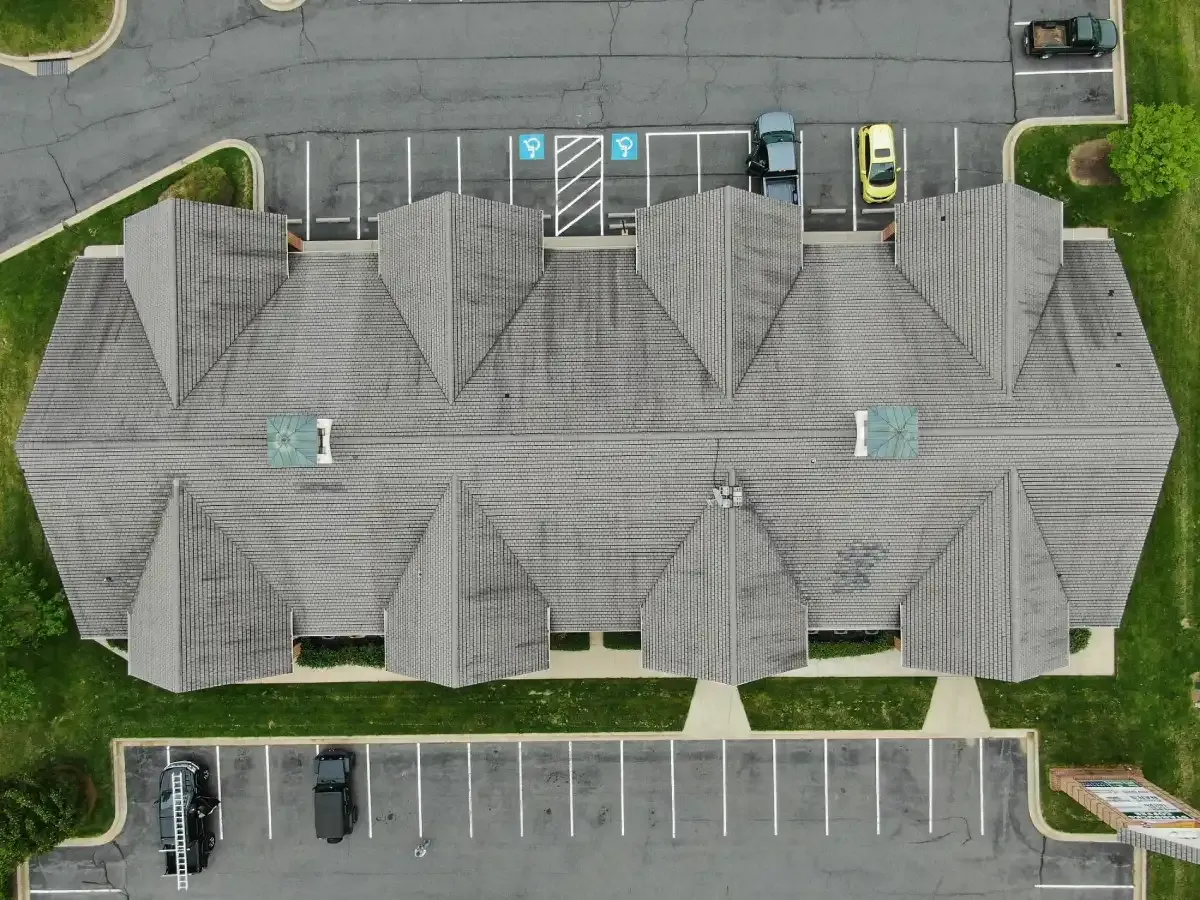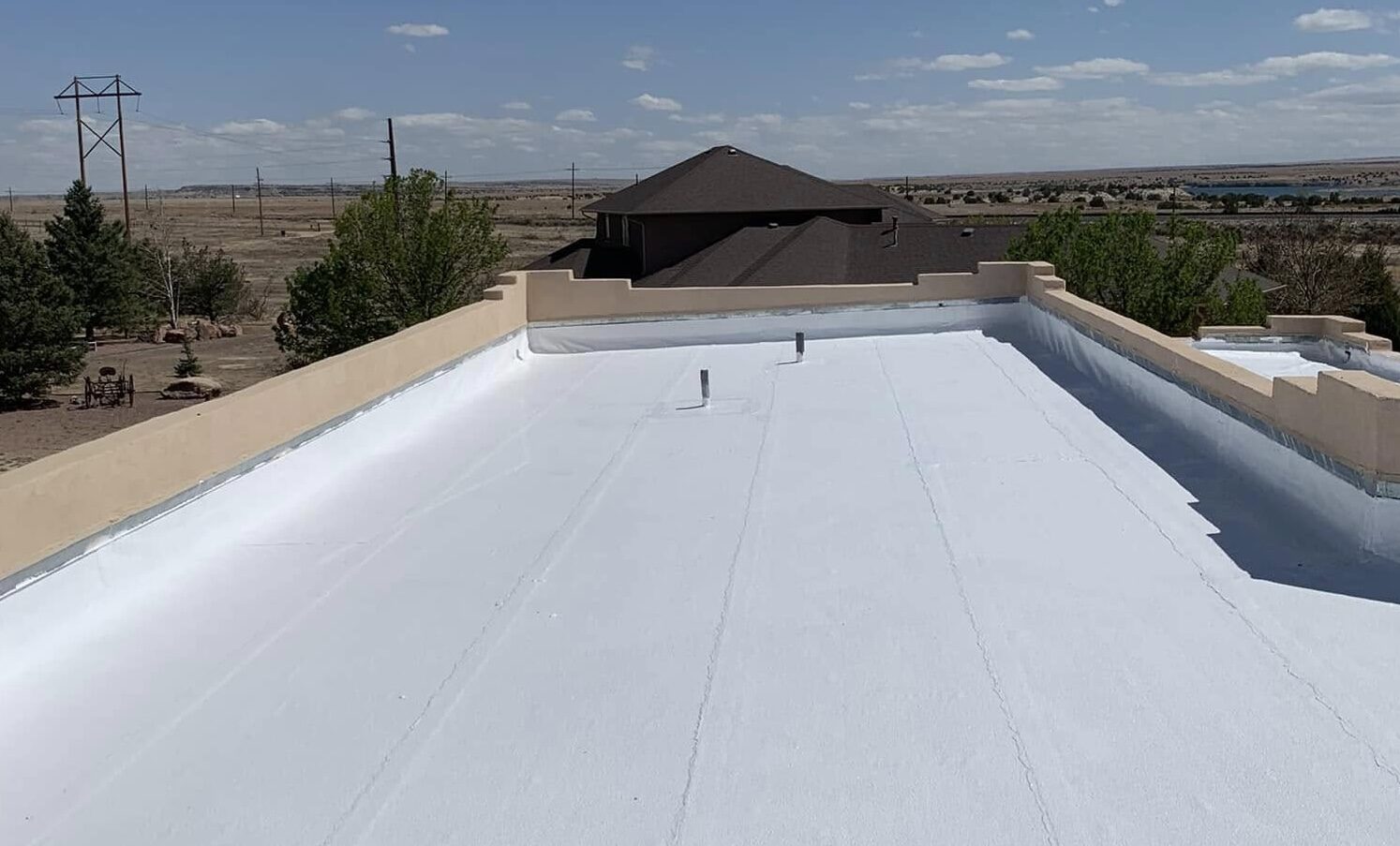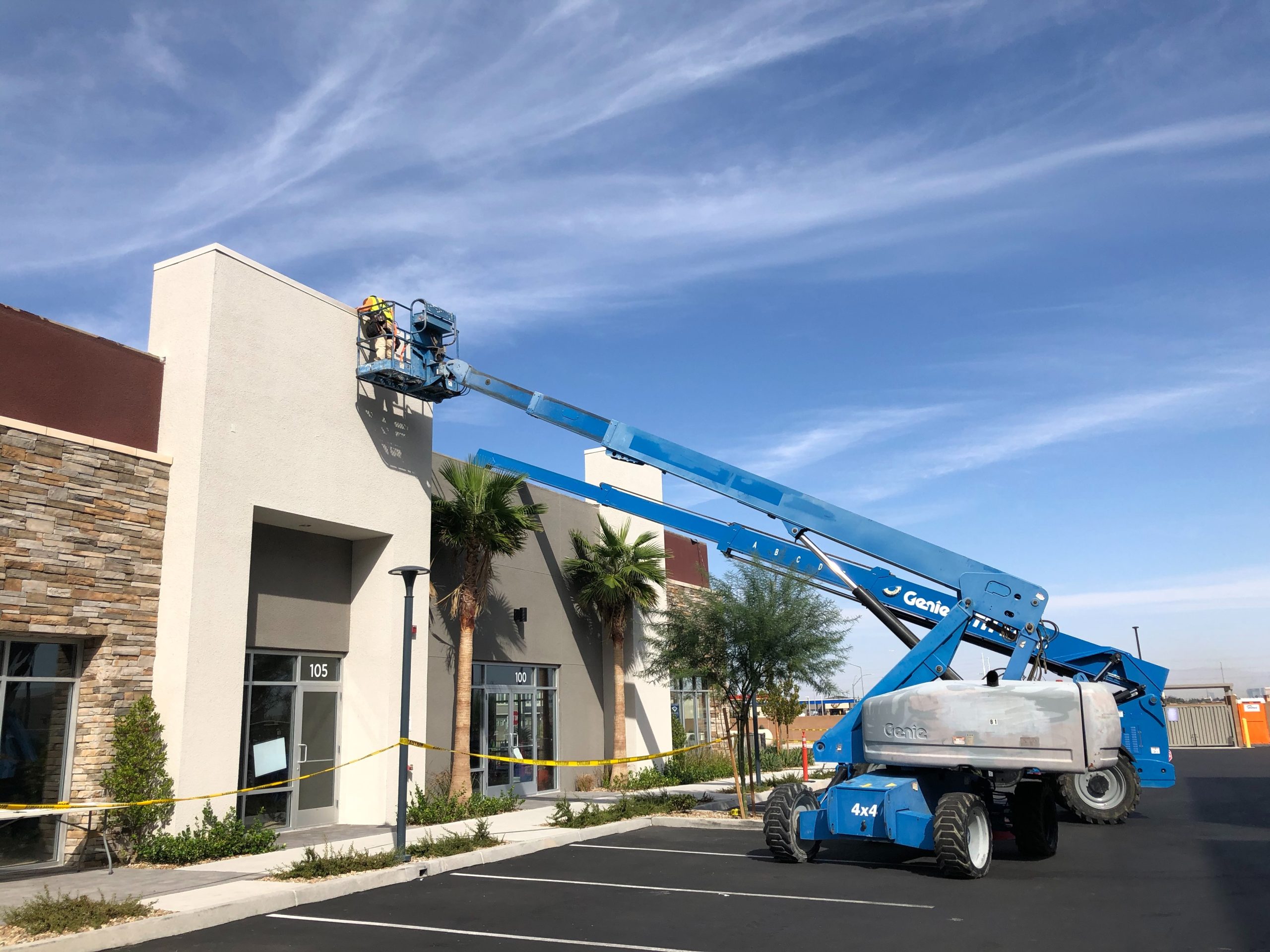
Replacement and repair are only part of the work. Most commercial roof failures across DFW happen because the asset was not managed between projects — warranty maintenance lapsed, condition data was never captured, capital cycles were reactive instead of planned.
The capabilities below describe how we manage roof assets as long-running engagements — what we inspect on a recurring cadence, what we document, how we coordinate with manufacturer warranty desks, and how we support competitive procurement for owners who want defensible bid processes rather than incumbent-contractor renewals.
Annual and semi-annual inspections with a documented deliverable you can actually use — not a one-page form letter, but a zone-keyed photo log with scope columns that tells your maintenance team and your capital planner what is happening on the roof.
Dallas asset owners with five buildings or fifty need roof condition data that compounds over time — not a series of disconnected inspection reports. We maintain the condition record, the capital forecast, and the warranty-status log for your whole portfolio.
A manufacturer warranty on a commercial roof is only as good as the maintenance documentation behind it. We handle the annual maintenance work, produce the documentation the manufacturers require, and keep your warranty from lapsing on a technicality.
Roofing CapEx across a Dallas commercial portfolio is predictable if you have the condition data to forecast from. We build the multi-year capital plan, sequence replacements against your budget, and produce the written documentation that gets the ask approved.
A condition report is only useful if it is specific enough to act on. Every report we produce includes a zone diagram, a photo log keyed to the diagram, and scope columns that tell you what to do and when — at one of three depth tiers depending on how the report will be used.
A recover-versus-replace decision without moisture data is a guess. Core sampling and moisture mapping tell you how much of the insulation is wet and where — the numbers that drive the honest scope recommendation.
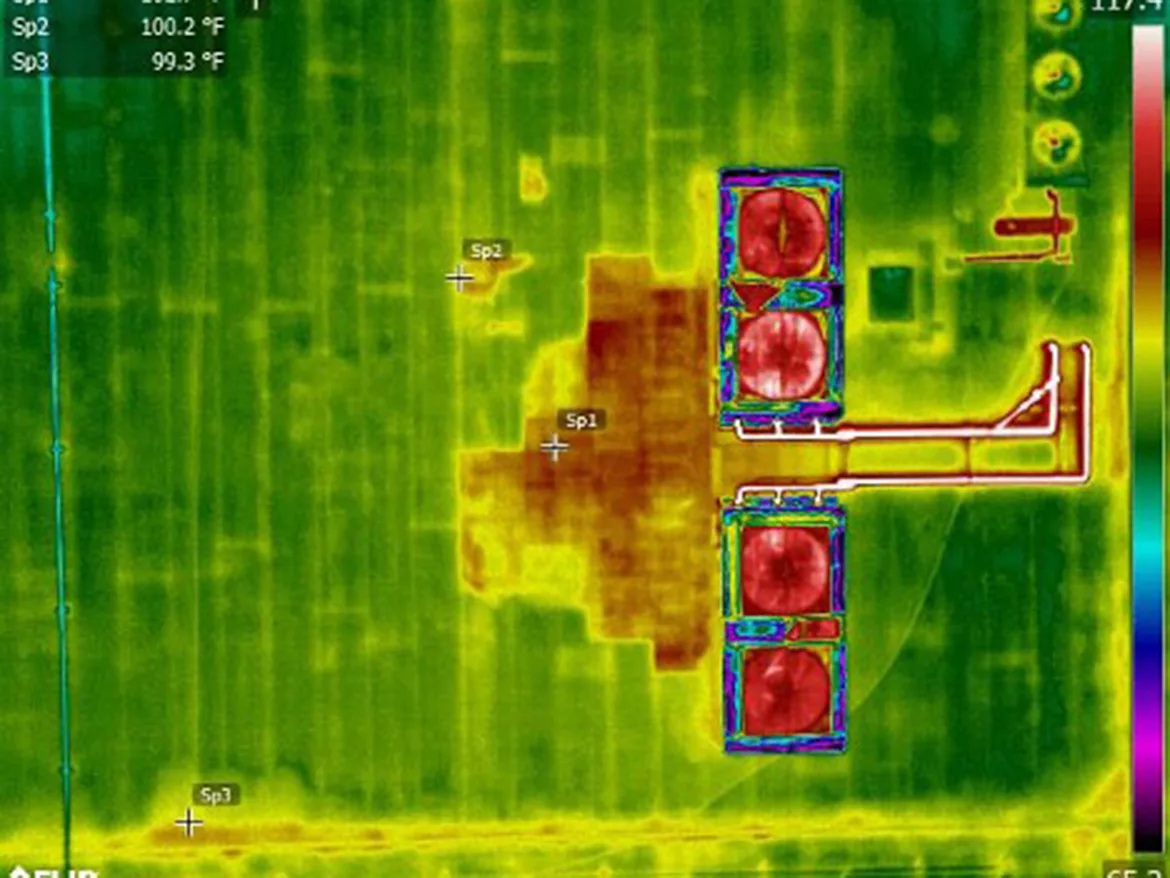
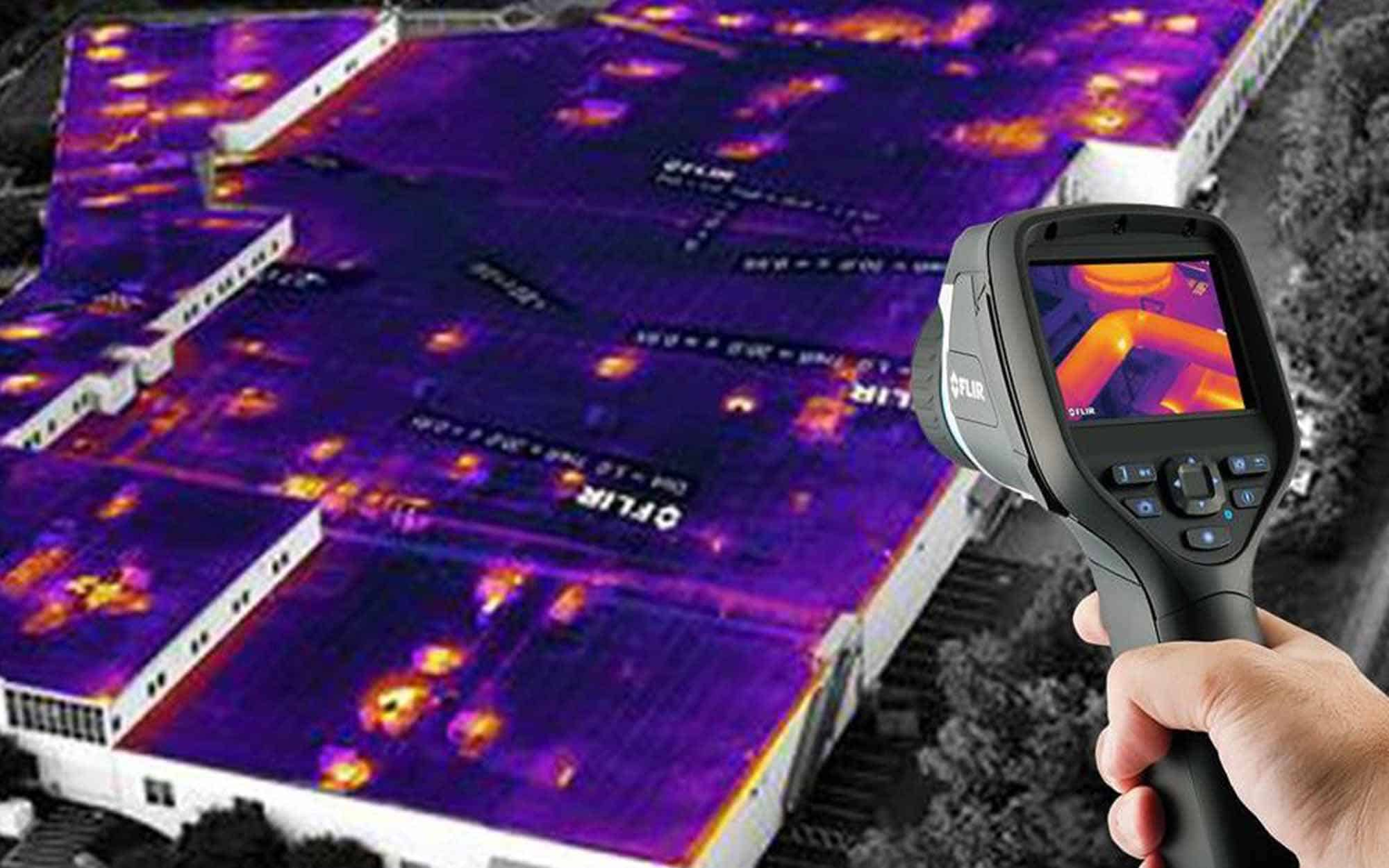
Infrared thermography can cover a 100,000 sq ft roof in an evening and identify probable moisture zones across the full area — a capability that core sampling alone cannot match for large buildings. We use IR to guide the core sampling program, not to replace it.
Every report, inspection record, and capital document we produce is anchored to a zone diagram specific to that building. The diagram is the permanent reference that survives