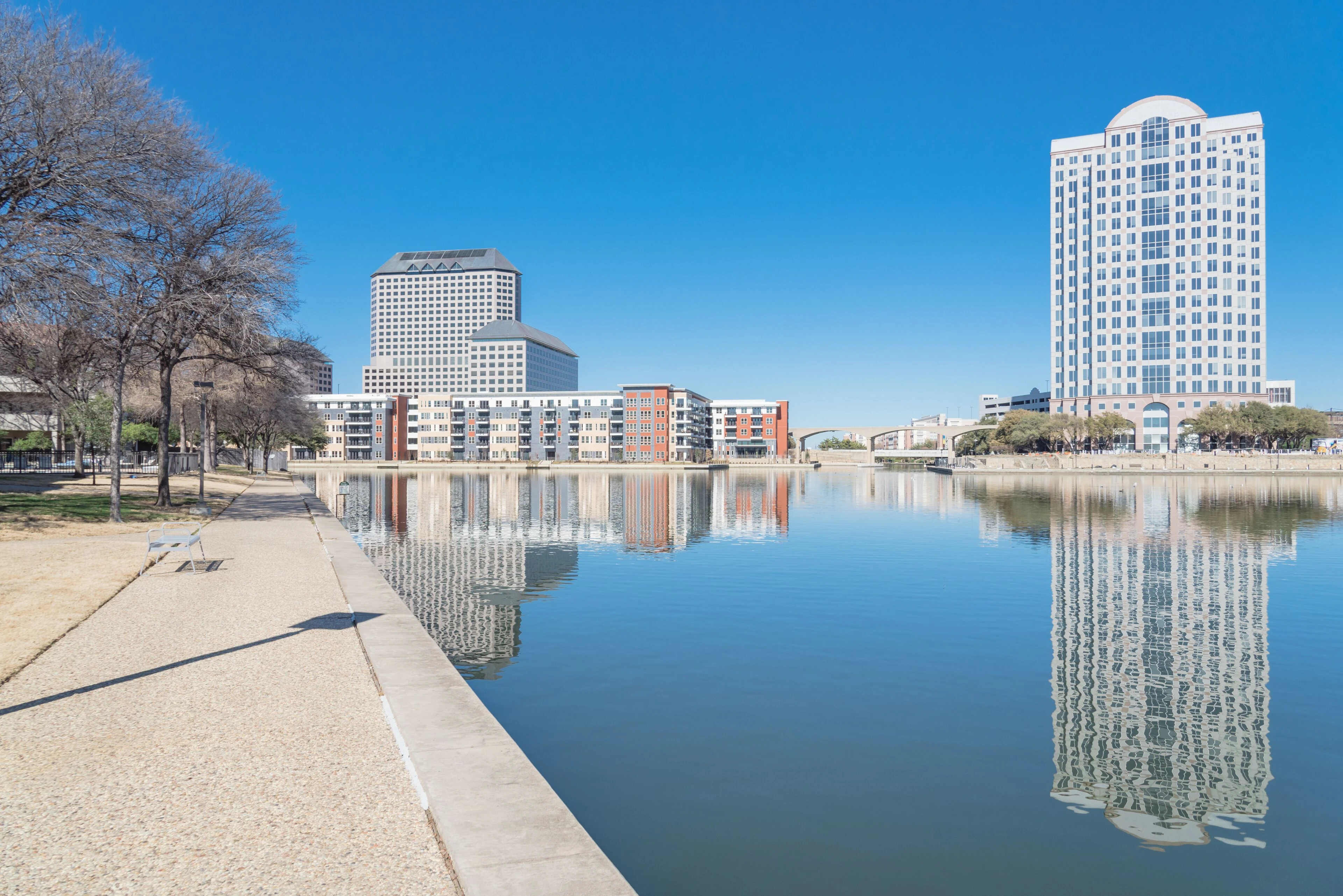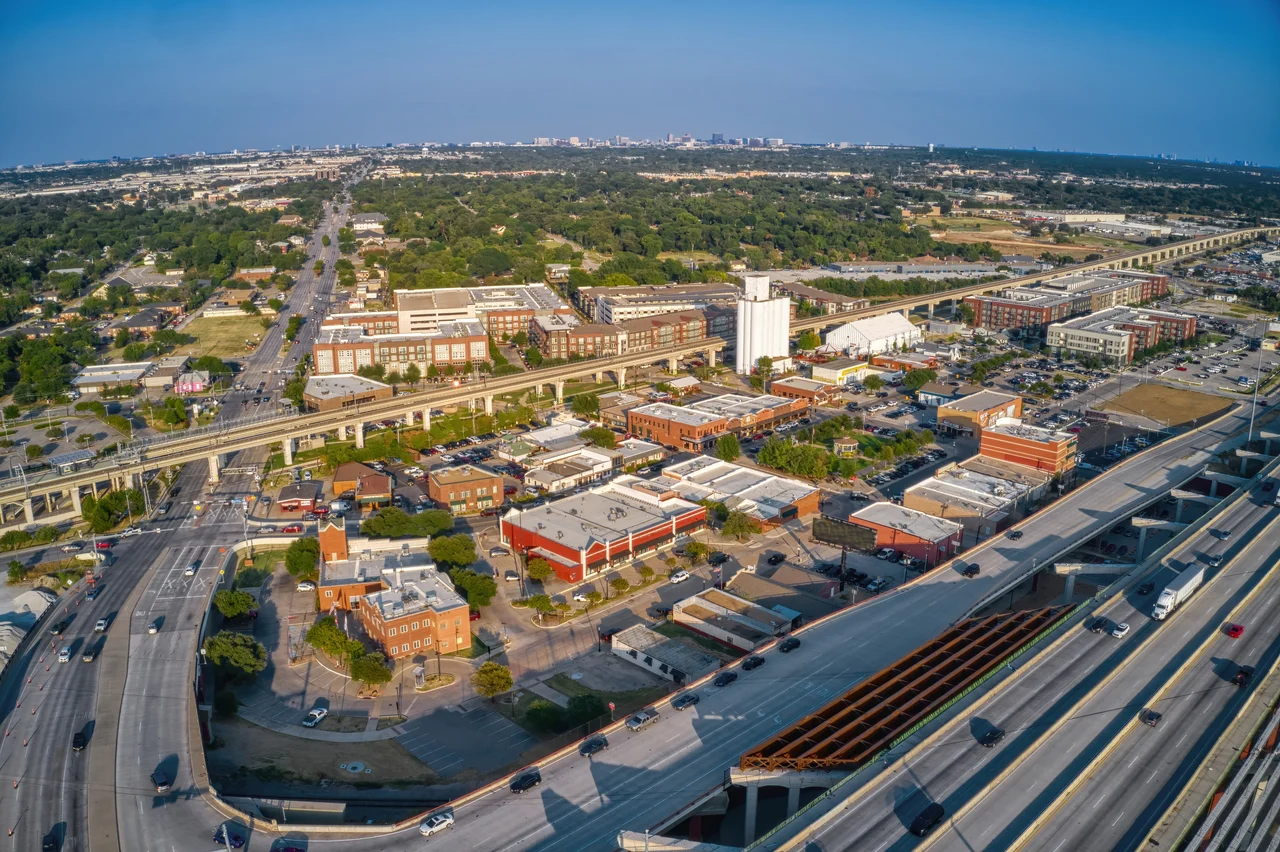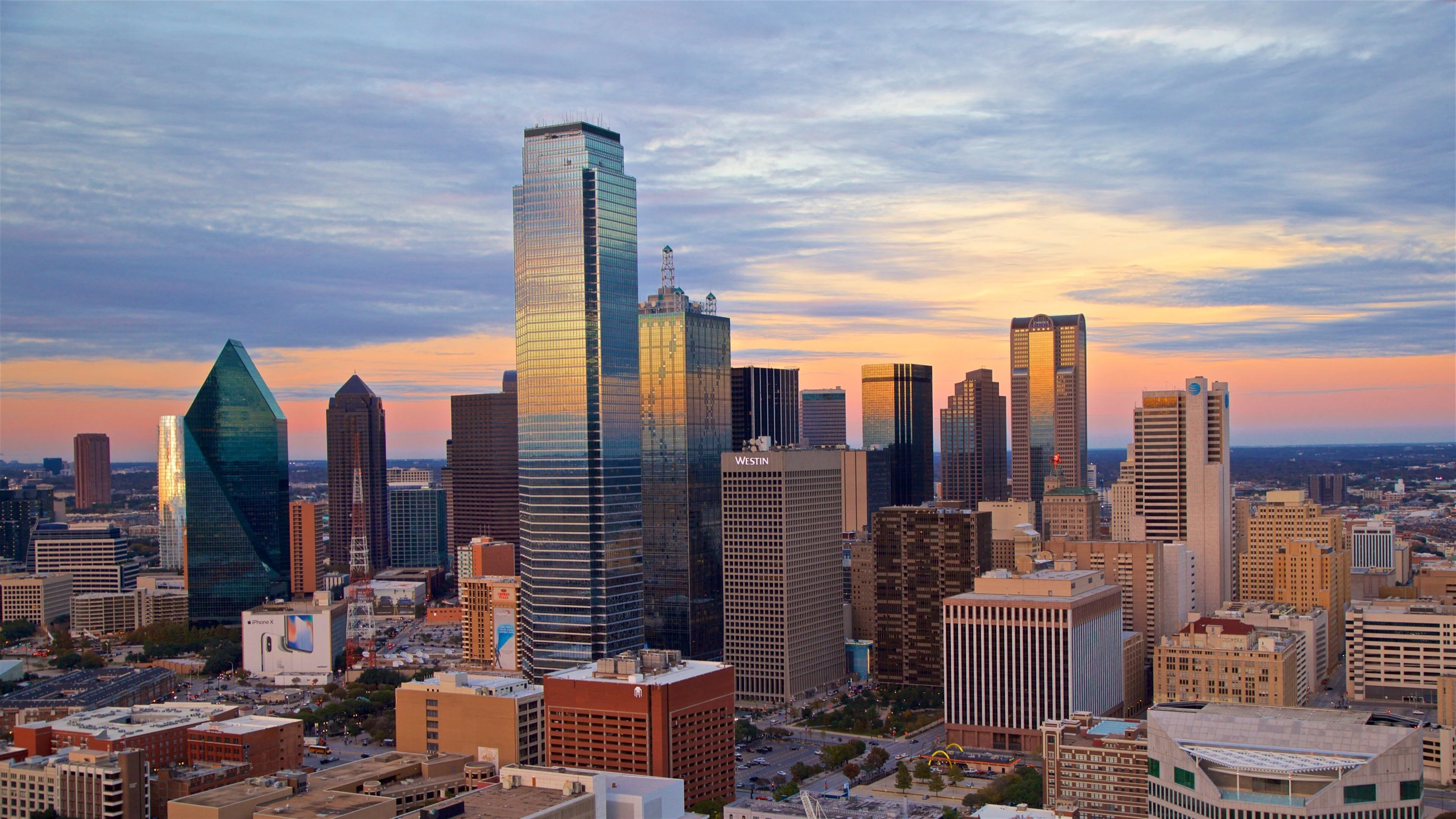
The Reunion Tower skyline, Fountain Place's glass pyramid, Bank of America Plaza, and the historic commercial buildings from the 1900s-1920s that survive between the towers. Downtown Dallas commercial roofing spans a century of construction and every roofing system ever installed in DFW.
Downtown Dallas commercial roofing is more varied than any other market segment we service. In a single block radius near Main Street and Commerce Street, you can find a 1906 masonry commercial building with coal-tar pitch BUR under three generations of modified bitumen patches sitting next to a 2015 mixed-use tower with the latest-generation TPO system and an active 20-year warranty. Our project managers have to be technically competent across a century of roofing system generations to work effectively in downtown Dallas.
The conversion-loft building category is one of the most challenging in our downtown portfolio. Buildings like the West End warehouses and the Deep Ellum conversion buildings were not designed as residential or mixed-use — they were designed as heavy commercial and light manufacturing, with roof systems that were never expected to be maintained to residential-tenant standards. When a 1920s warehouse becomes 40 residential loft units, the roofing expectations change entirely but the building's structural limitations do not. We scope these buildings with a clear understanding of what the structure can and cannot support.
The Reunion Tower observation dome, Fountain Place's 55-story glass tower, and the Bank of America Plaza tower are three of the most recognizable buildings in the Dallas skyline — and each of them carries complex roofing and waterproofing systems that are maintained by specialized institutional facility management teams. We do work in the orbit of these buildings: the mid-rise office and parking structure roofs adjacent to the towers, the historic commercial buildings that survived Dallas's urban renewal, and the retail and restaurant podium-level roofing that supports the tower bases.
The surviving commercial buildings from Dallas's pre-Depression buildout — mostly along Main Street, Elm Street, Commerce Street, and the adjacent east-west blocks — are the oldest commercial roofing work in our portfolio. Buildings from 1900-1929 typically have concrete or steel-framed construction (progressive for their era) with masonry parapet walls that have been through 80-90 years of seasonal clay movement, five or six generations of roofing recovery, and varying levels of maintenance.
Our pre-scope investigation protocol for downtown historic buildings goes further than our standard inspection. We core-drill the roof system to count and document each layer of historic roofing — the documentation has historic and legal value beyond the roofing project itself. We photograph the parapet condition from both the roof side and the street side (using a drone for upper parapet faces where roof access does not provide a clear view). We probe the structural deck for corrosion or deterioration before we propose a replacement cost.
Dallas Main Street district buildings that are on historic registers may require City of Dallas Historic Preservation Office review for exterior-visible roofing work — specifically parapet coping, edge metal, and any work visible from adjacent street level. We coordinate with the preservation office and with the building owner's preservation consultant before filing permits on these buildings.
The conversion-loft buildings in West End and Deep Ellum represent a roofing challenge that is specific to the adaptive-reuse wave that has been running through downtown Dallas since the early 2000s. These buildings — former cotton warehouses, produce markets, and light-manufacturing facilities from the 1920s-1940s — were converted to residential and mixed-use without always updating the roofing system to residential-maintenance standards. The result is frequently a roof that was adequate for a warehouse (where interior water damage was minor and quickly addressed) but is inadequate for residential loft units where a ceiling water stain generates an immediate complaint.
We do a significant volume of emergency-response and short-term repair work in the conversion-loft category — because the roof failures are noticed more quickly and reported more urgently when the interior finish is residential. But the right answer for most of these buildings is a planned replacement, not perpetual repair. We present condition reports to the building owners and HOAs that frame the repair-versus-replace decision in terms of cumulative repair cost versus replacement cost over a 5-year horizon — which typically makes the replacement decision clear.
Structural limitations on these buildings are important. Original wood-plank or concrete-plank decks in 1920s-40s commercial buildings may not support the load of additional insulation layers beyond what the existing system already carries. We pull structural drawings (or conduct a structural assessment if drawings are not available) before we specify a replacement stack on any conversion-loft building.