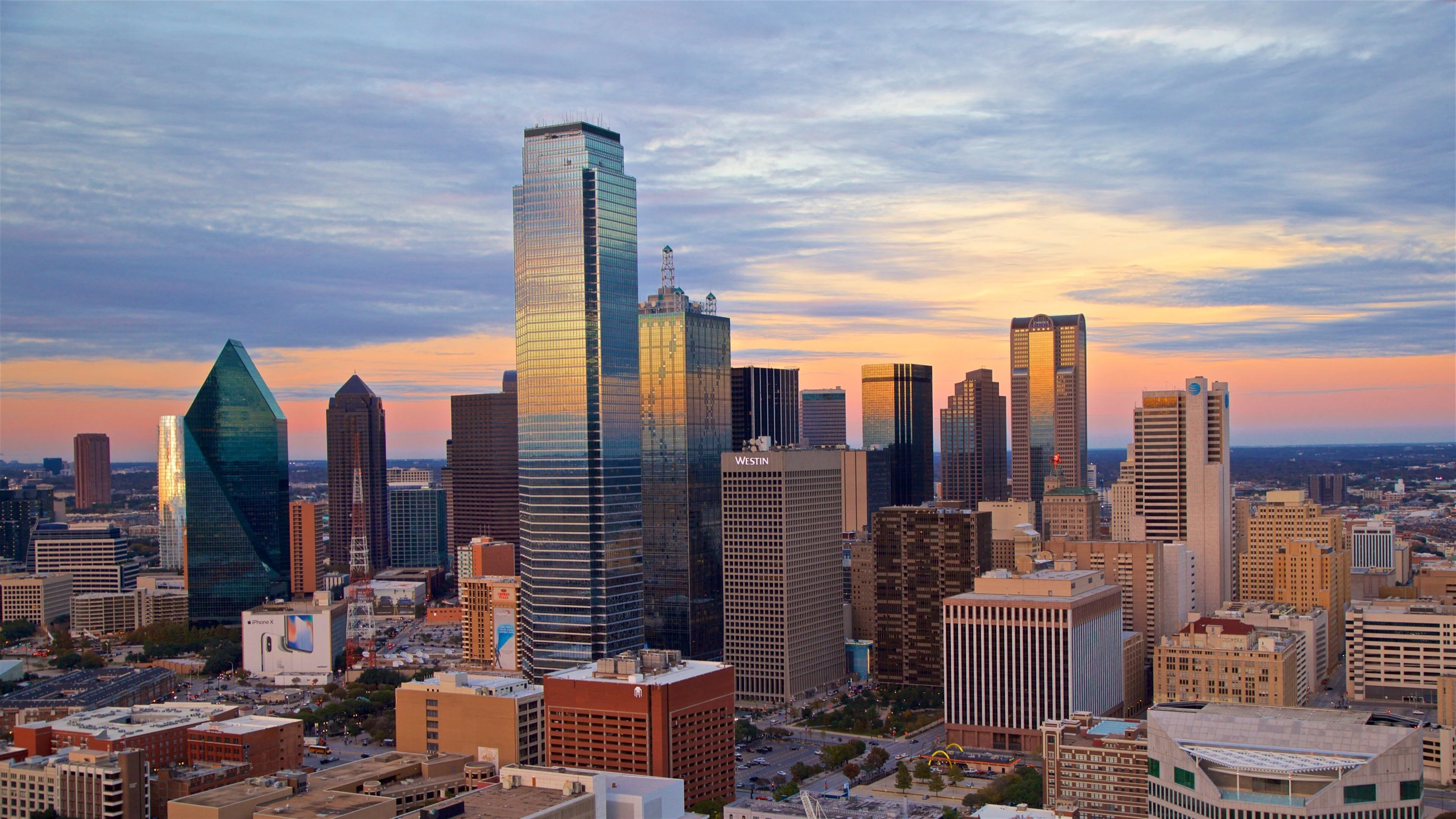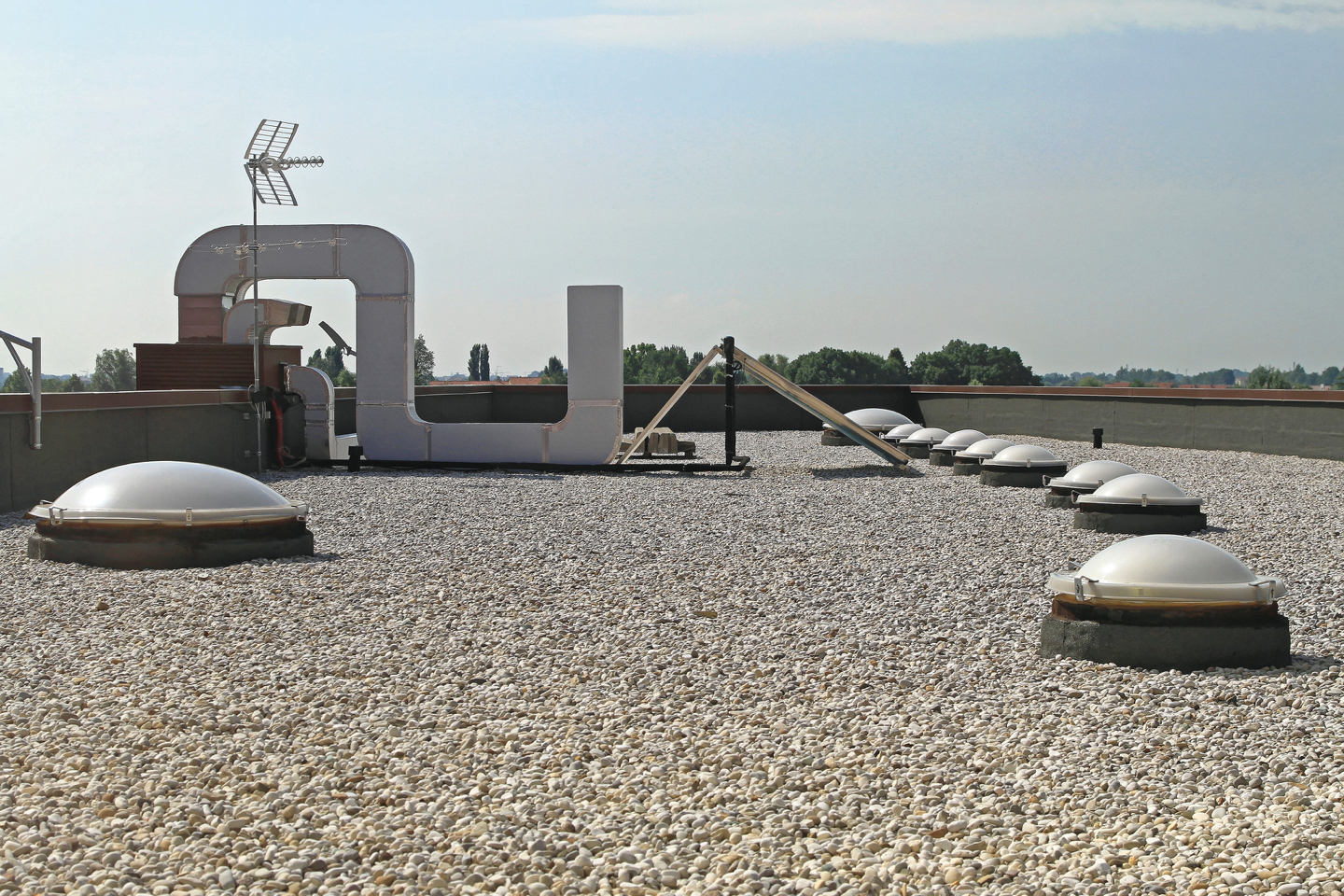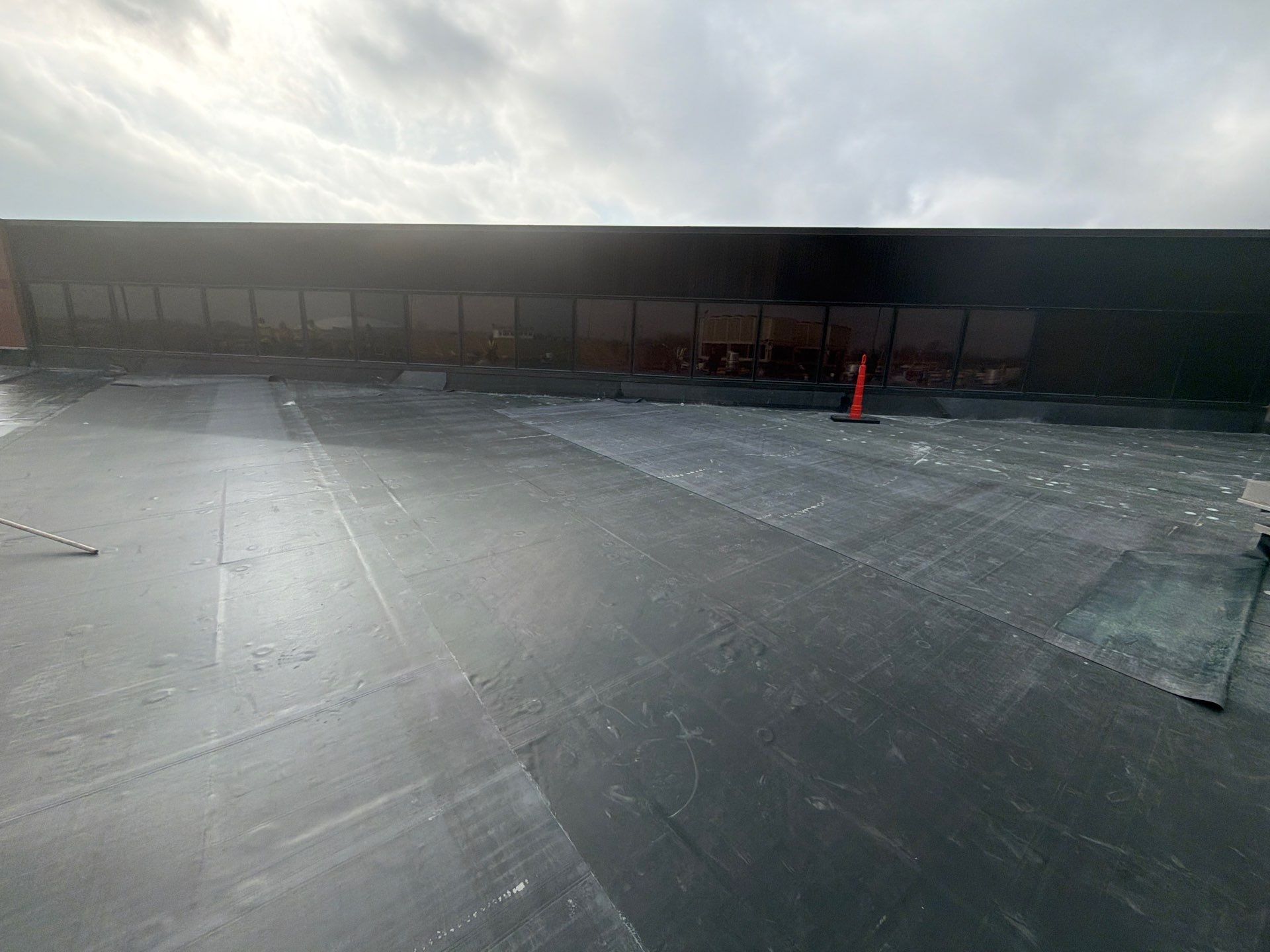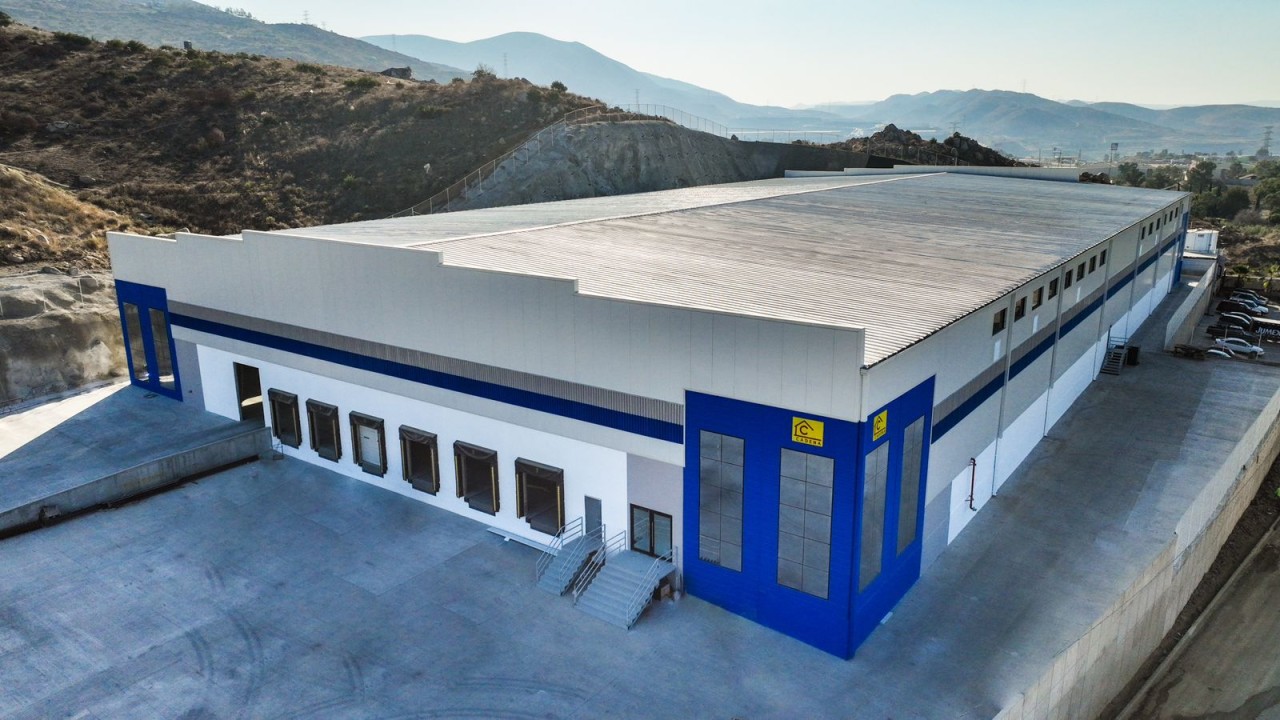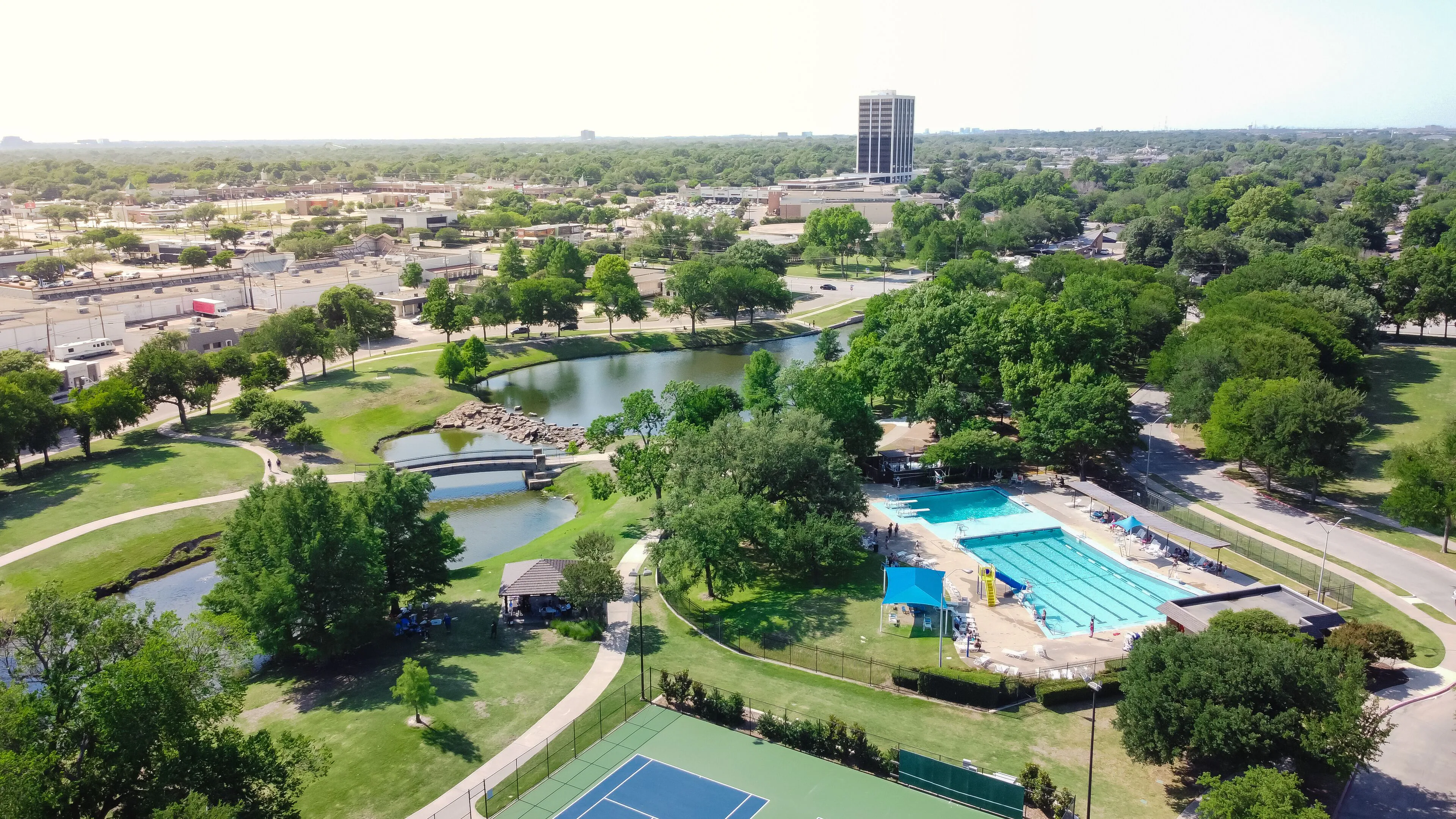
Richardson's Telecom Corridor has been the spine of North Texas technology infrastructure since the 1980s. AT&T, Cisco, Texas Instruments, and UT Dallas anchor a commercial and institutional inventory that spans 40 years of construction — from legacy R&D campuses to current-decade data centers.
Richardson earned the Telecom Corridor designation in the 1980s because of the concentration of telecommunications research and manufacturing facilities that clustered along US-. Ericsson, Nokia (then Nortel), Texas Instruments, Fujitsu, and later Cisco and AT&T built significant R&D and operations campuses along this corridor that are still the backbone of Richardson's commercial identity today. The buildings that came out of the 1985 to 2000 wave of Telecom Corridor construction are running 25 to 40 year old roofing systems — most of them in replacement territory or approaching it.
The University of Texas at Dallas, which sits at the northern end of Richardson off Campbell Road, has grown from a graduate-only research institution into a full university with over 30,000 students and a campus footprint that has expanded significantly since the early 2000s. UTD's facilities represent a significant institutional roofing market with state procurement requirements and a long-term capital planning cycle.
Richardson's data center buildout is a more recent development — the availability of fiber infrastructure along the Telecom Corridor has attracted colocation data center operators who have built or converted buildings along US- into mission-critical facilities. Data center roofing has specific requirements: no hot work within data halls, precision penetration sealing, and scheduling that avoids any weather exposure to the building during production.
Telecom Corridor (US-75 / Campbell Rd to Spring Valley Rd): The original technology campus corridor. Legacy R&D buildings from the 1980s and 1990s on modified bitumen and early-generation TPO — many in replacement territory. Cisco's Richardson campus, AT&T's network operations facilities, and the Texas Instruments R&D buildings anchor this corridor and represent some of the most technically demanding roofing scopes in the metro: large, occupied, mission-critical buildings where any weather exposure is unacceptable.
UT Dallas campus (Campbell Rd / University Dr): Institutional buildings from the 1970s through the current decade. State procurement process applies — projects go through competitive bidding with defined scope specifications and documentation requirements. UTD's facilities team is sophisticated and expects detailed pre-construction documentation, progress reporting, and closeout packages that match the state's capital project requirements.
Data center corridor (US-75 / Renner Rd / Campbell Rd area): Mission-critical facilities from 2010 through today. Some are new construction, some are converted Telecom Corridor buildings. Data center roofing requires no-hot-work protocols above data halls, vapor containment during any tear-off near occupied data halls, and mechanical penetrations sealed to dust-intrusion standards that standard commercial roofing doesn't require.
Spring Valley Rd / Greenville Ave retail and office corridor: Neighborhood commercial buildings from the 1980s through the 2000s. Mixed retail, office, and service commercial in active replacement and maintenance cycles. Smaller footprints and simpler scope than the corporate campus work, but consistent replacement volume.
Richardson sits on the Blackland Prairie, fully east of the Cross Timbers transition — the same reactive-clay geology that drives roofing problems across east Dallas County. The Telecom Corridor campus buildings, most of which have been on their sites for 30 to 40 years, have experienced the full range of Blackland clay seasonal movement. We see more drain misalignment and parapet flashing fatigue on Richardson corporate campus buildings than almost anywhere else in the metro — partly because of the soil, and partly because the original flashing details on 1980s R&D buildings weren't designed for the movement range we now know the soil produces.
US-75 runs north-south through Richardson, and the spring storm track that comes out of the Panhandle and tracks southeast follows a similar alignment. Richardson gets impacted by hail events that start in Collin County and intensify before reaching Dallas County — the corridor with 2-inch documented hail. The Telecom Corridor buildings are particularly exposed because many of them have large, flat, unscreened roof areas that offer no deflection of incoming hail.