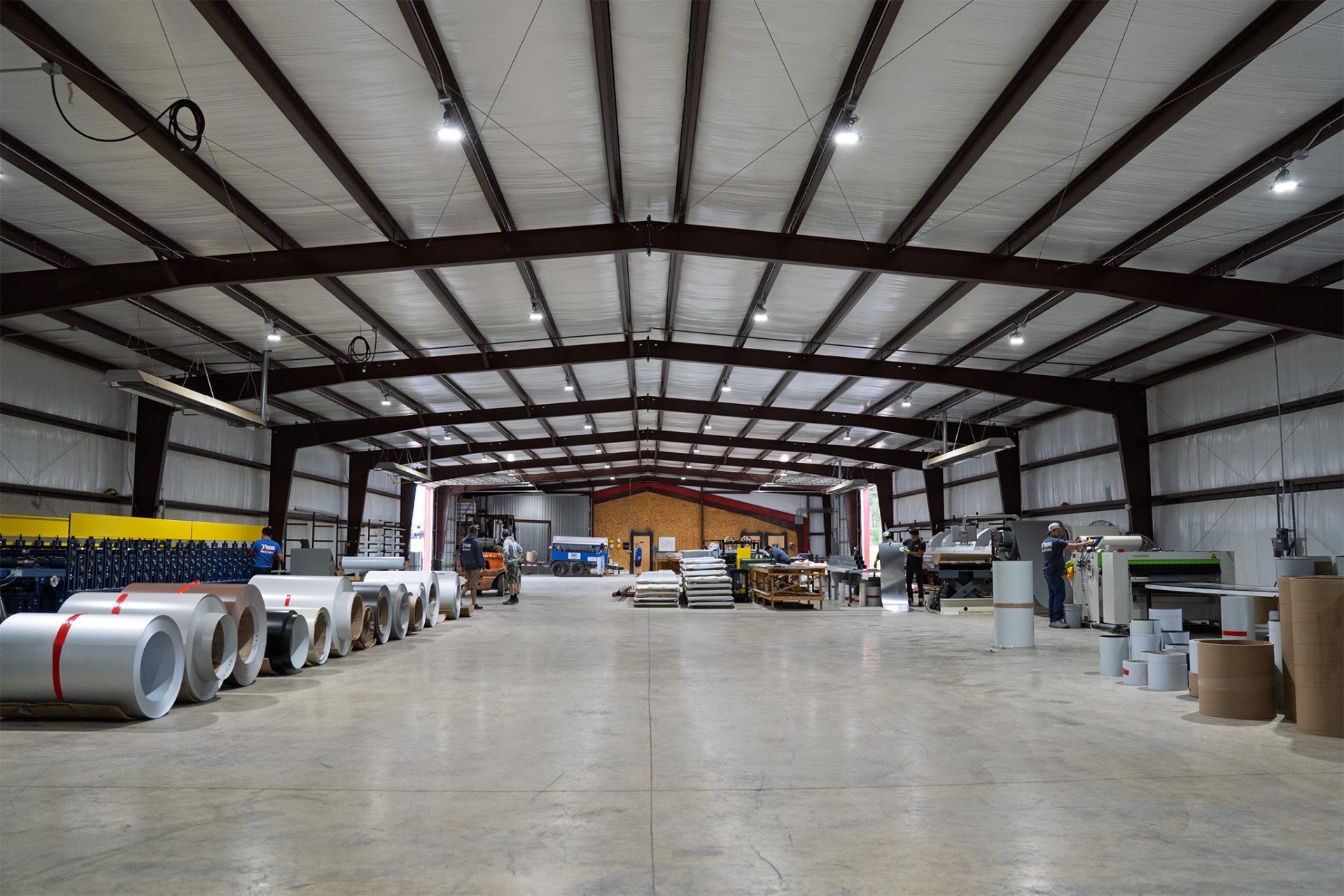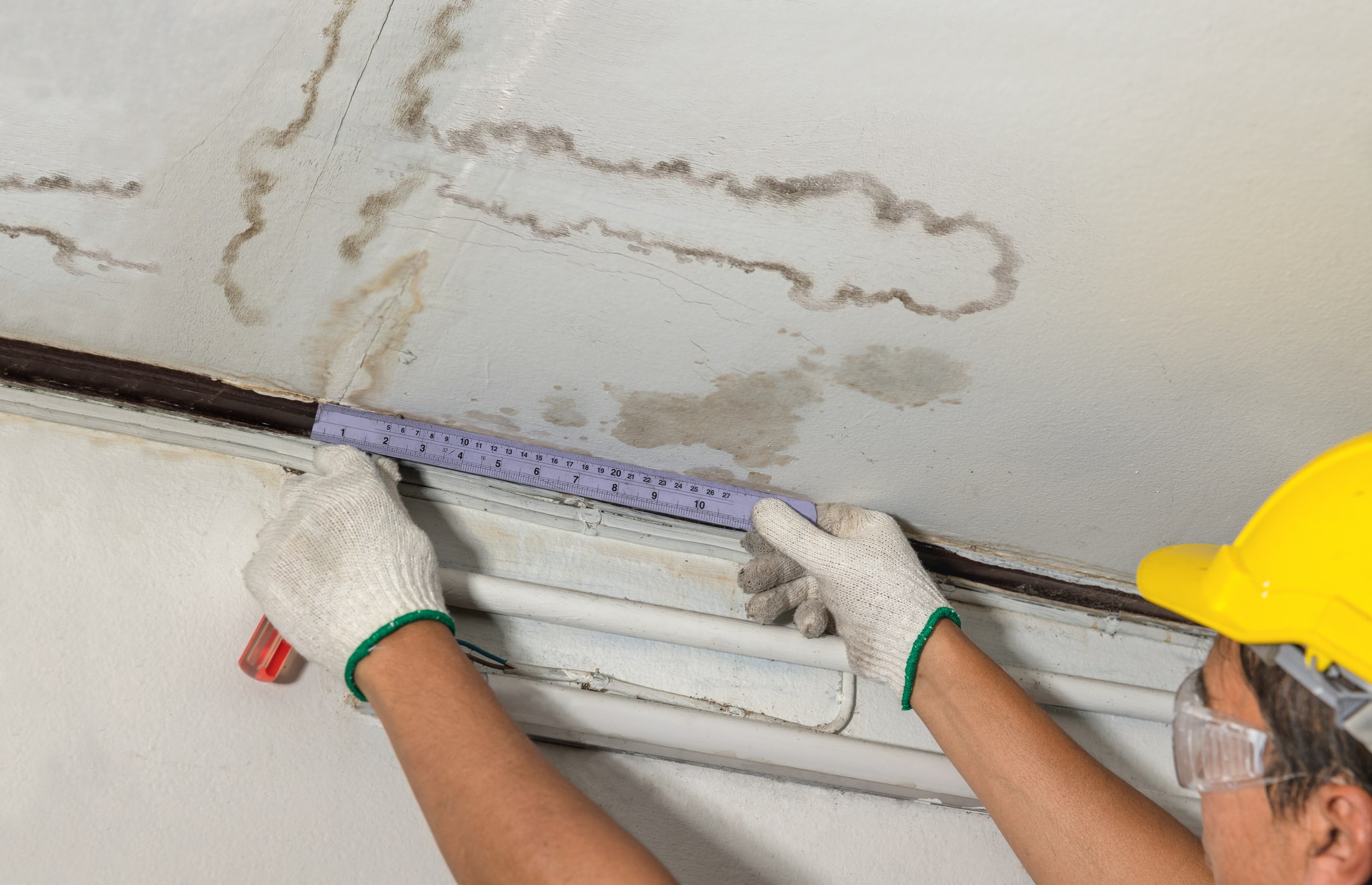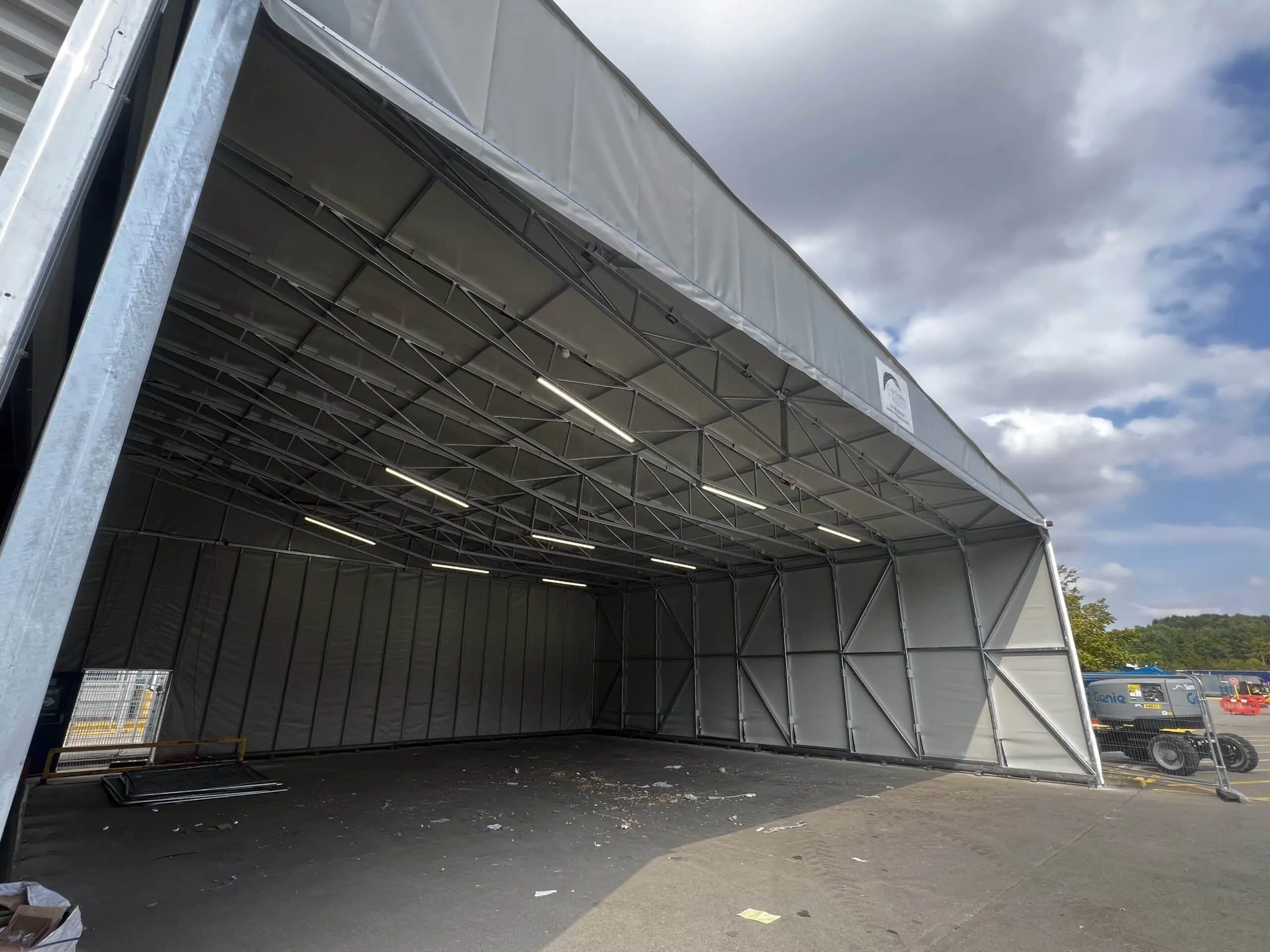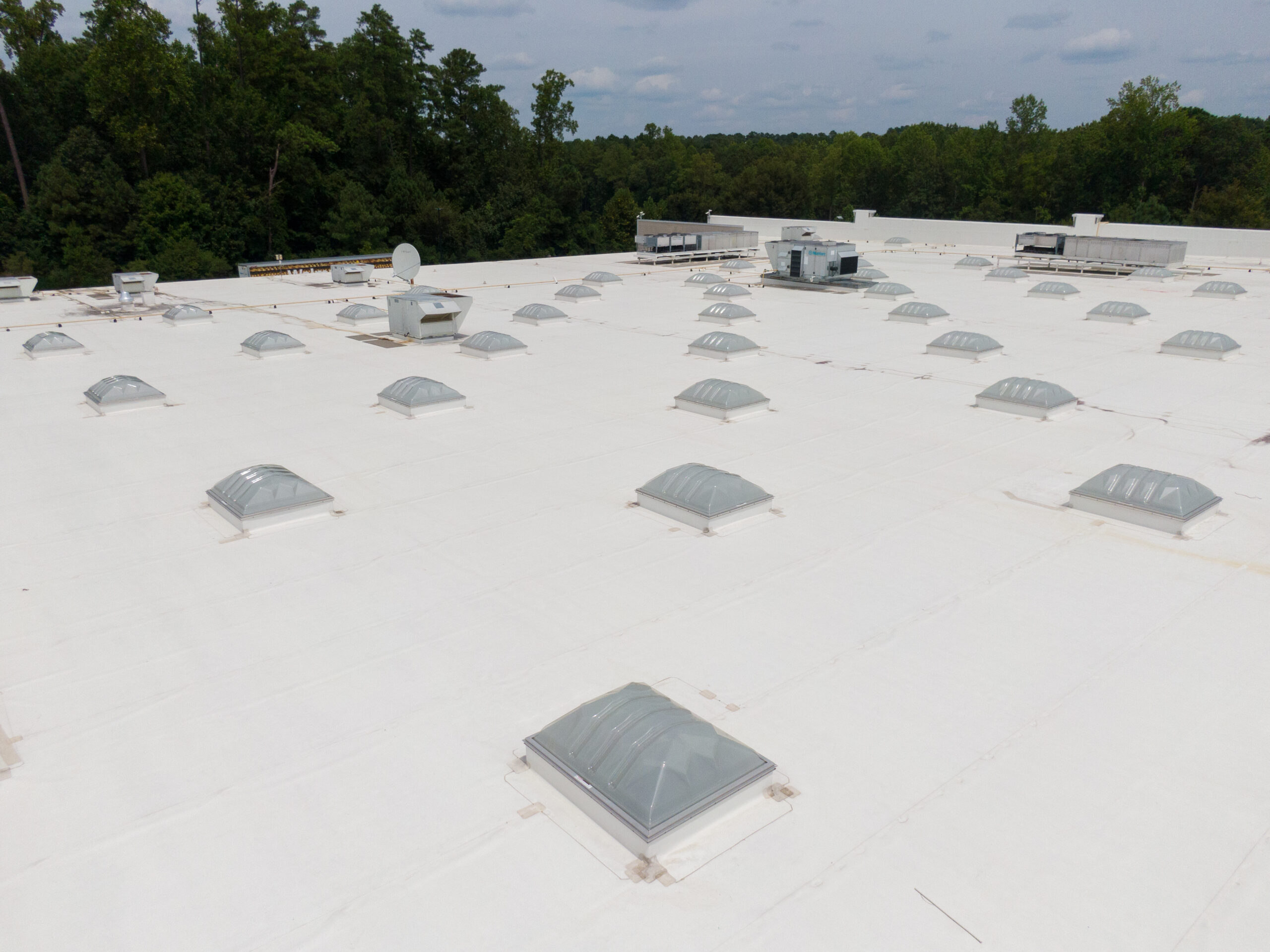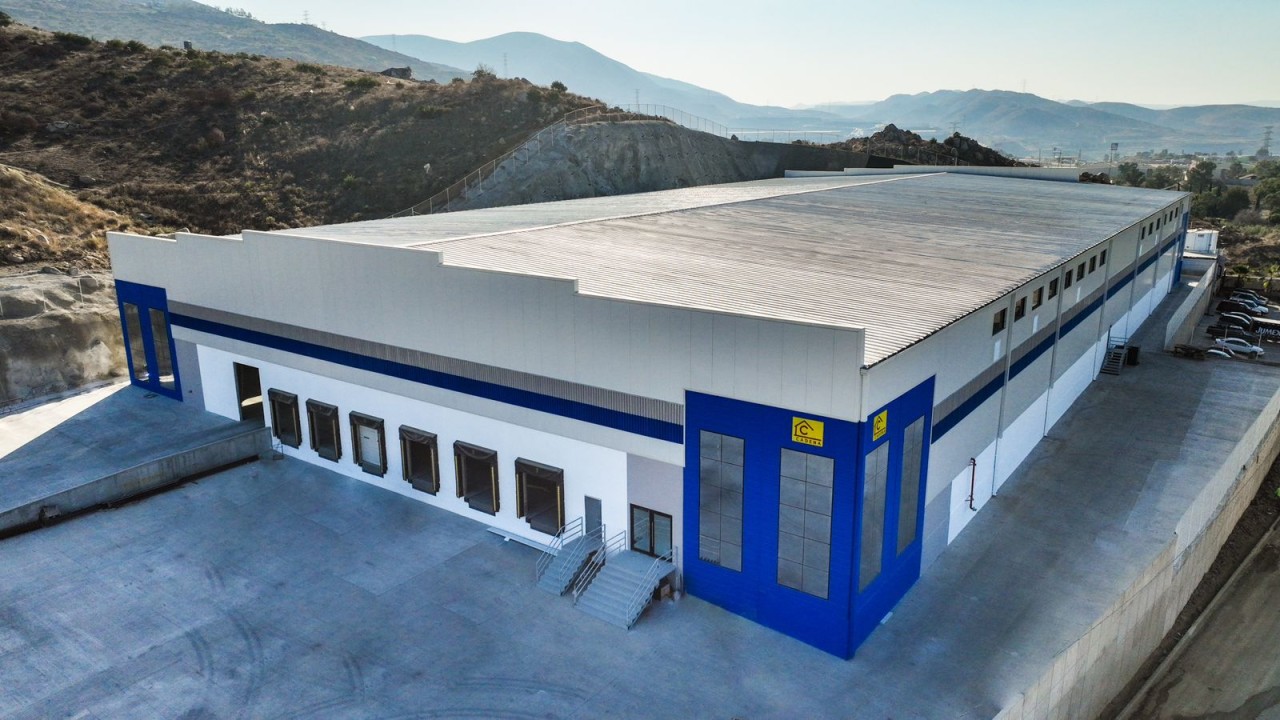
Industrial Roofing for manufacturing facilities, warehouses, and industrial buildings throughout Dallas area.
Industrial roofing in DFW Metroplex is a market shaped by scale — the sheer scale of the logistics infrastructure, the scale of the buildings, and the scale of the weather events that test those buildings every year. DFW Airport, the world's third busiest by passenger volume and one of the top cargo airports on the continent, anchors an industrial ecosystem that extends along every major interstate corridor in the metroplex. The I-35E, I-20, and I-30 distribution corridors create a logistics network that serves the entire South-Central United States, and the industrial roofing work that flows from that network — new construction, restoration, maintenance, and emergency response — is continuous and demanding. We've built our practice around delivering the quality and reliability that this market requires.
The South Dallas/Wilmer-Hutchins distribution corridor along I-20 and I-45 South has become one of the most active industrial development zones in the country. Amazon's mega-fulfillment centers, Target's regional distribution complex, Niagara Bottling, and dozens of other major distribution operators have chosen South Dallas for its interstate access, land availability, and proximity to the DFW freight ecosystem. Buildings of 1 million to 3 million square feet are now routine in this corridor, and the roofing work on those buildings requires project management at a scale that not every contractor in this market is equipped to handle. We staff large-scale projects with dedicated on-site project management, large crews, and material logistics plans that match the building's scale.
Alliance Corridor on the Fort Worth side of the metroplex is a distinct industrial ecosystem with its own character. The Alliance freight airport, the BNSF intermodal facility, and the major distribution operations that cluster around them create a logistics-focused industrial zone that has been a consistently growing source of roofing work for over two decades. The buildings in Alliance are generally newer, better-maintained, and managed to institutional standards by the REIT and corporate owners who built them. We work with several of those owners on master service agreement terms that cover multiple Alliance buildings in a coordinated maintenance and capital planning program.
DFW Airport itself — the cargo ramps, airline maintenance facilities, airline operations centers, and logistics buildings on the airport property — represents a specialized category of roofing work with its own access requirements and operational sensitivities. Work on airport property requires coordination with the airport authority, adherence to specific contractor certification requirements, and scheduling that accounts for the intense activity of one of the world's busiest airports. We hold the necessary certifications and have worked on airport-property buildings enough times that the coordination requirements are routine for us. The buildings on DFW property range from major airline maintenance hangars — some of the largest roofed structures in Texas — to smaller operations and cargo buildings.
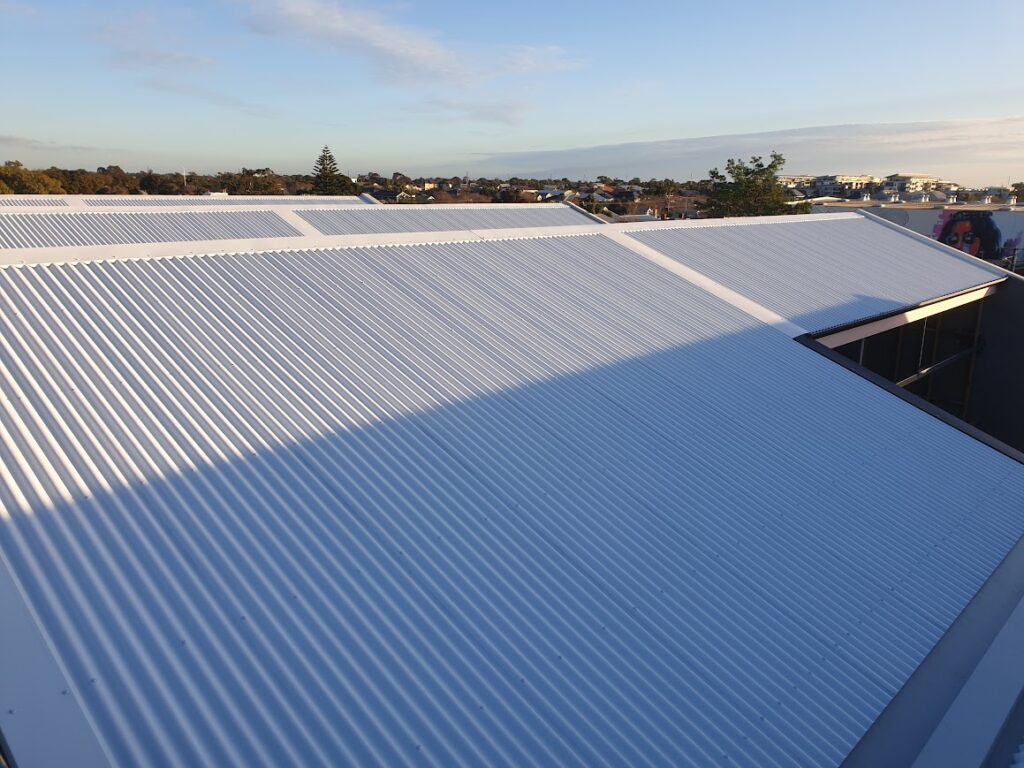
Dallas summer heat is the primary weather challenge for industrial roofing in this market. Temperatures above 100°F are routine in July and August, and rooftop surface temperatures on dark or medium-colored membranes can exceed 170–180°F during peak afternoon hours. That surface temperature drives membrane aging through UV oxidation and thermal cycling, and it's the primary reason we specify white or light-colored membranes and reflective coatings on Dallas industrial roofs as a standard practice rather than an optional upgrade. The energy savings from a reflective roofing system in a Dallas climate are significant — rooftop surface temperature reduction of 50–70°F translates directly to reduced cooling load on rooftop HVAC units that are already working at the top of their capacity on peak summer days.
Winter ice storms are the Dallas weather event that catches the most building owners off guard. The 2021 winter storm demonstrated definitively that DFW-area industrial buildings were not universally prepared for the combination of ice accumulation, power outages, and rapid temperature changes that accompanied that event. Ice storms create roofing failures through a specific mechanism: ice accumulates in drains and scuppers, blocking drainage. Rain or melt-water that can't drain ponds on the roof surface. When temperatures drop again, that ponded water freezes as a solid mass and its expansion can force water under flashings and membrane laps. We now include ice-storm preparation as a required component of every fall maintenance visit for our Dallas industrial clients — heated drain inserts, scupper inspection, and flashing integrity confirmation before November.
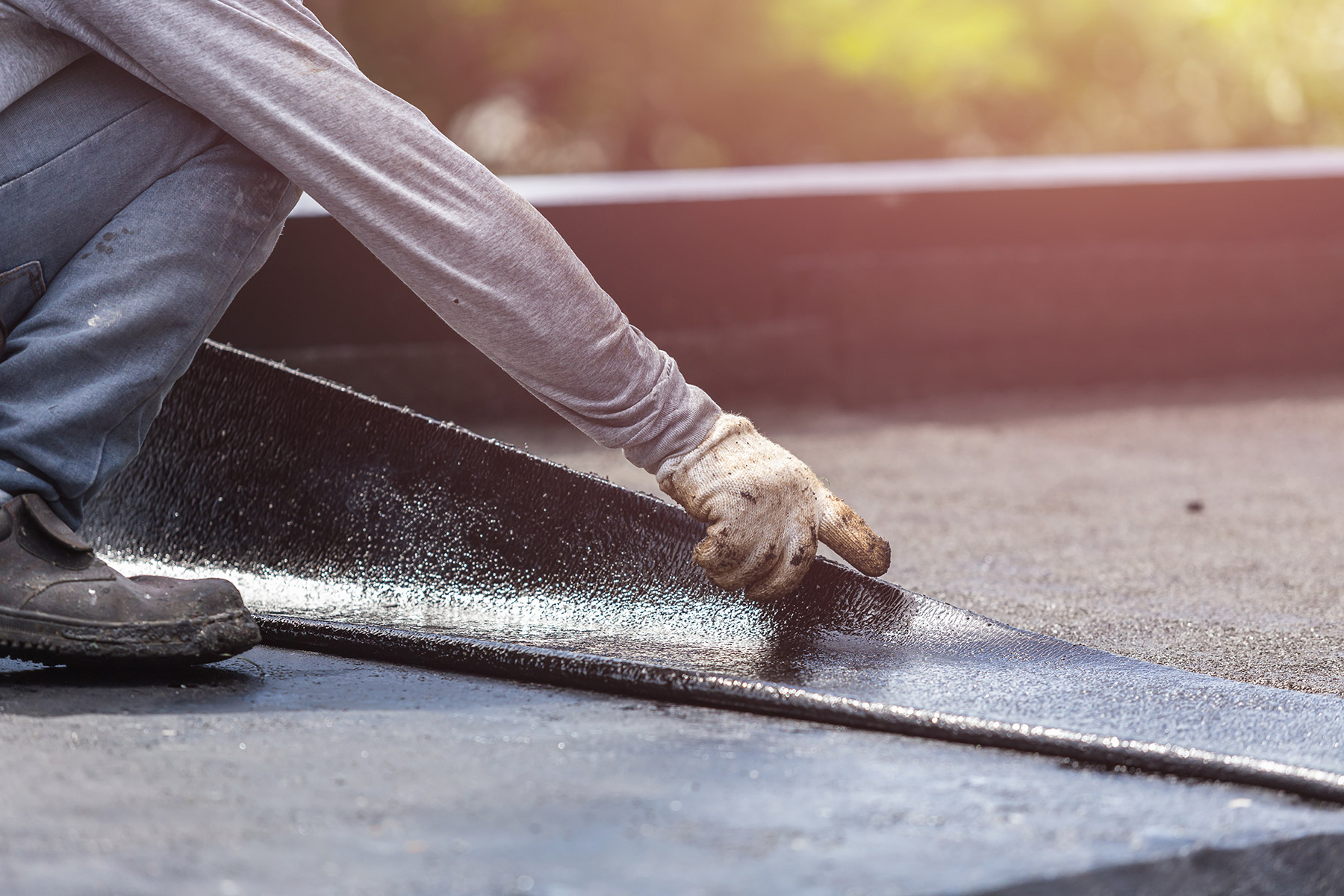
For new industrial construction in DFW, our standard specification for large-bay distribution buildings is 60-mil TPO in white or light gray, mechanically attached with FM-rated wind uplift assemblies in field zones and enhanced fastening patterns in perimeter and corner zones. For buildings with specific requirements — food processing facilities, pharmaceutical distribution, cold storage buildings with unique vapor management needs — we adjust the specification to address those requirements specifically. Cold storage roofing in particular requires careful vapor retarder placement and condensation management that distinguishes it from standard ambient-condition warehouses, and the Dallas metro has a significant cold storage industrial sector driven by the city's size and food distribution role.
Roof maintenance in Dallas's industrial market focuses on two primary seasonal concerns: the summer UV and heat season, and the brief but potentially severe winter period. We recommend pre-summer inspection in April to confirm that any winter events haven't created flashing or drainage issues, and fall inspection in October to prepare for the winter ice-storm season. On roofs with membrane systems older than 10 years, we add a mid-summer condition check focused specifically on seam integrity and flashing adhesion in the extreme heat, because the thermal cycling from a Texas summer accelerates wear at those locations in ways that a single annual inspection may not capture in time to prevent a failure.
The DFW industrial market's scale demands a roofing contractor who is organized, well-capitalized, and capable of operating on the same level as the institutional developers, REITs, and corporate users who drive this market. We've built the project management systems, crew capacity, and quality control infrastructure to work at that level. From a single-building industrial owner in the I-30 corridor to a multi-building portfolio manager with assets across the metroplex, the standard of service we deliver is the same — and it's the standard this market demands.