The installation is the shortest part of a commercial roof replacement. Pre-construction planning — permits, mobilization, tenant notification, crane staging — and a complete closeout package are what separate a replacement that holds up from one that creates problems for the next five years.
We treat pre-construction planning and closeout documentation as non-negotiable components of every replacement project — not value-added extras. These are the pieces that determine whether the manufacturer warranty is valid when the owner needs it, whether the building's next facility manager understands what system is on the roof, and whether the project created goodwill or friction with the tenants who work inside the building.
Dallas adds specific complexity to replacement planning that buildings in smaller markets do not face: City of Dallas permitting timelines are longer than suburban municipalities (Plano and Frisco typically run 5-7 business days; Dallas proper can run 10-15 business days for commercial permits during peak construction periods). The Harwood District, West End, and Victory Park corridors have crane staging and street-closure requirements that need neighborhood services coordination. Buildings adjacent to DART light rail lines have height and equipment restrictions on tower crane use.
Permits: We pull the building permit with the correct jurisdiction before crews mobilize — this is not optional and it is not negotiable on the timeline. For City of Dallas buildings we submit the permit application with the full construction document package (system specification, product data, fastener pattern calculation, energy code compliance documentation) at contract signing. We account for the full permit review timeline in the project schedule — if a permit takes 12 business days to issue, the project schedule reflects that, not an optimistic 5-day assumption.
Mobilization plan: We produce a written mobilization plan that covers material delivery staging (where does the membrane roll goods land, where does the insulation stack), crane or hoist location and stabilizer/outrigger pad requirements, dumpster placement and permit (City of Dallas requires a dumpster permit for on-street placement; most downtown and Uptown buildings need this), and parking displacement for the building's tenants. On parking-sensitive projects — multitenant office buildings in the Harwood District or Turtle Creek corridor — we coordinate temporary parking with a nearby garage before contracts are signed.
Tenant notification: We draft the tenant notification letter and distribute it through the building's property management team at least 14 days before start. The letter specifies: production start date, expected duration, what tenants will experience (noise, crane presence, material handling above their space), how emergency access will be maintained, and a contact name and number for tenant concerns. We do a second notification 48 hours before start and a same-day notification on days where production sequence moves to a new building zone.
Production sequencing on a Dallas commercial replacement follows a section-management approach: we tear off and dry-in each section on the same day, so the building's interior is never exposed to an overnight or weekend rain event. Section size is set by the crew's realistic same-day production capacity — typically 5,000-10,000 sq ft per day on a standard flat-roof replacement, less if deck replacement or complex flashing areas are in the zone.
Dallas summer scheduling: we schedule tear-off and membrane installation in the early morning window (5:30 AM - 1:00 PM) during June through September. This is not a preference — it is a quality control requirement. TPO hot-air welds begin to fail consistency when the substrate temperature exceeds 130°F, which Dallas dark-substrate roofs reach by 11:00 AM on clear summer days. EPDM bonding adhesive application is similarly temperature-sensitive.
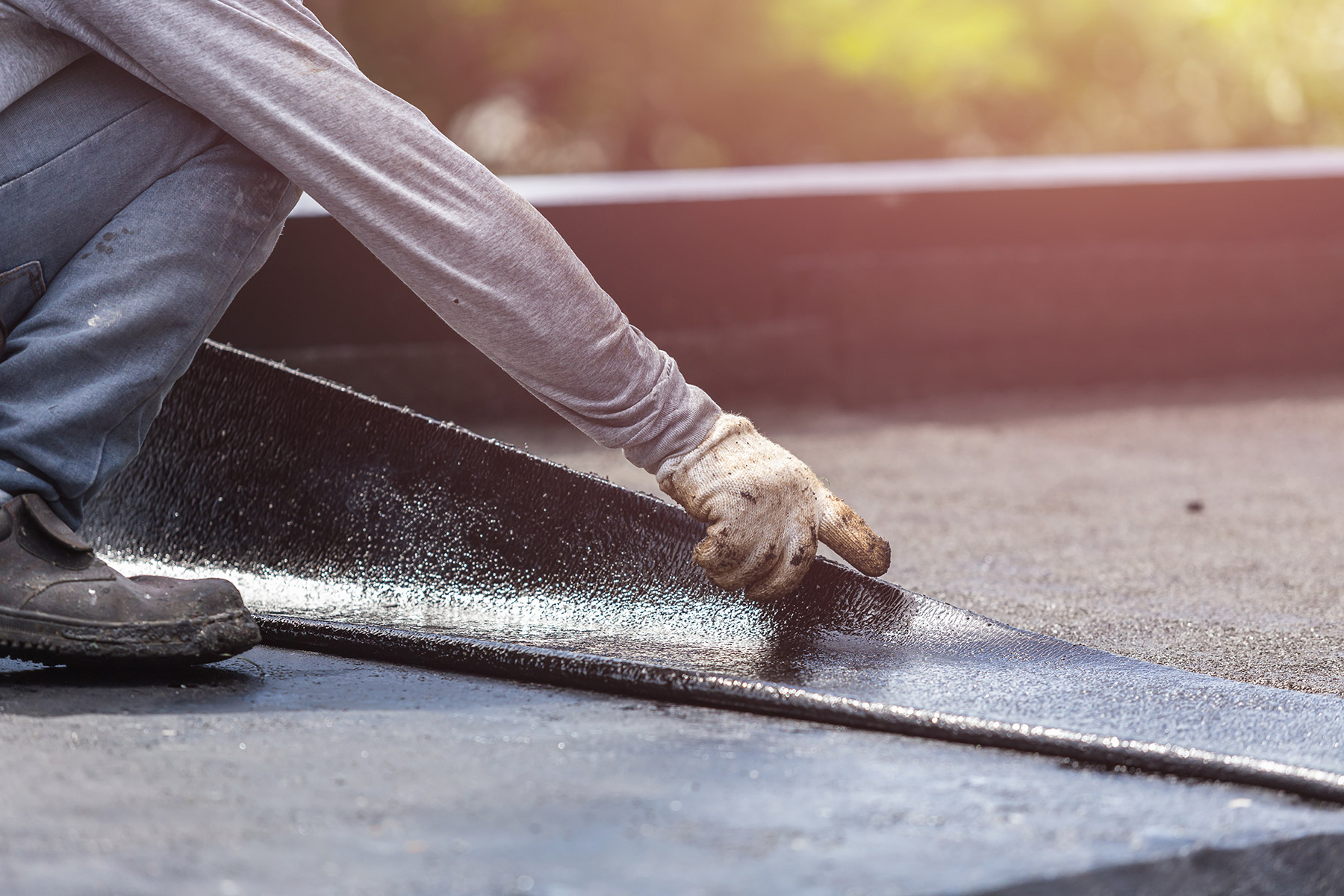
Hot-work permit and fire watch: any torched modified bitumen application — the only open-flame work in our standard commercial scope — requires a hot-work permit from the building's fire marshal and a 30-minute fire watch after every torch session. We schedule these with the building's facility contact before the project begins, not at the start of the work day. Buildings in the Main Street area and the Dallas Arts District with adjacent occupied properties have fire watch requirements that go beyond the standard 30 minutes.
The closeout package is the project's permanent record. It is what the manufacturer's warranty inspector looks at 5 years from now when there is a claim, what the building's next owner's due diligence team reviews when they acquire the property, and what the facility manager's successor uses to understand what system is on the roof.