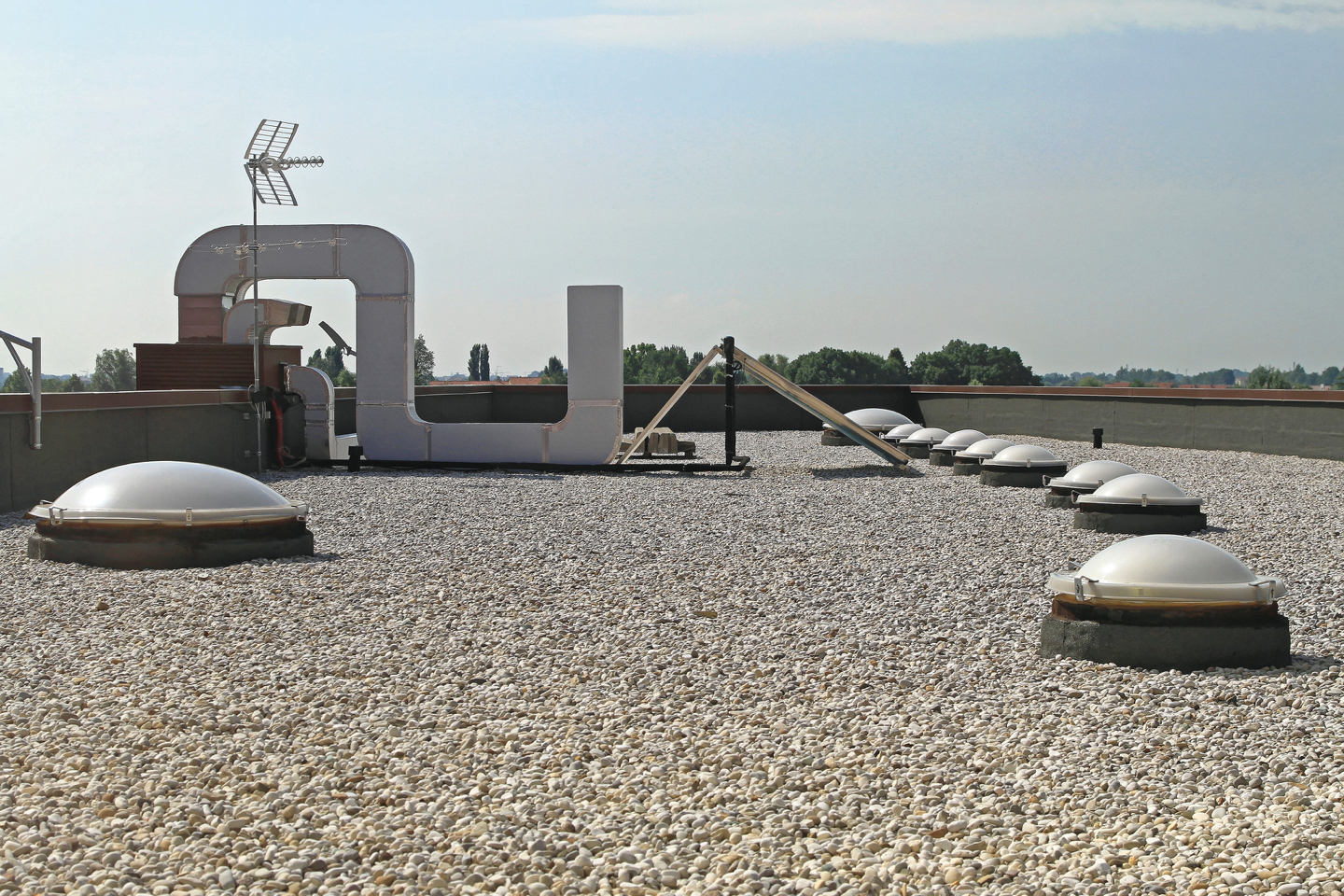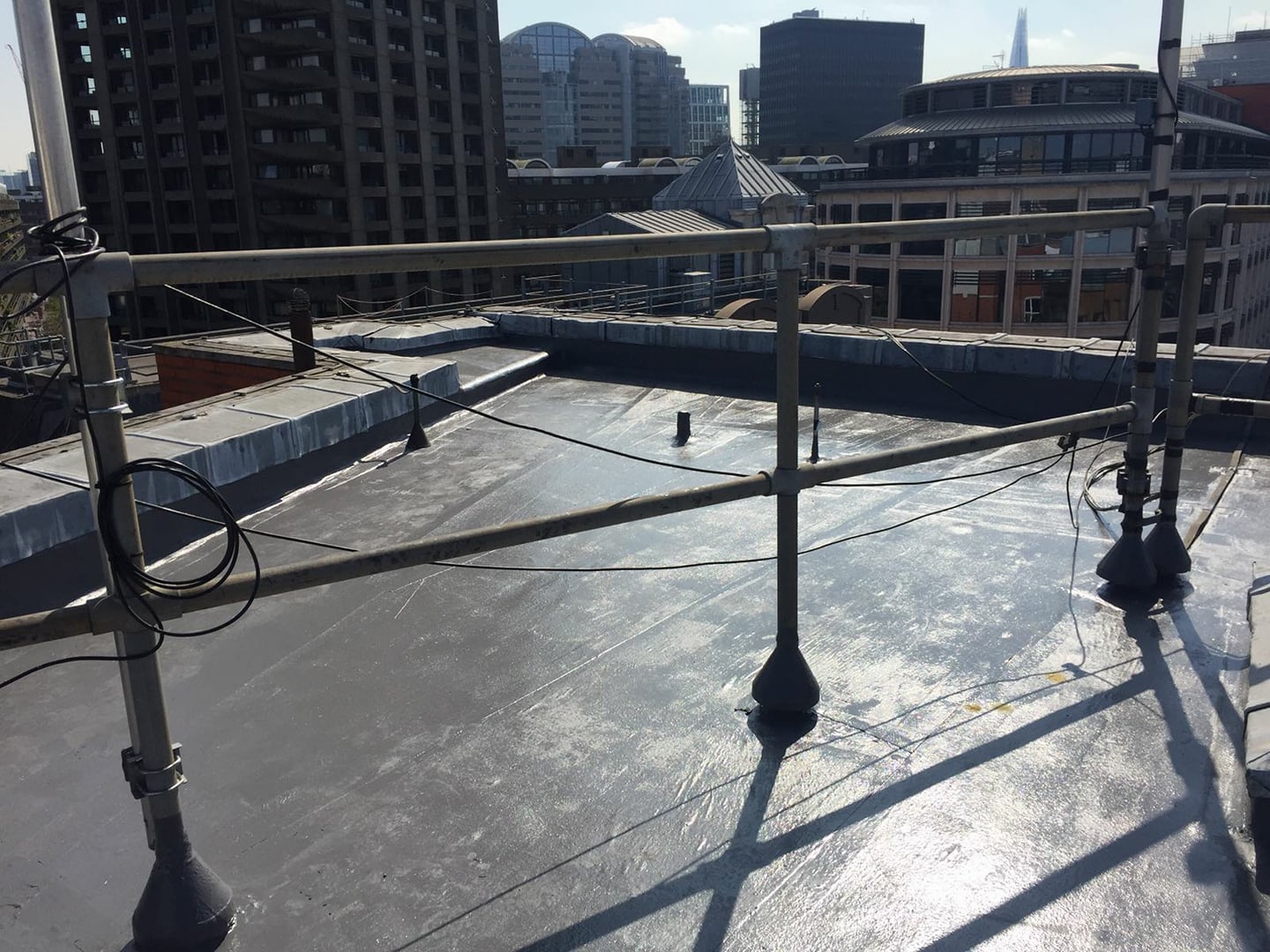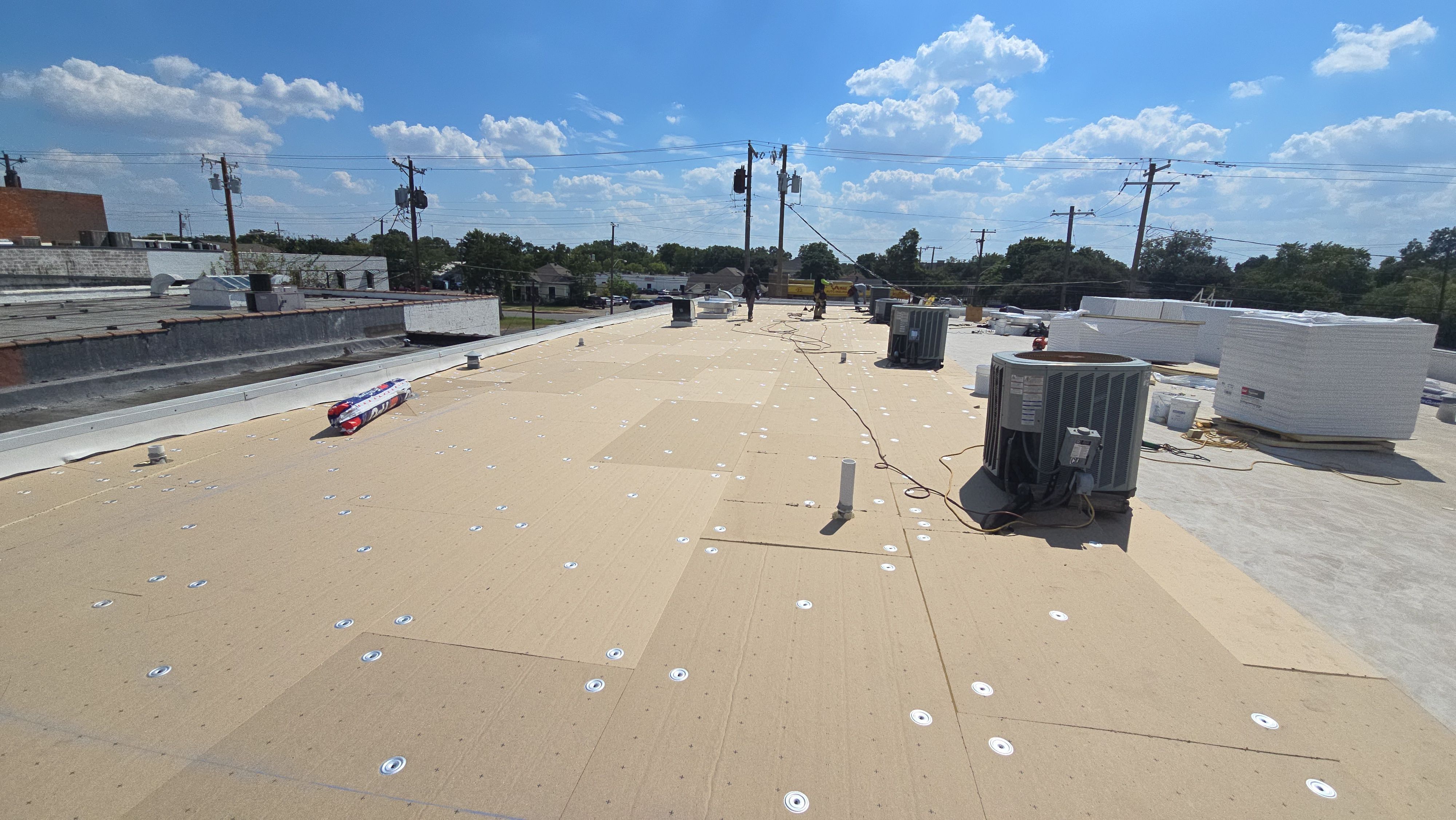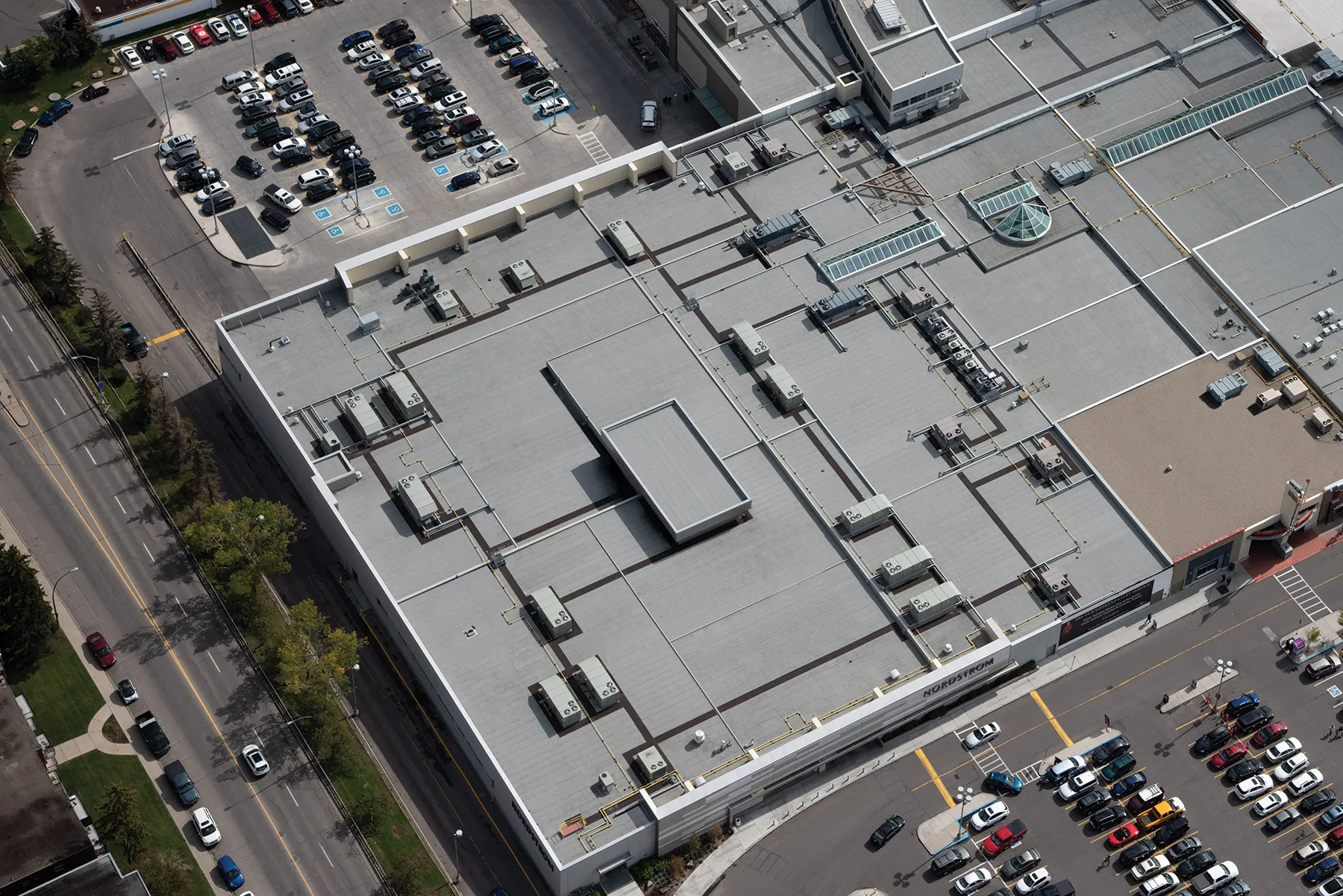
A commercial solar installation fails at the roof if the membrane, deck, and penetration management are not right before the PV contractor shows up. Las Colinas office towers, Stemmons corridor warehouses, and the large-footprint distribution centers at the Dallas Logistics Hub in Hutchins are all properties where building owners are pursuing photovoltaic installations — and where the roofing substrate work has to be done correctly first. We scope and execute the roof side of that project: membrane selection, structural load assessment coordination, penetration management, and the documentation trail that keeps both the roof warranty and the system warranty intact.
Coordinating the roof and solar scopes from the start is how you avoid a mid-project conflict between the racking installer and the roofing warranty. We work directly with your solar contractor's engineering team on penetration details, ballast load, and membrane compatibility before the installation begins — not after the racking is already on the roof.
A 25-year solar lease on a building with a 5-year-old membrane is a long-term liability. We scope the reroof as part of the solar project economics: the cost of doing the membrane correctly now is a fraction of the cost of removing racking, reroofing mid-lease, and reinstalling the system later. DFW's spring hail season makes Class 4-rated membrane the right specification for any long-duration PV installation.
Multi-building PV-ready roofing programs in the DFW portfolio run through a single coordinated scope, single project manager, and consolidated documentation for each building's membrane warranty, structural load report, and penetration inspection record. We structure the procurement so the roof scope and the solar scope move on a coordinated schedule across every building in the program.
Membrane Selection for PV Systems: TPO and PVC membranes are the right substrate for ballasted, adhered, and mechanically attached racking systems. We specify the membrane system based on the racking type, the building's structural capacity, and the DFW Class 4 hail standard.
Structural Load Coordination: Ballasted racking adds dead load to the roof assembly. We coordinate with the structural engineer of record to confirm the roof deck can carry the load before any membrane goes down, and we adjust the cover board and insulation specification accordingly.
Penetration Management: Every racking foot, every conduit run, and every junction box that penetrates the membrane is a potential failure point. We flash penetrations to the membrane manufacturer's specification and to the racking manufacturer's approved detail so both warranties remain intact.
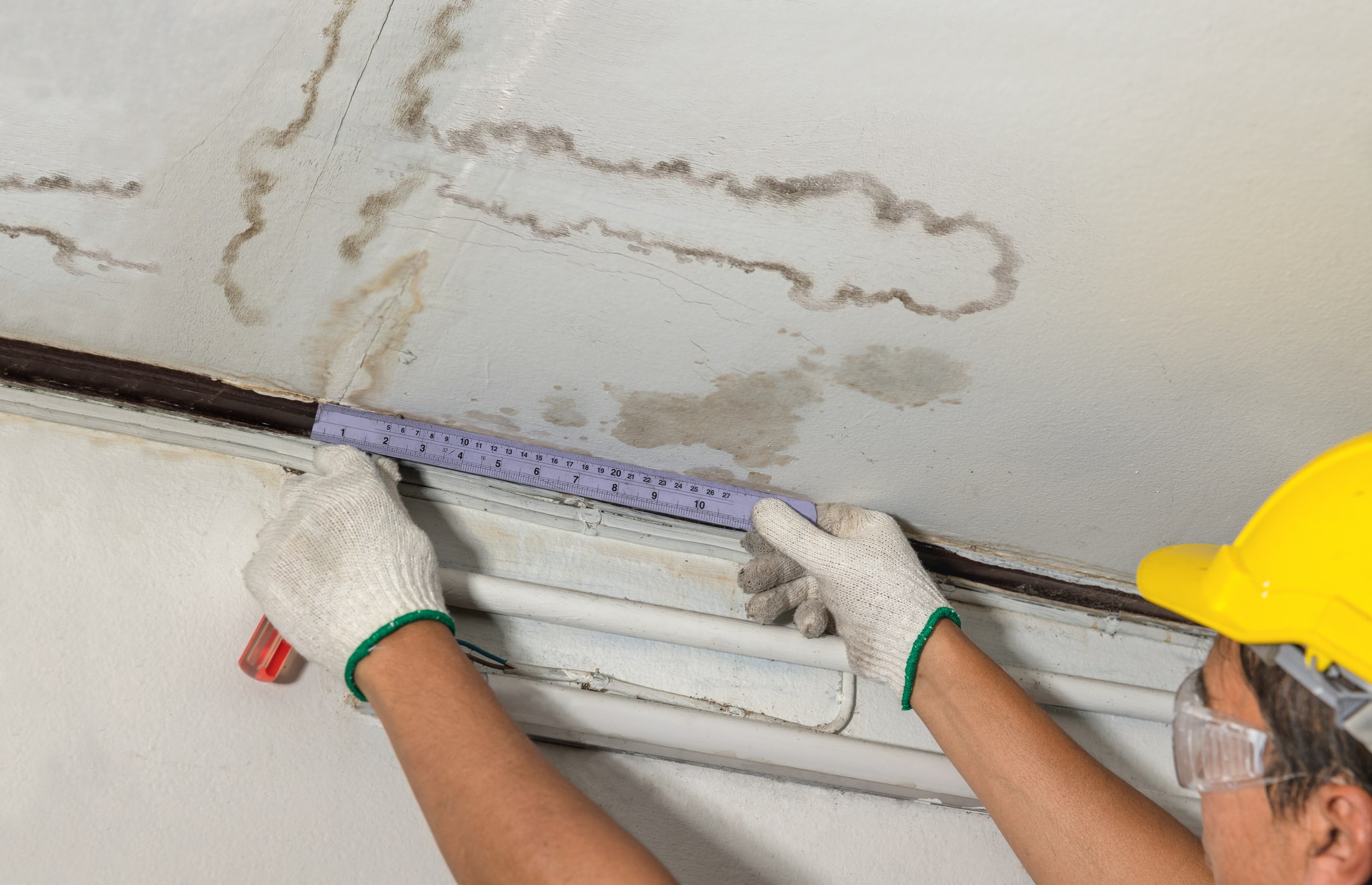
Pre-Installation Condition Assessment: We inspect and document the existing roof condition before any solar contractor accesses the roof. That baseline record protects the building owner if membrane damage occurs during PV installation — the assessment is the before-state the insurance carrier needs.
Post-Installation Membrane Documentation: After the PV installation is complete, we inspect and document the condition of the membrane at every penetration and along every racking row. The post-installation inspection is the close-out record for the roofing warranty file.
Proficient in major facility management portals, including ServiceChannel, Corrigo, Building Engines, Emcor, fmPilot and Ariba