Dallas sits at the southern edge of the national hail belt. North Texas produces significant hail events most springs, and some years produce multiple events with stones above 1.5 inches. The April 2021 storm that tracked through Garland, Rowlett, and the northeast Dallas quadrant produced 2.5-inch stones and generated hundreds of commercial roof claims. The March 2022 storm that crossed the DFW Metroplex on a line from Fort Worth through Grand Prairie and into the southern Dallas County industrial corridor was similarly destructive. After every event, there is a window — typically 30 to 90 days — in which documentation quality determines whether a claim is paid, partially paid, or denied.
We document what the storm did, we distinguish it from what was already there, and we repair what the storm damaged.
A commercial hail claim requires documentation that establishes three things: that a hail event occurred, that the event caused the observed damage, and that the observed damage is distinct from pre-existing conditions. The first is established by NOAA storm reports and insurance weather verification services. The second requires photographs that show hail impact signature — spatter patterns on AC condenser fins (a reliable hard-surface benchmark), dented pipe boots, fractured granules on modified bitumen, bruising and splits on TPO and EPDM membrane.
The third — distinguishing event damage from pre-existing conditions — is where most commercial claims generate disputes.
We measure hail density — impacts per 10 sq ft — in multiple locations across the roof.
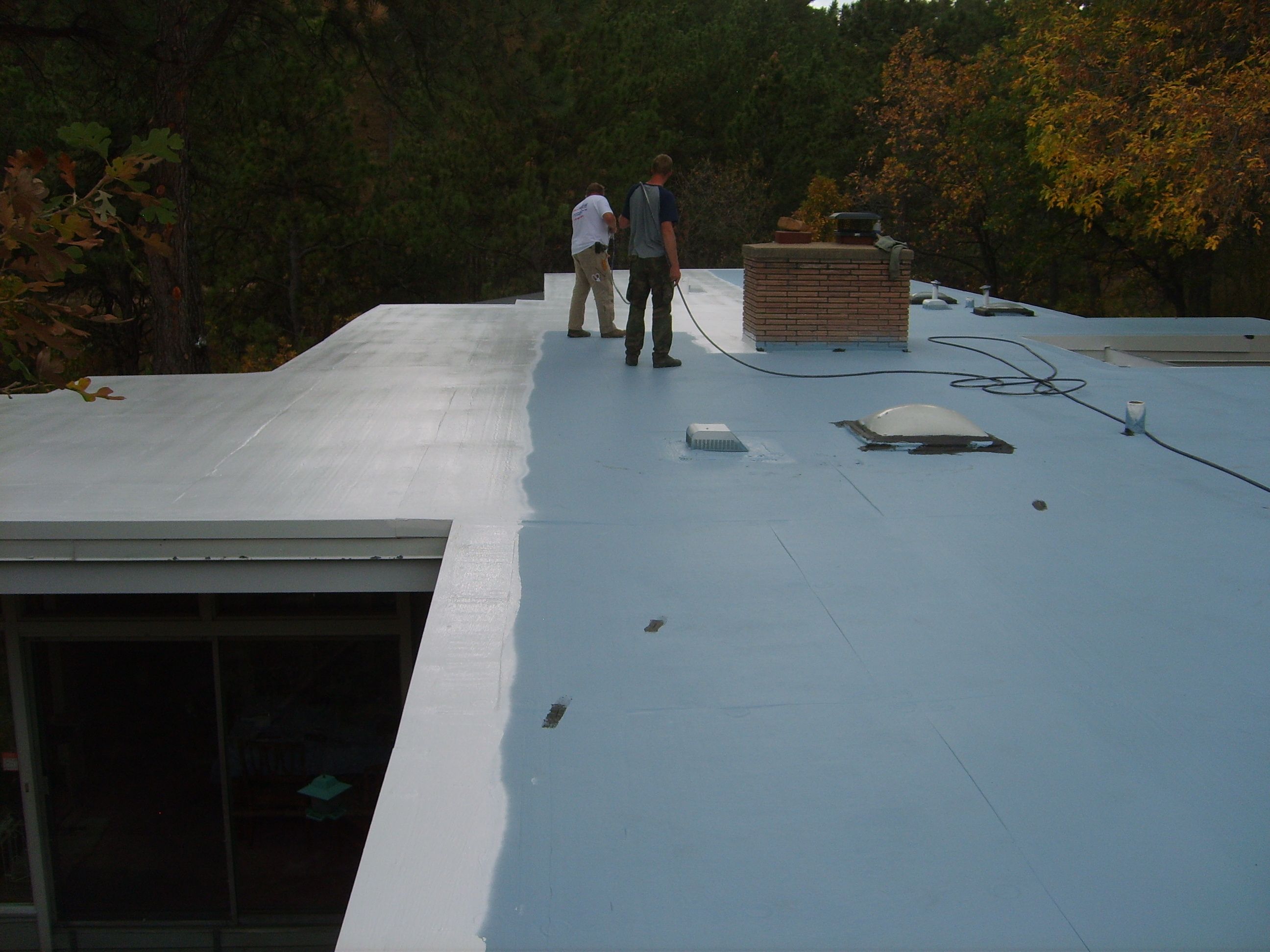
TPO and EPDM membranes: Large hailstones (1.5-inch and above) leave visible bruising and occasional fractures through 60-mil TPO, particularly at seam lines where the membrane is bonded to the substrate and cannot absorb impact through deflection. Stones above 2.5 inches regularly penetrate 60-mil TPO outright. The cover board spec matters — HD polyiso cover board significantly reduces penetration depth compared to standard-density board.
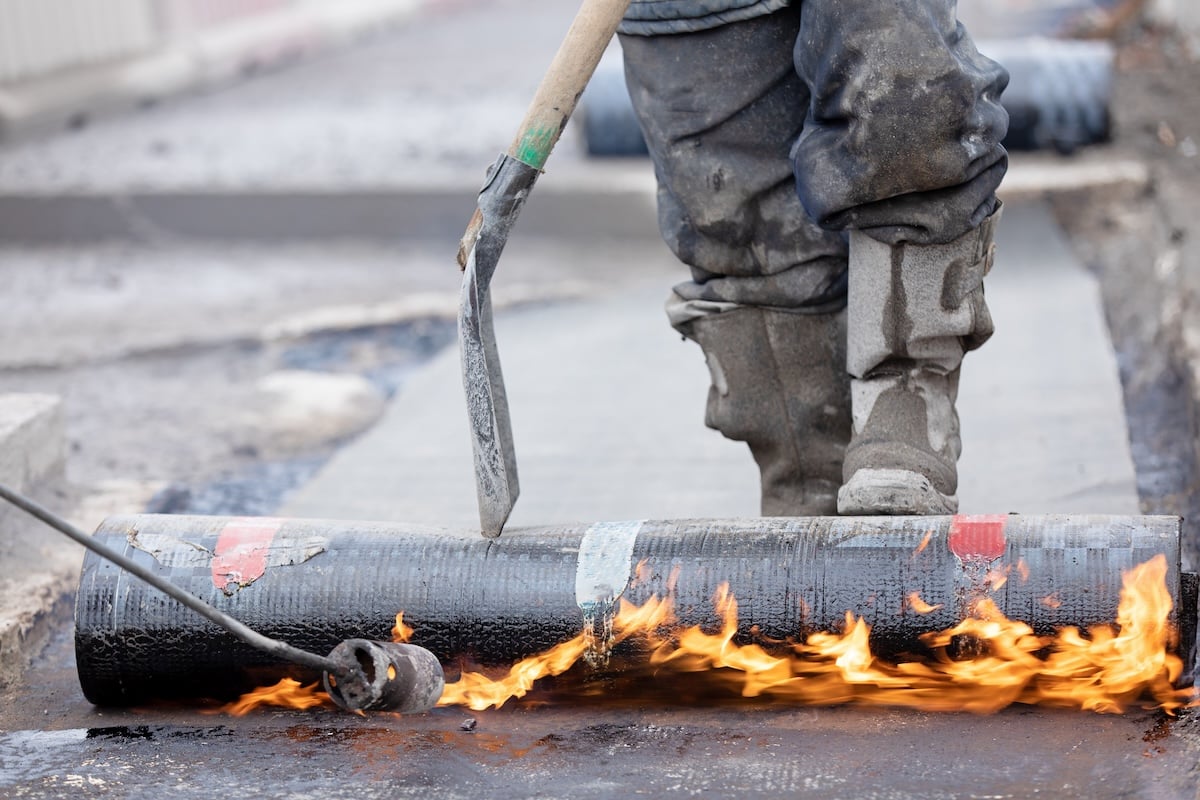
Modified bitumen: Granule displacement is the primary indicator on granule-surfaced modified bitumen. Impact craters without granule coverage expose the base sheet to UV and accelerate membrane degradation. We measure exposed area and compare to non-impacted sections of the same membrane to establish the damage rate.
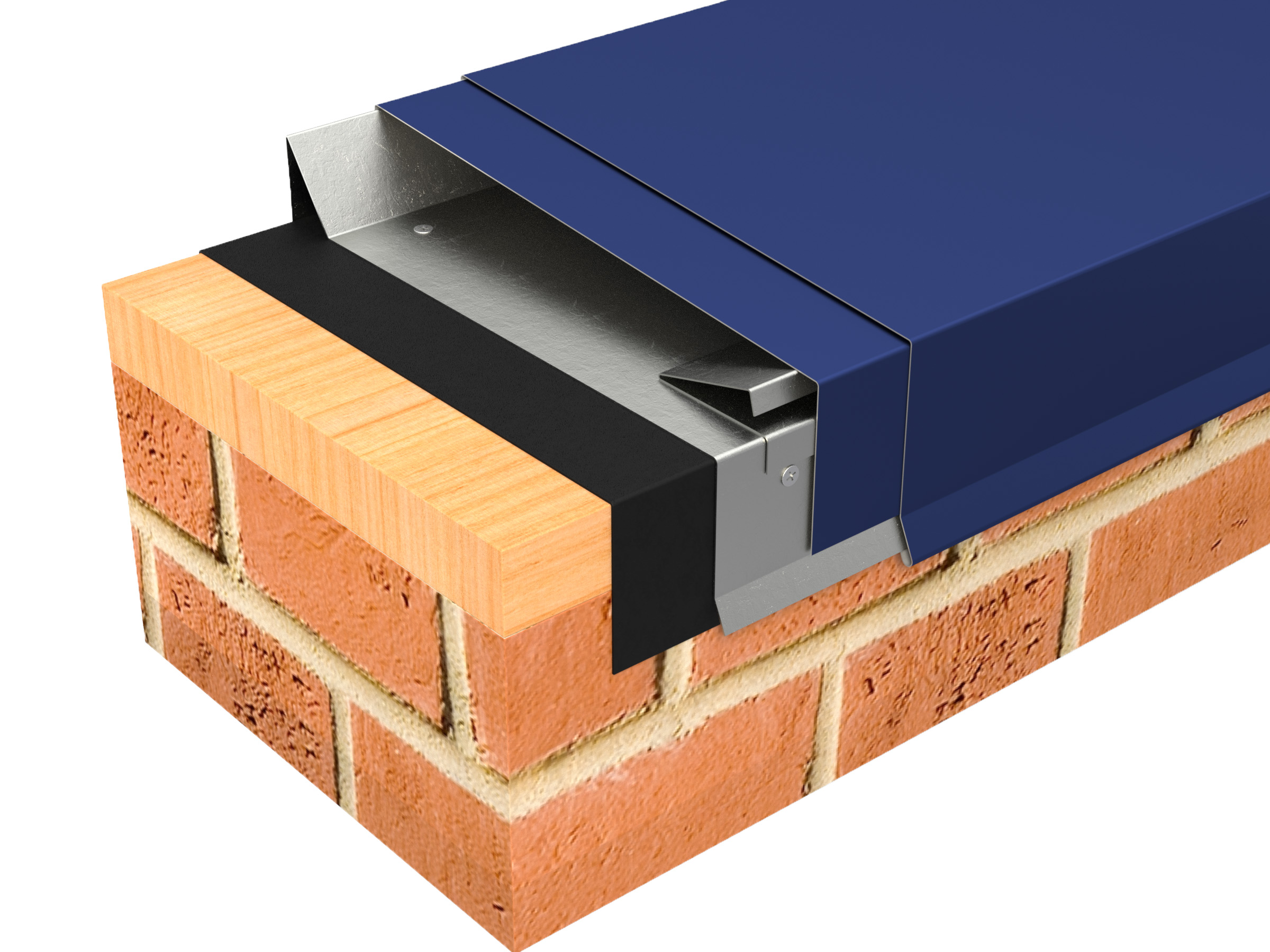
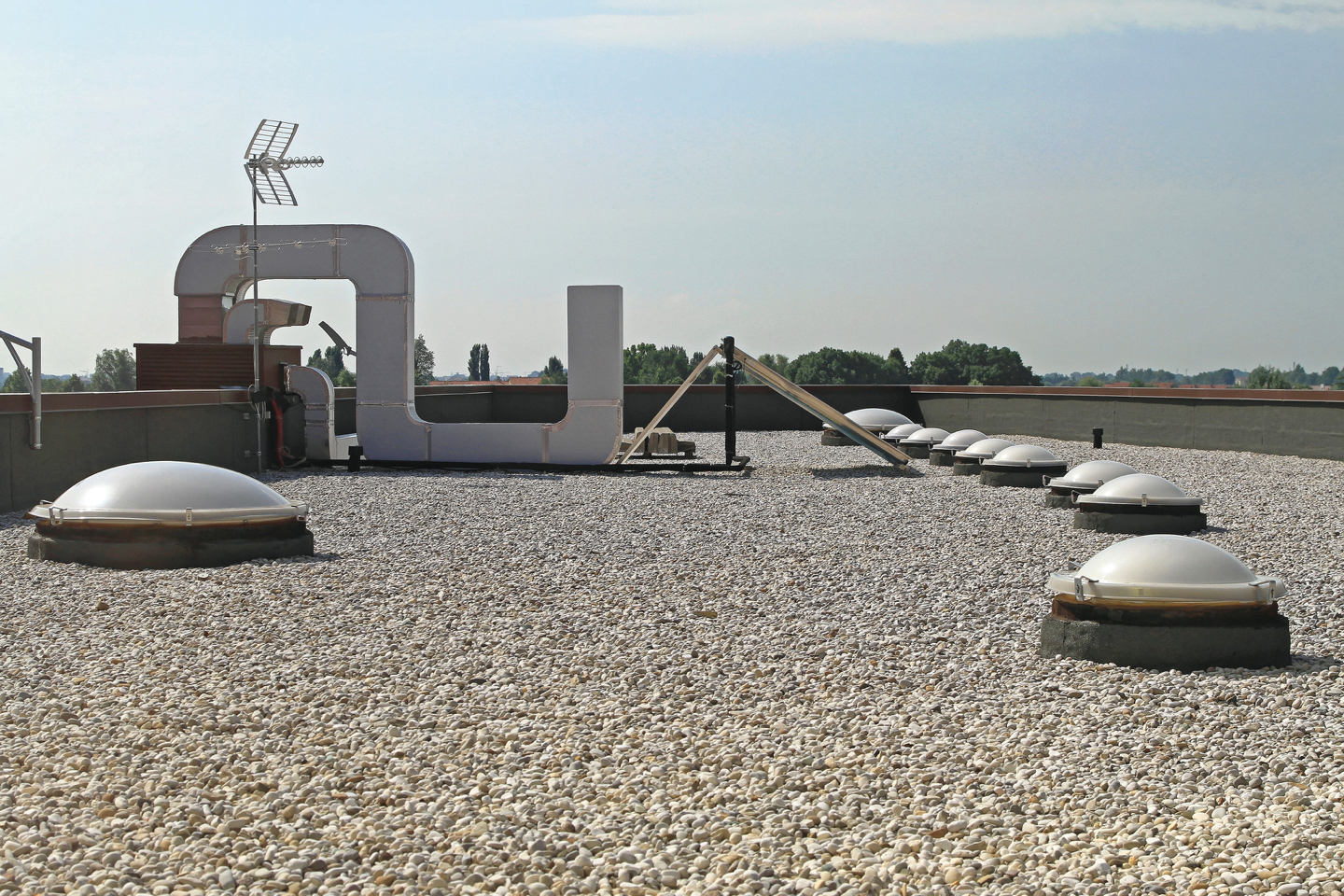
Metal components: Parapet coping caps, metal edge flashings, pipe boots, skylight frames, and HVAC equipment all show spatter damage that serves as hard-surface hail evidence.
Ponding acceleration: Hail events frequently damage drain covers and partially obstruct drains through debris loading. On Dallas roofs with marginal drainage — common on older buildings in the Elm Fork industrial corridor and along I-30 in the Mesquite-Balch Springs industrial strip — a hail event can convert a drain that was functioning marginally into one that fails outright under subsequent rainfall.
We know how to have this conversation in a way that produces resolution rather than a standoff.