Managing a portfolio of Dallas commercial buildings means managing dozens of roof assets in different lifecycle stages — some in warranty, some approaching reroof, some already past it. Our roof asset management program gives you condition data, capital horizon estimates, and maintenance coordination across the full portfolio on a recurring cadence.
Reactive roofing is expensive roofing. The building with a roof failure that nobody saw coming — because nobody was looking — spends emergency repair money, loses tenant goodwill during the leak event, and then faces a full replacement on an unplanned capital timeline. For a Dallas owner or property manager with five buildings, this is an occasional problem. For one with twenty or fifty, it is a budget and reporting problem that happens multiple times per year.
Our roof asset management program replaces reactive with planned. We inspect every building in the portfolio on a recurring schedule (annual for buildings in the last five years of expected service life, biennial for mid-life buildings, triennial for new or recently replaced buildings), document condition data consistently across all buildings, track condition trends over time, and produce the capital horizon estimates that let ownership plan replacements on a 5-10 year forward schedule rather than a 90-day emergency timeline.
The program is not a warranty-maintenance contract dressed up with a new name. It is a systematic approach to treating roof assets the way the rest of the building's mechanical systems are treated — with recurring inspection, documented condition trending, and proactive capital planning.
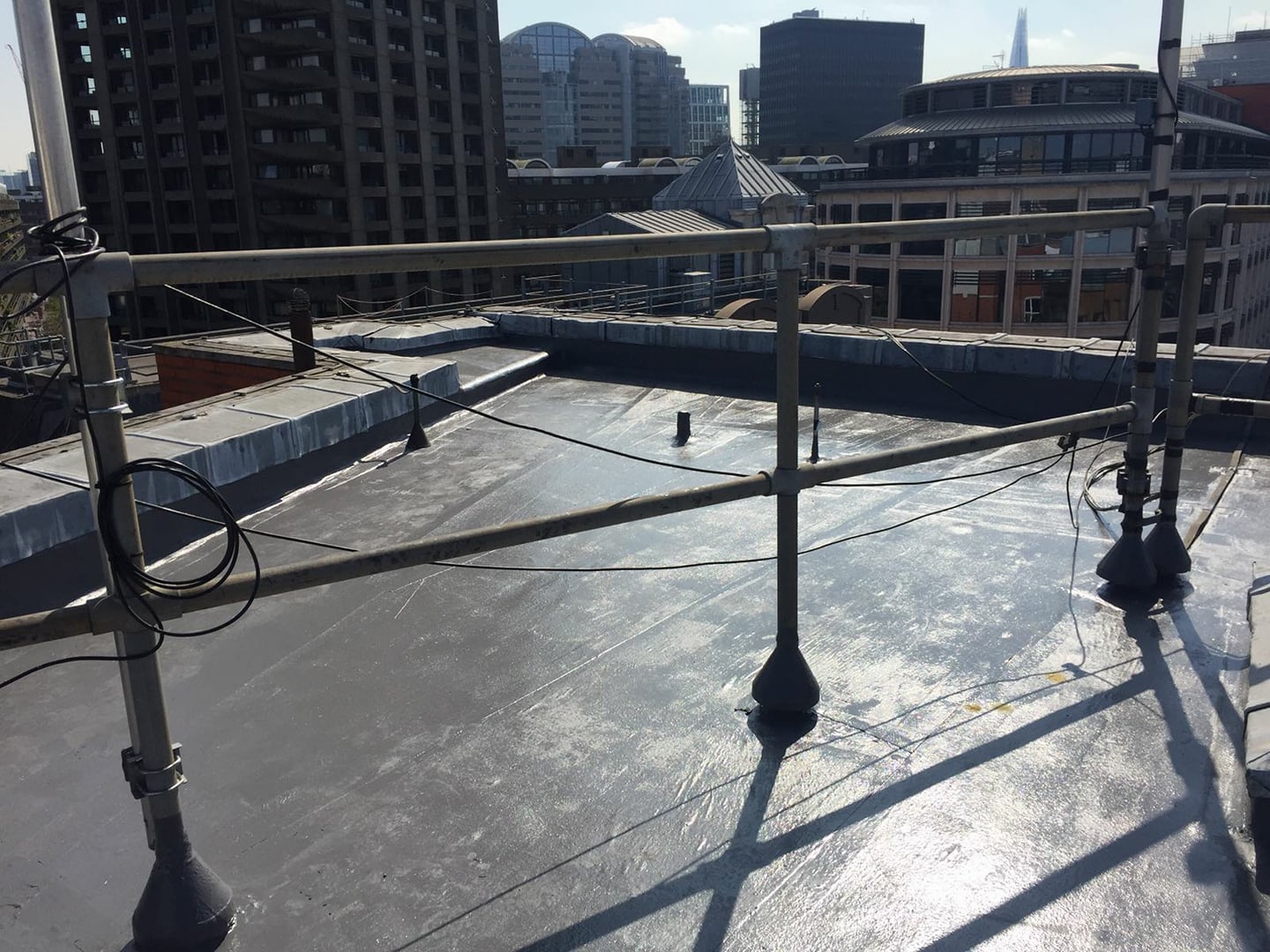
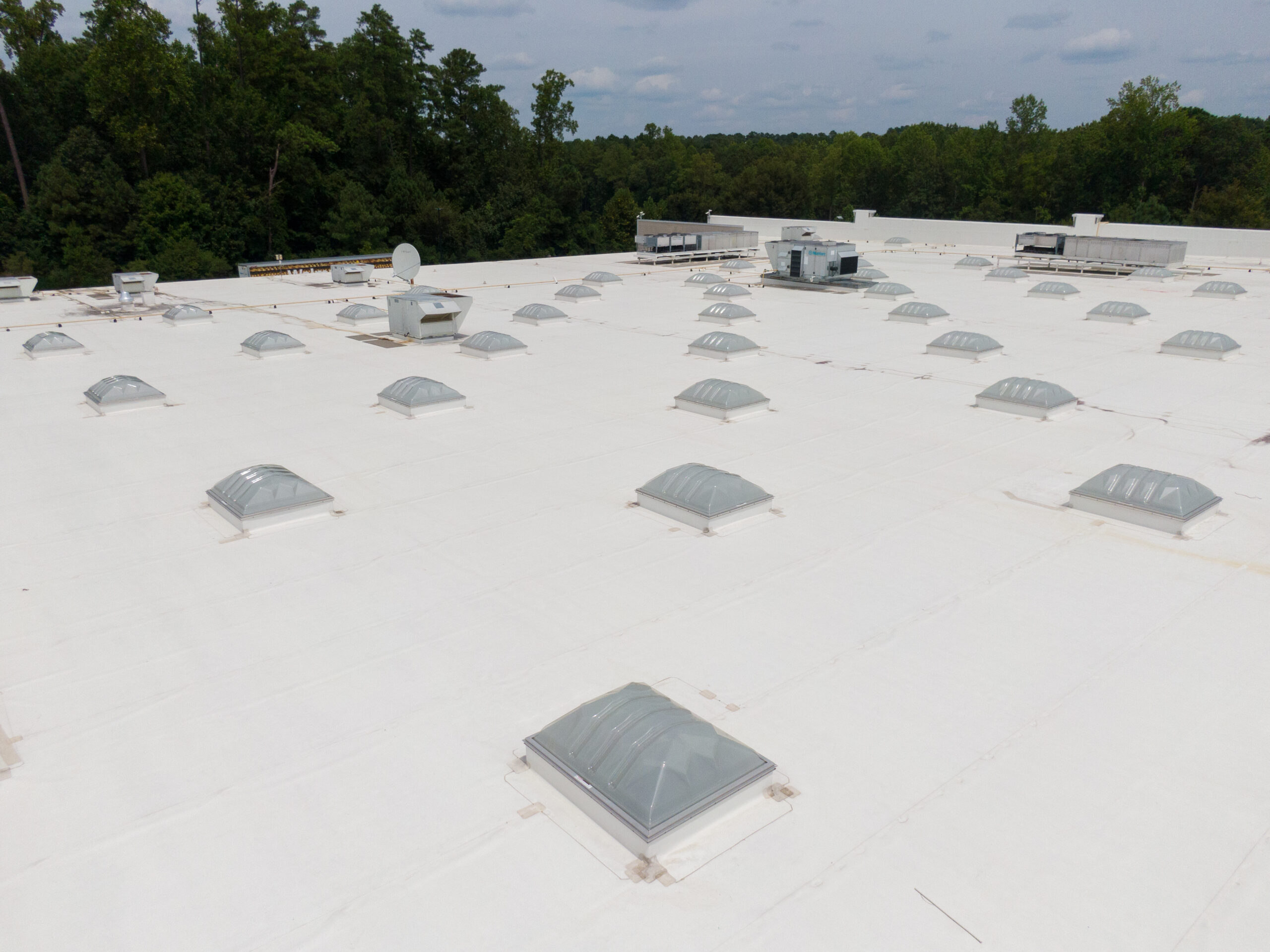
Every inspection visit produces a structured condition record for the building's roof asset file. Field inspection covers: membrane condition (field, flashings, seams, penetrations, parapets), drainage performance (drain bowls, overflow drains, scupper condition, any active ponding zones), rooftop equipment condition (curb flashings, equipment condition, foot traffic impact), and parapet/wall flashing condition. Every item is rated on a consistent condition scale (Good / Fair / Poor / Failed) and photographed at the location shown on the building's roof zone diagram.
For portfolio accounts running 10 or more Dallas-area buildings, we use a standardized data capture template so condition records are directly comparable across buildings and across inspection years. An owner managing properties across the Greenville Avenue corridor, the Cedar Springs retail strip, and the Mockingbird Station area can compare the condition of their assets against each other on a common scale — not three different inspection formats from three different contractors.
Post-inspection reporting is delivered within 5 business days of the site visit: the updated condition record, all photos keyed to the zone diagram, any deficiencies found with priority classification (Critical — repair within 30 days / Significant — repair within 90 days / Watch — monitor at next inspection), and the updated remaining-life estimate for each roof zone.
Once we have two or more years of condition data on a building, the asset file supports capital horizon planning. Condition trend data (is the membrane degrading faster or slower than expected?) combined with the manufacturer's expected service life and the building's current condition rating produces a projected replacement window — not a pinpoint date, but a 2-3 year range that the owner can plan capital budgets against.
For Dallas portfolio owners, we produce a 5-year and 10-year capital schedule that shows every building in the portfolio, its current condition rating, its projected replacement window, and a rough capital estimate (in current-year dollars with an inflation assumption) for the replacement project. This is the document that goes to ownership and lenders for capital planning conversations — not a contractor's bid, but a professionally documented asset assessment that the building's other advisors can use.
We update the capital schedule annually as inspection data comes in. A building that degrades faster than projected moves earlier on the capital schedule. A building that holds condition longer than expected moves later. The owner's capital horizon reflects what the roofs are actually doing — not what we assumed two years ago.