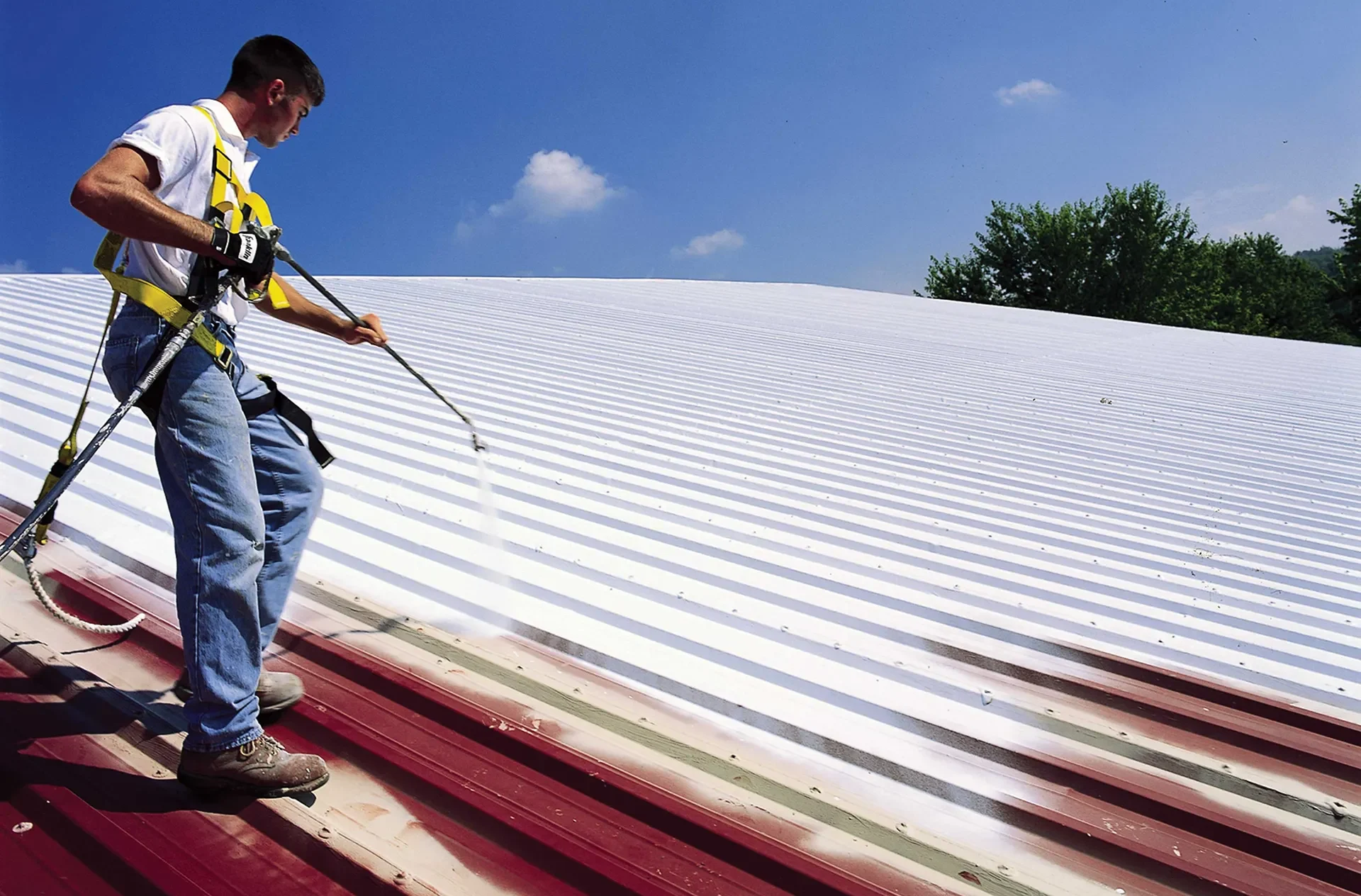
The aging modified bitumen and built-up roof stock from the 1980s and 1990s across the Stemmons Freeway industrial corridor, the Galleria office district, and the older Las Colinas corporate park is at a decision point: full tear-off and replacement, or silicone restoration coating applied over a structurally sound membrane. For buildings where the deck and insulation are in acceptable condition, silicone restoration is the right economic call — the coating costs a fraction of tear-off and produces a new 10 to 20 year warranty on the restored system.
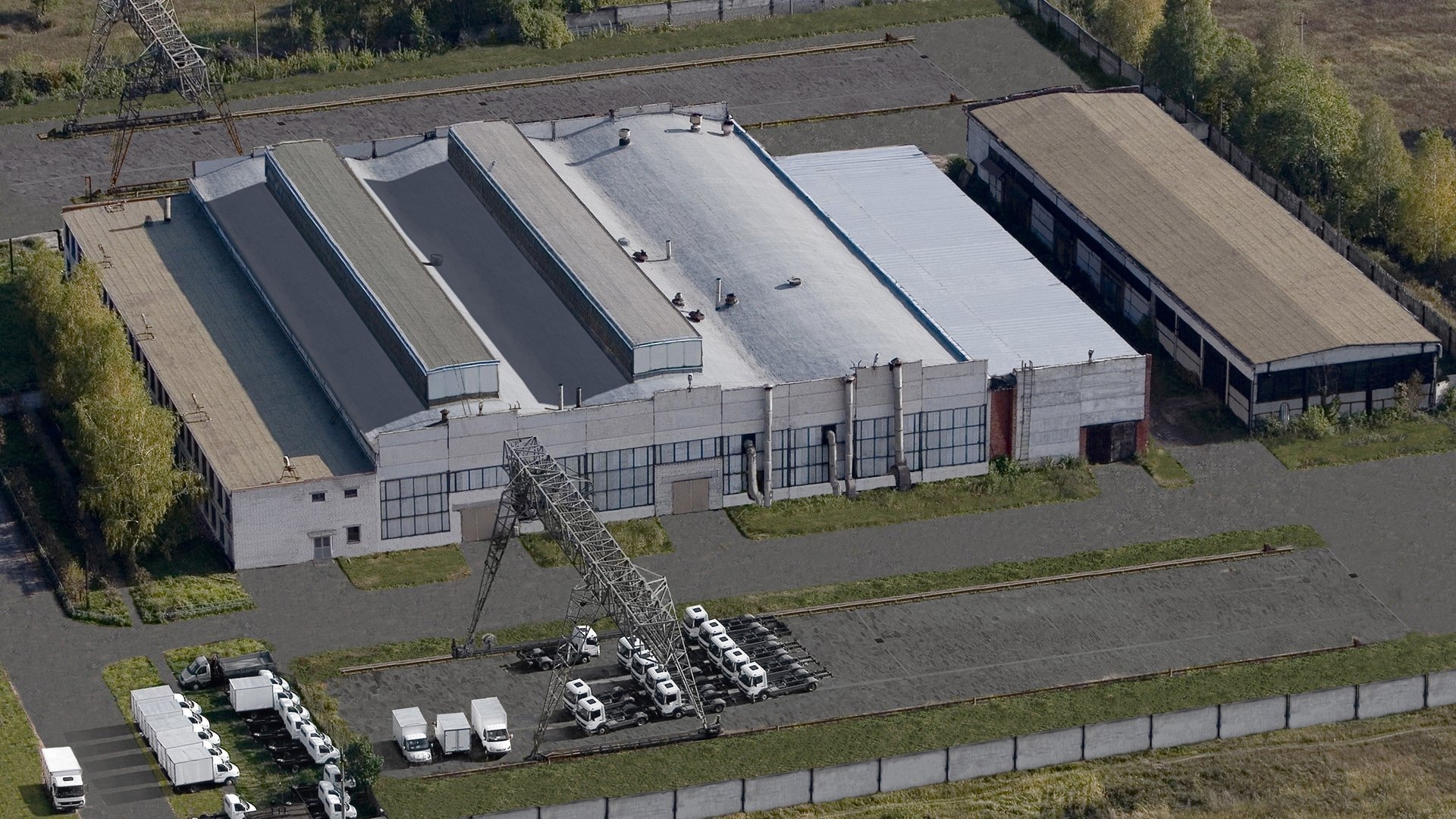
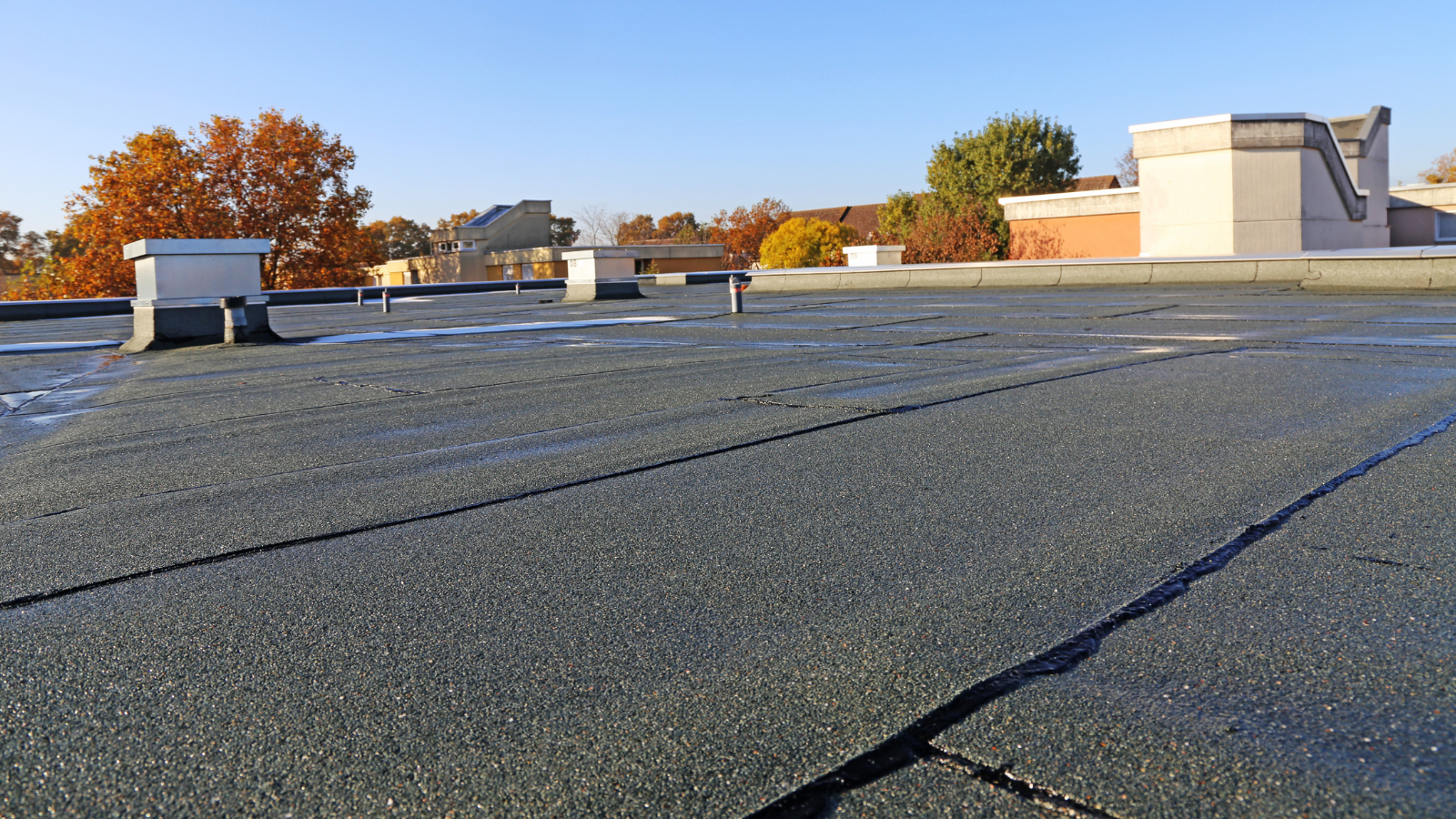
The Stemmons corridor has hundreds of tilt-wall buildings that went up in the 1980s and 1990s with modified bitumen roofs that are now 30 to 40 years old. Full tear-off and replacement is the right answer when the insulation is wet and the deck is compromised. But on buildings where the underlying structure is sound — and a surprising number of those 1980s modified bitumen systems are still structurally intact even when the surface is alligatored — silicone restoration coating is a cost-effective way to extend roof life by 10 to 20 years and produce a new manufacturer warranty.
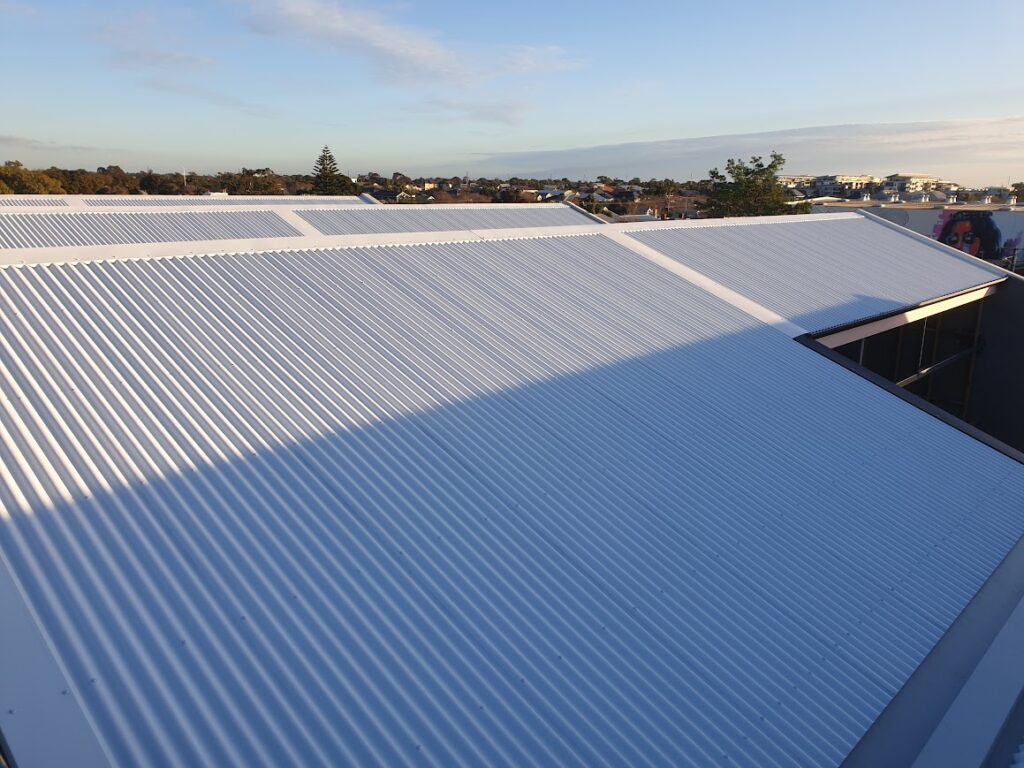
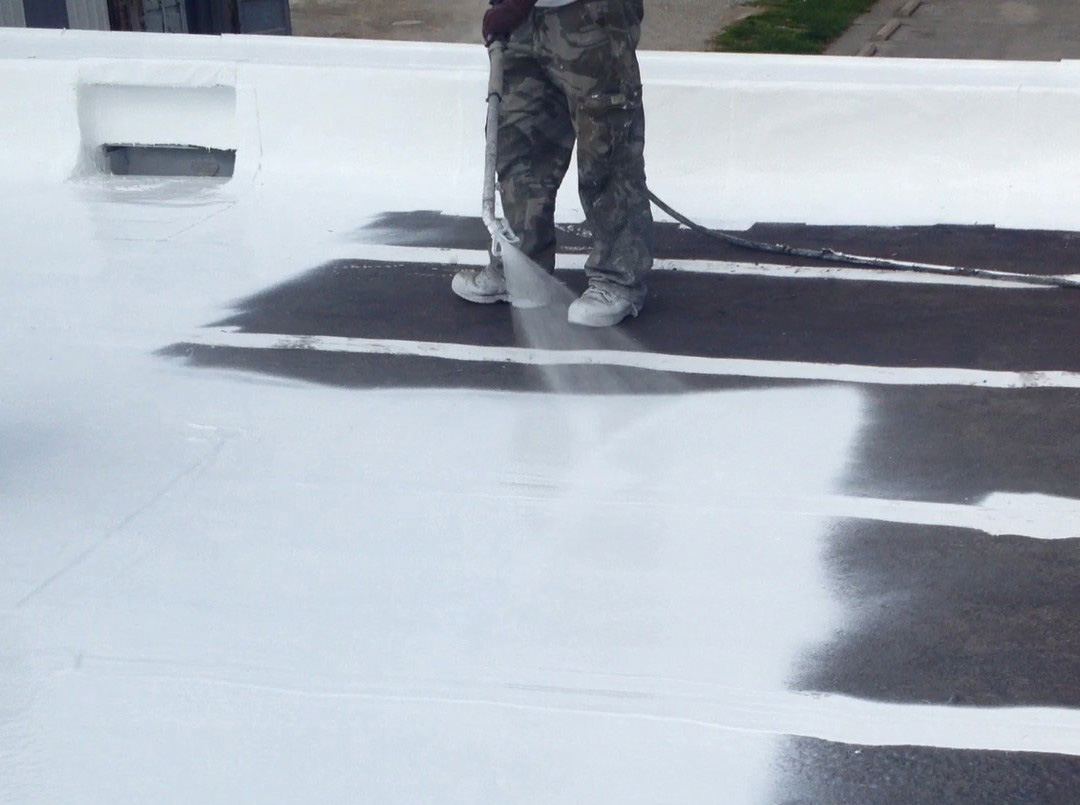
The silicone application sequence on a modified bitumen roof starts with a thorough cleaning, any repair of active seam or blister failures, reinforcement fabric at penetrations and flashings, and then the silicone applied to the manufacturer's minimum mil thickness. The finished coating is white reflective, reduces the summer heat load on the building envelope, and is warranted against ponding water — the one failure mode that disqualifies acrylic coatings in the DFW market because spring rain events can produce standing water for 24 to 48 hours on roofs with compromised drainage.
Seal seams, penetrations, and flashing details to prevent leaks.
Extend roof life by 5–15 years with manufacturer-backed warranties.
We assess the existing membrane for moisture intrusion, seam condition, surface adhesion, and structural integrity. Infrared scanning and core sampling determine whether the existing system can carry a coating — if more than ten percent of the insulation field is wet, coating is not viable and replacement is the right call.
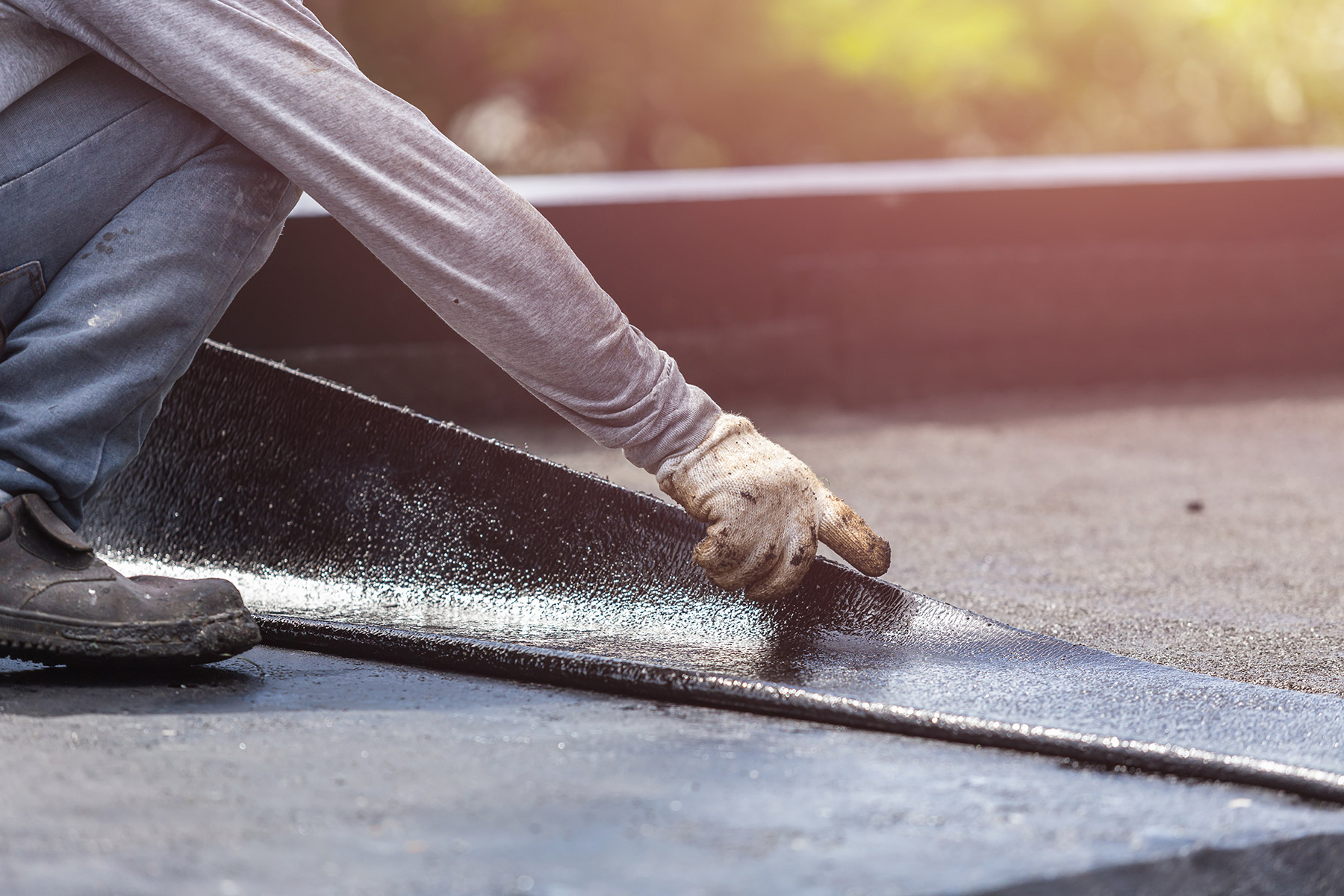
Surface prep is where coatings fail or succeed. We clean the existing membrane with pressure washing and, where needed, chemical treatment. Active seams, blisters, and penetration flashings are repaired before any coating goes down. Coating over a failing substrate produces a failing coating.
Penetrations, drains, flashings, and seam areas receive reinforcement fabric embedded in the base coat. This is the detail work that determines whether the coating system performs at those critical transition points — the areas where coating systems typically fail if the reinforcement sequence is skipped.
We apply silicone, acrylic, or polyurea coating to the manufacturer's minimum mil thickness specification, confirmed with wet film and dry film measurements at representative locations across the roof. Application at below-spec thickness is the most common cause of early coating failure on DFW commercial roofs.
Coating systems carry manufacturer warranties that range from 10 to 20 years depending on the system and mil thickness. Warranty registration requires the manufacturer's inspection of the completed coating — we coordinate that inspection and deliver the issued warranty document to the building owner within 60 days of project completion.