Commercial roofing for full-service hotels, limited-service hotels, extended-stay properties, and hospitality brands throughout Dallas, TX.
Dallas operates one of the largest and most competitive hotel markets in the American South, led by the Kay Bailey Hutchison Convention Center downtown, the Market Center district, and a dense concentration of full-service properties along LBJ Freeway, Stemmons Corridor, and around Dallas/Fort Worth International Airport. With over 60,000 hotel rooms in the metro area, brand competition is intense and franchise standards enforcement is rigorous. Hotel owners in Dallas cannot afford to let roofing systems fall out of compliance when a brand field representative or third-party auditor could visit on any given quarter.
The Dallas climate imposes a severe annual cycle on hotel rooftops. Summers regularly push air temperatures past 105 degrees Fahrenheit, and dark-surfaced low-slope roofs can reach surface temperatures of 180 degrees or higher, accelerating thermal oxidation of membrane plasticizers. Then, between November and April, the city sees periodic hard freezes — sometimes preceded by ice storms — that cause membrane systems to contract and expand at rates that stress seams and penetration flashings. A TPO or PVC single-ply system correctly installed with thermally welded seams handles this cycle far better than a cold-adhesive system, and Dallas hotel operators have broadly adopted heat-welded membrane platforms as the standard for their properties.
Full-service properties in Uptown, the Design District, and the Turtle Creek corridor often include rooftop bars, amenity terraces, and mechanical penthouses that add significant roofing complexity. These elevated amenity spaces require waterproofing assemblies that accommodate foot traffic, furniture loads, and outdoor kitchen drainage while also performing as watertight membranes beneath pavers or composite decking. Pedestal paver systems over a properly sloped fluid-applied or sheet membrane are increasingly common at lifestyle hotels and boutique brands that have expanded their Dallas footprint in recent years.
Airport-adjacent hotels serving DFW and Love Field operate at exceptionally high occupancy throughout the week, driven by corporate travel, airline crew layovers, and the constant throughput of one of the busiest aviation hubs in the country. Because these properties rarely experience a genuine low-season, roofing contractors must plan all work around tight scheduling windows and be prepared to work weekends or early mornings to avoid disrupting guests who need daytime quiet for shift-sleep purposes. Crew staging areas and material lifts require careful coordination with hotel security and parking operations to avoid impeding shuttle routes and guest drop-off zones.
Property Improvement Plan cycles drive roofing replacement decisions for a large share of Dallas's branded hotels. Hilton, Marriott, IHG, and Hyatt all maintain field inspection programs in the Dallas market, and PIP letters that cite roofing deficiencies typically carry 12-to-18-month remedy timelines. Owners who plan ahead can bundle roofing replacement with other PIP scope items — exterior painting, canopy updates, signage — to reduce the total number of disruption events and achieve cost efficiencies on contractor mobilization. Roofing contractors who carry current brand product approvals and can provide warranty documentation in brand-required formats shorten the compliance close-out process considerably.
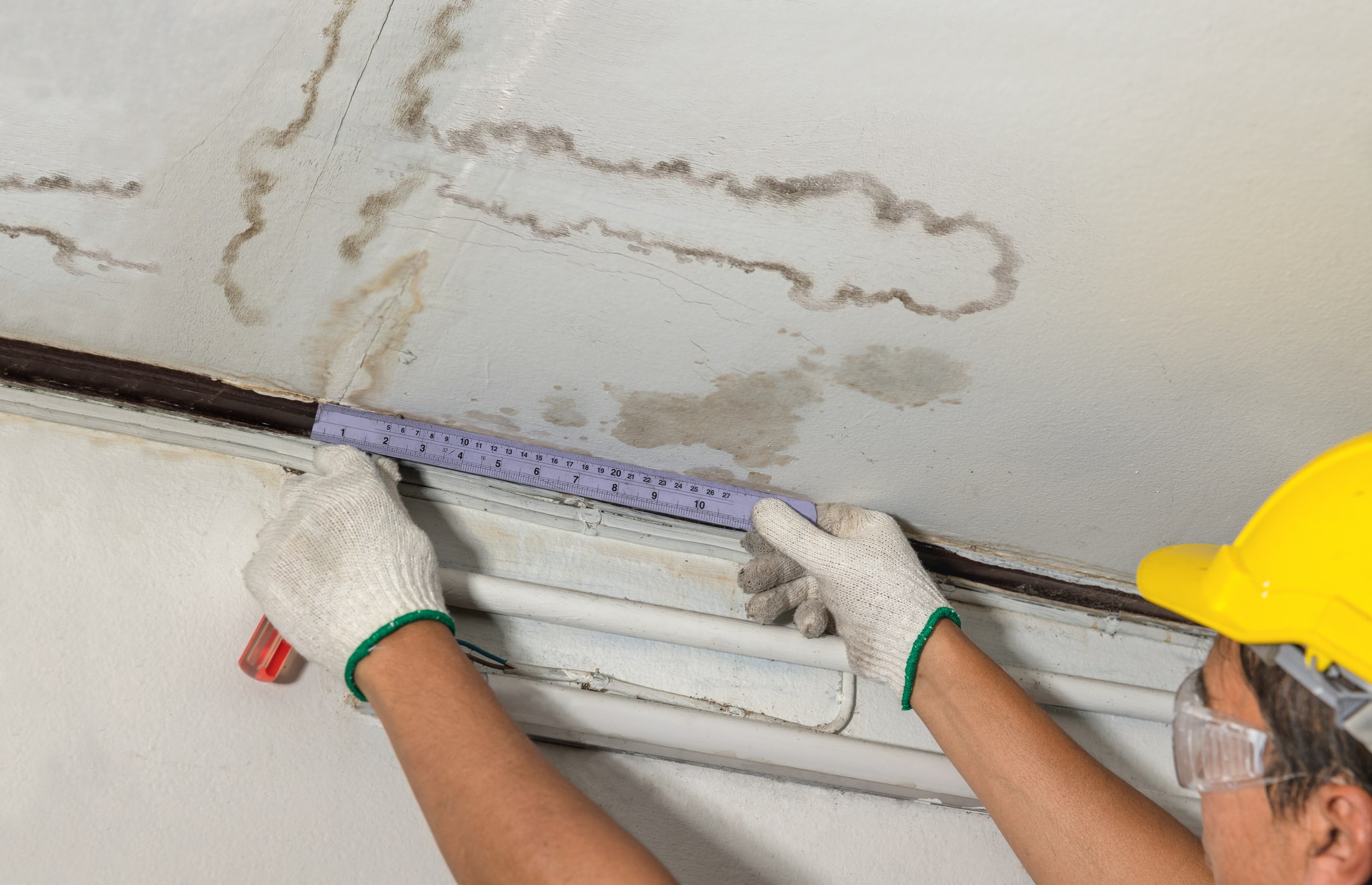
Extended-stay properties in suburban Dallas submarkets like Las Colinas, Frisco, and Plano serve long-term guests who are far more attuned to maintenance issues than transient travelers. A dripping ceiling or musty smell from a roof leak in an extended-stay unit can generate not just a single negative review but a formal complaint to the brand, since guests staying 30 or more nights tend to engage more directly with corporate customer service. Keeping extended-stay roofs in proactive maintenance rather than reactive repair mode is especially important given how long individual guests observe property conditions.
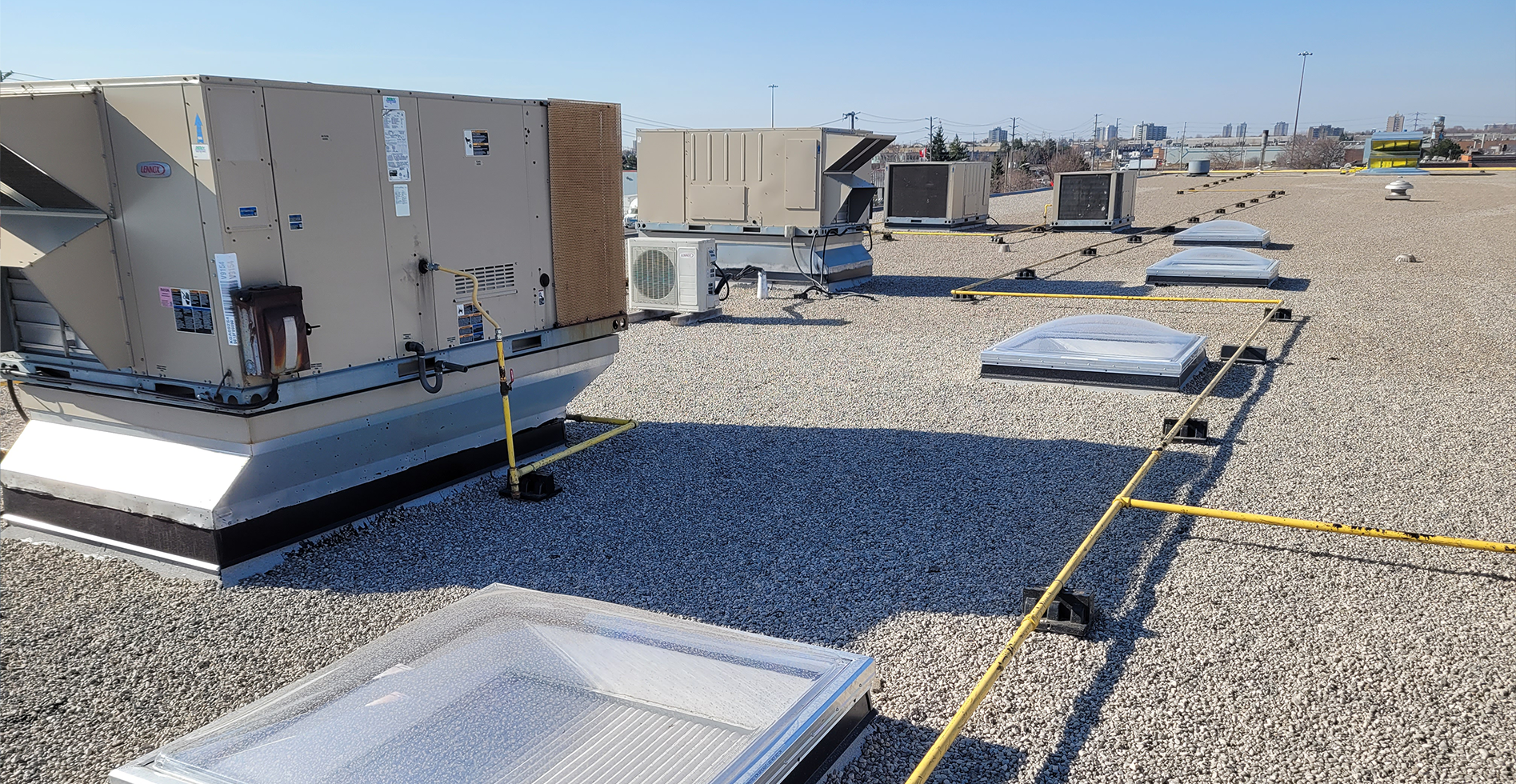
Rooftop mechanical equipment density on large Dallas full-service hotels creates a complex flashing environment that is a common source of slow leaks. Properties with extensive kitchen ventilation systems, multiple rooftop air handlers, and large cooling towers have dozens of individual roof penetrations, each of which requires its own flashing detail. Annual maintenance visits that probe every penetration collar, pipe boot, and equipment curb flashing can identify failing sealants and deteriorating counterflashings before they allow water intrusion. Many Dallas hotel engineering teams have moved to twice-annual inspections given the severity of the thermal cycling their rooftops experience.
Dallas's hospitality market is also home to a growing number of independent and soft-brand hotels that operate without the strict PIP framework of a major franchise but still face investor scrutiny and lender inspections that evaluate physical plant condition. For these properties, a well-documented roofing maintenance history — with dated inspection reports, repair invoices, and condition photos — serves as evidence of stewardship that supports favorable refinancing terms and smooth due diligence processes during ownership transitions. A local roofing contractor who maintains organized project files for each client property is a genuine asset to a hotel owner navigating the Dallas investment sales market.
Sometimes. If the leak is isolated to a failed flashing at a penetration or parapet, and the BUR field membrane is in otherwise sound condition (confirmed with core cuts), targeted repair is the right scope. If the leak is coming from failed plies in the field of the roof, repair at the leak point without addressing the underlying ply failure will produce another leak nearby within 12-18 months. We will tell you which situation you are in — not just patch the obvious wet spot.