Commercial roofing for strip malls, shopping centers, anchor stores, and standalone retail buildings throughout Dallas, TX.
Dallas retail real estate is one of the most competitive and densely developed markets in the country, and the roofing demands that come with managing strip centers along Preston Road, power centers near LBJ Freeway, or lifestyle complexes in Uptown are correspondingly complex. North Texas weather throws everything at commercial rooftops — summer temperatures that push 110 degrees on the membrane surface, winter ice storms that exploit any weakness in flashing or seam adhesion, and spring hailstorms that can render a five-year-old single-ply system uninsurable overnight. Retail property managers in Dallas have learned that reactive roofing is among the most expensive operational decisions they can make.
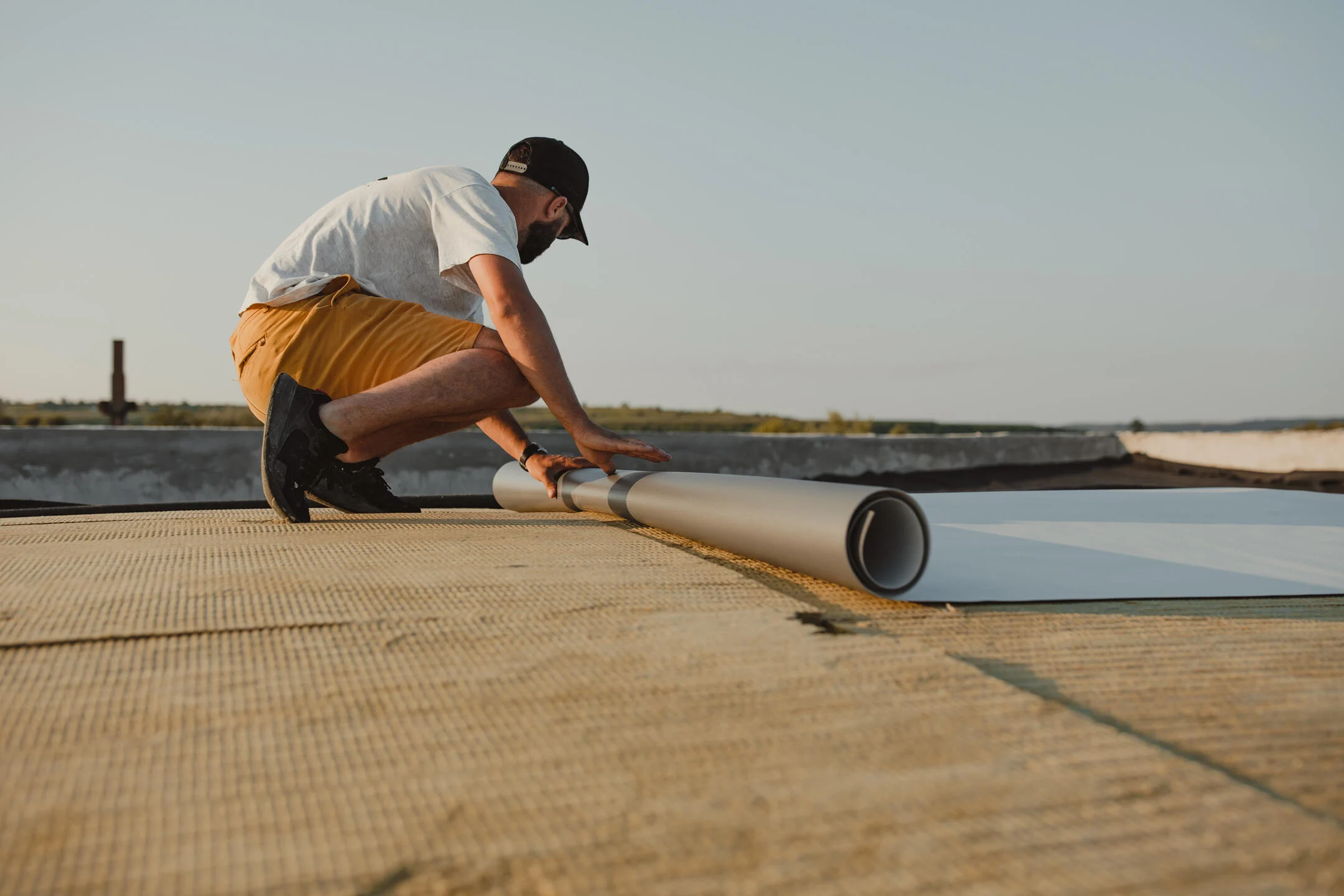
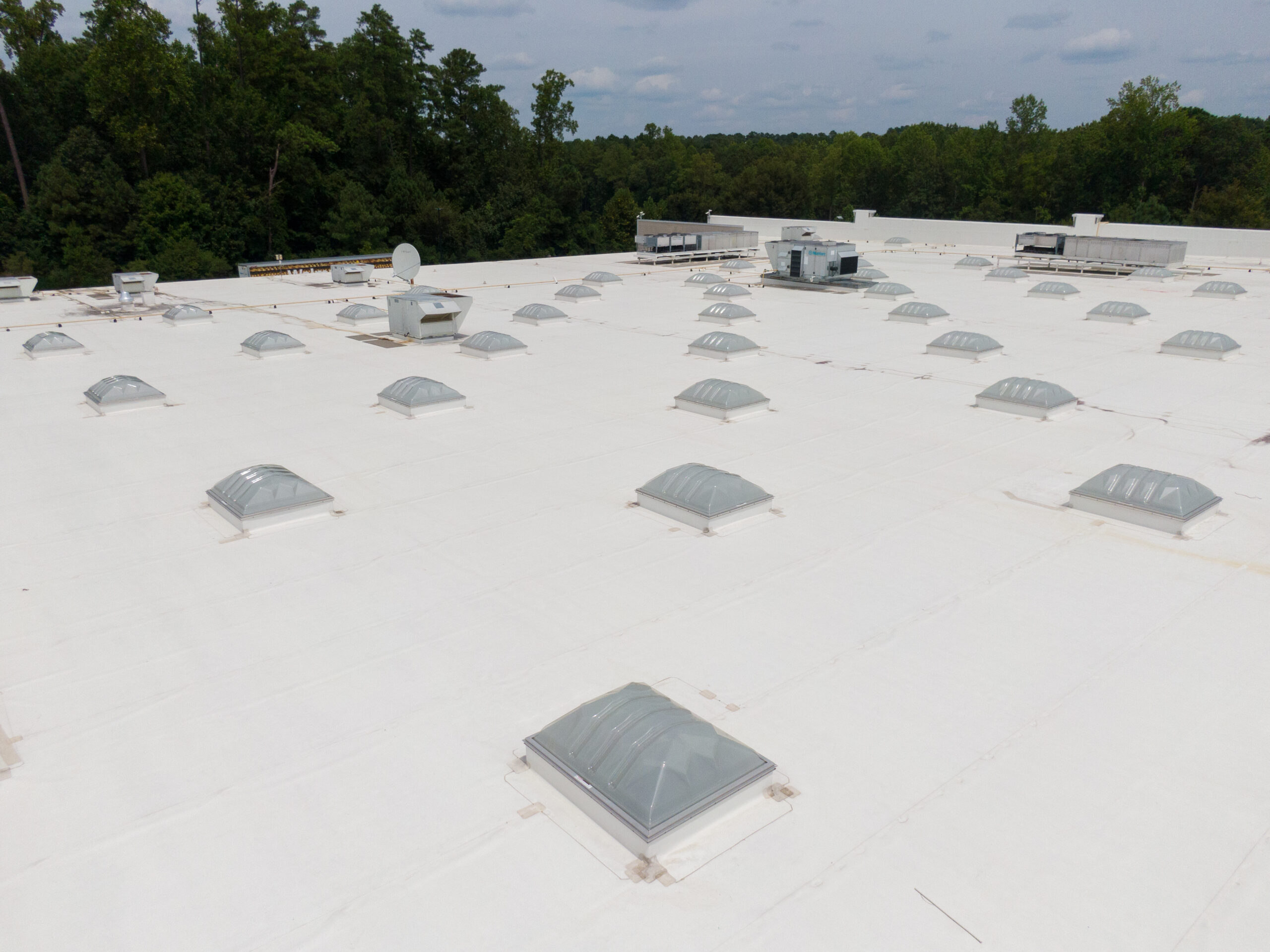
TPO roofing has become standard on Dallas-area retail for a straightforward reason: the energy economics favor reflective membranes in a climate where cooling dominates the utility bill for eight or more months of the year. Big-box anchor stores in the Galleria corridor, inline tenants at NorthPark-area strip developments, and standalone fast-casual buildings along the Dallas North Tollway all benefit from the reduced heat gain that white membrane roofing delivers relative to aged gravel or dark EPDM surfaces. For portfolio landlords managing multiple properties, the energy savings from a programmatic TPO conversion can be modeled against the capital cost and presented to investors as a measurable return rather than a pure maintenance expense.
Hail is the defining insurance and replacement cycle driver for Dallas commercial roofing. The DFW metroplex sits squarely in a hail corridor that produces multiple significant storm events per season, and retail properties — with their large, unobstructed low-slope roof planes — accumulate hail damage that isn't always visible without a professional inspection. Insurance carriers writing policies on Dallas retail centers have tightened underwriting standards in response to hail claim frequency, and properties that cannot document a current roof condition report are increasingly facing higher premiums or coverage limitations. Proactive post-storm inspections, submitted to your insurer within the claim window, are the first line of financial protection for any retail landlord operating north of I-20.
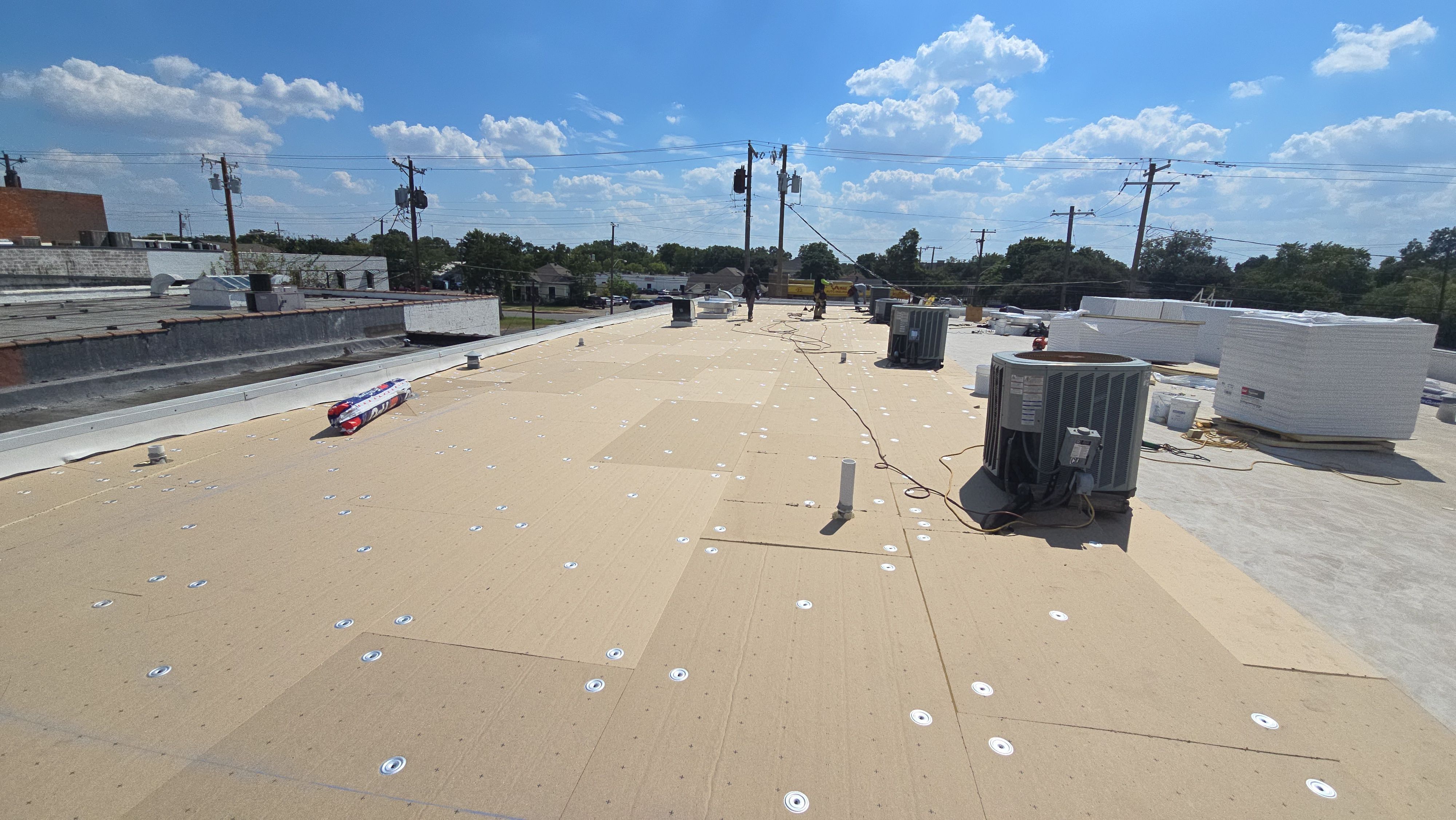
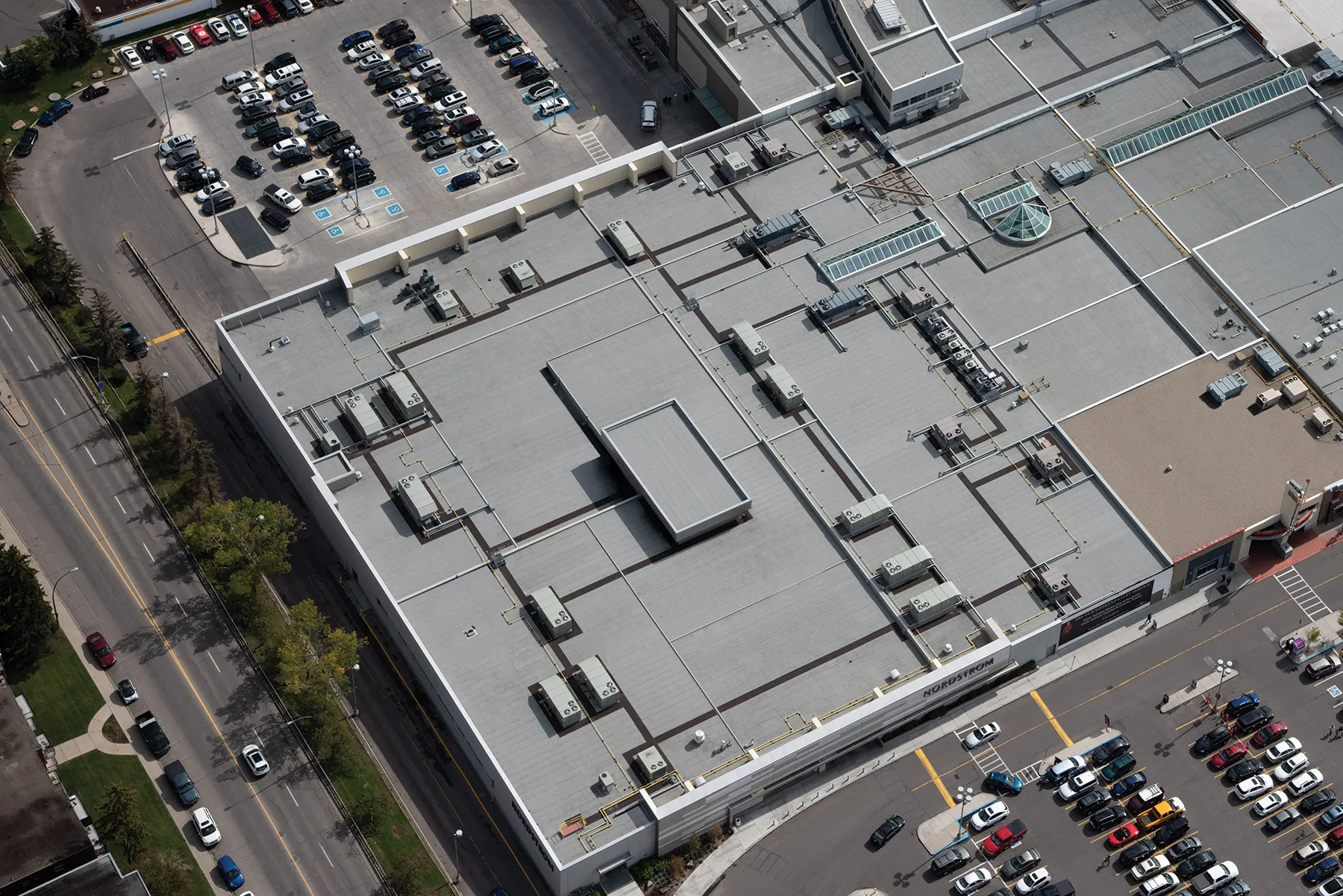
HVAC penetration density on Dallas retail rooftops reflects the sheer variety of tenant uses packed into today's shopping centers. The food hall concepts that have taken over former anchor bays at Preston Forest and similar centers require exhaust stacks, makeup air units, and grease-containment systems that were never anticipated in the original roof design. Each new penetration is a potential failure point, and rooftop grease contamination from food-tenant exhausts is one of the most destructive forces on TPO and PVC membranes — degrading the material from the surface down and voiding manufacturer warranties if grease guards aren't properly installed and maintained. Any lease signed with a food-service tenant in a Dallas retail center should include penetration and grease guard provisions that assign maintenance responsibility clearly.
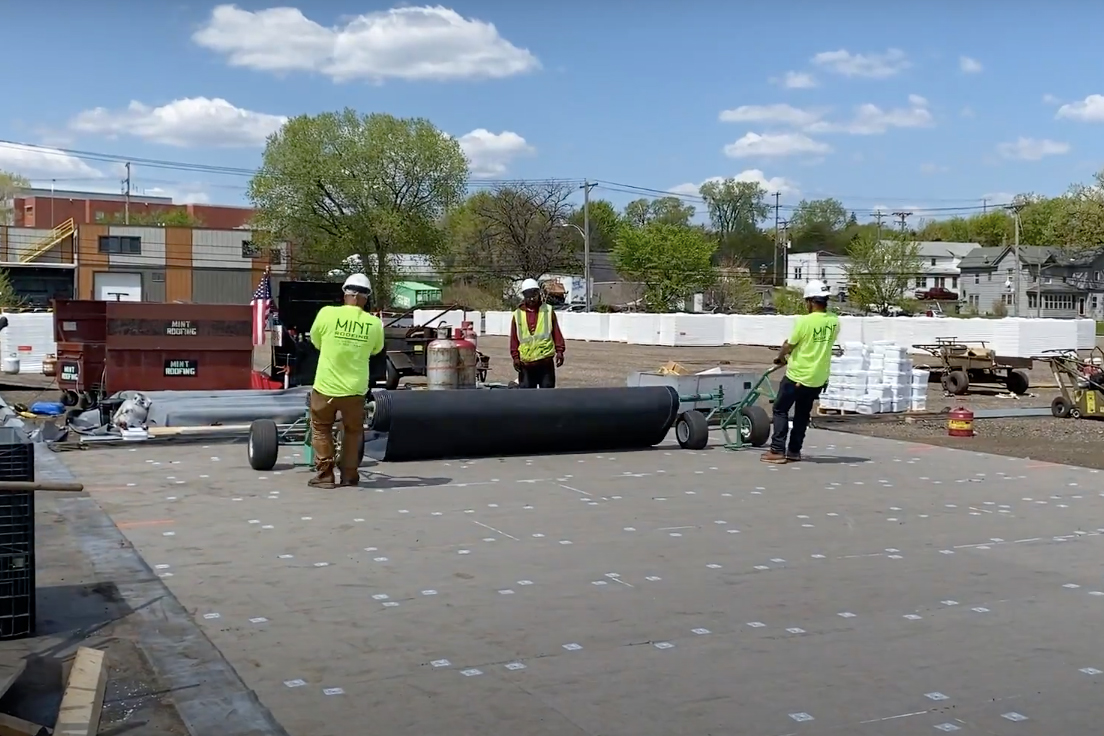
Tenant disruption management in Dallas retail has to account for the 24-hour nature of much of the market's commercial activity. Pharmacies along Mockingbird Lane, fitness clubs in the Belt Line retail corridors, and grocery anchors in neighborhood centers throughout Richardson and Garland operate outside traditional retail hours and cannot simply close for a week while a roof replacement proceeds overhead. Night-shift tearoff sequencing, temporary waterproofing at daily work cutoffs, and dust and noise mitigation protocols for medical and food-use tenants are the baseline expectations for qualified commercial roofing contractors working in active Dallas-area retail environments.
Dallas retail centers vary enormously in age and construction type, from postwar strip centers on Greenville Avenue to LEED-certified lifestyle centers built within the last decade. Older buildings along the Oak Cliff retail corridors or near Deep Ellum often have multiple legacy roof systems layered on top of each other, and the structural capacity of the deck may limit how much additional weight can be added in a reroofing scenario. A pre-bid core sample analysis is standard practice before specifying insulation thickness and cover board requirements on any Dallas retail building with an unknown roof history — skipping it risks a mid-project redesign when the contractor encounters unexpected conditions.
CAM budget discipline for roofing is a point of friction between Dallas retail landlords and their tenants in ways that are unique to this market. The aggressive expansion of retail development across Frisco, McKinney, and the southern Dallas suburbs over the past decade has produced a generation of tenants accustomed to new-construction warranties and low early-years maintenance costs. When those systems age into their second decade, the capital reserve conversations become contentious. Landlords who have maintained roof asset management documentation — including annual inspection reports and repair logs — are far better positioned to defend CAM reconciliations and justify capital replacement assessments than those who managed roofing reactively.
Retail brand standards in Dallas add a layer of coordination complexity that general contractors and property owners sometimes underestimate. National credit tenants anchoring Plano and Irving power centers often carry tenant improvement approval rights that extend to mechanical equipment screening, parapet modifications, and visible roof surfaces near signage pylons. Pre-construction coordination meetings that include the tenant's facilities director, the property manager, and the roofing contractor's project manager are the most effective way to surface those requirements before installation begins rather than after.
The long-term value proposition of commercial roofing for Dallas retail comes down to asset protection in one of the country's most active investment property sales markets. Cap rate compression in DFW retail over the past several years has made deferred maintenance more visible to buyers and their due-diligence teams. A retail center that presents a fully documented roof with a remaining warranty and a credible capital plan commands a better price than an identical property whose roof history is undocumented. For Dallas retail owners thinking about a disposition in the next five to ten years, roofing documentation is as much a financial tool as an operations one.