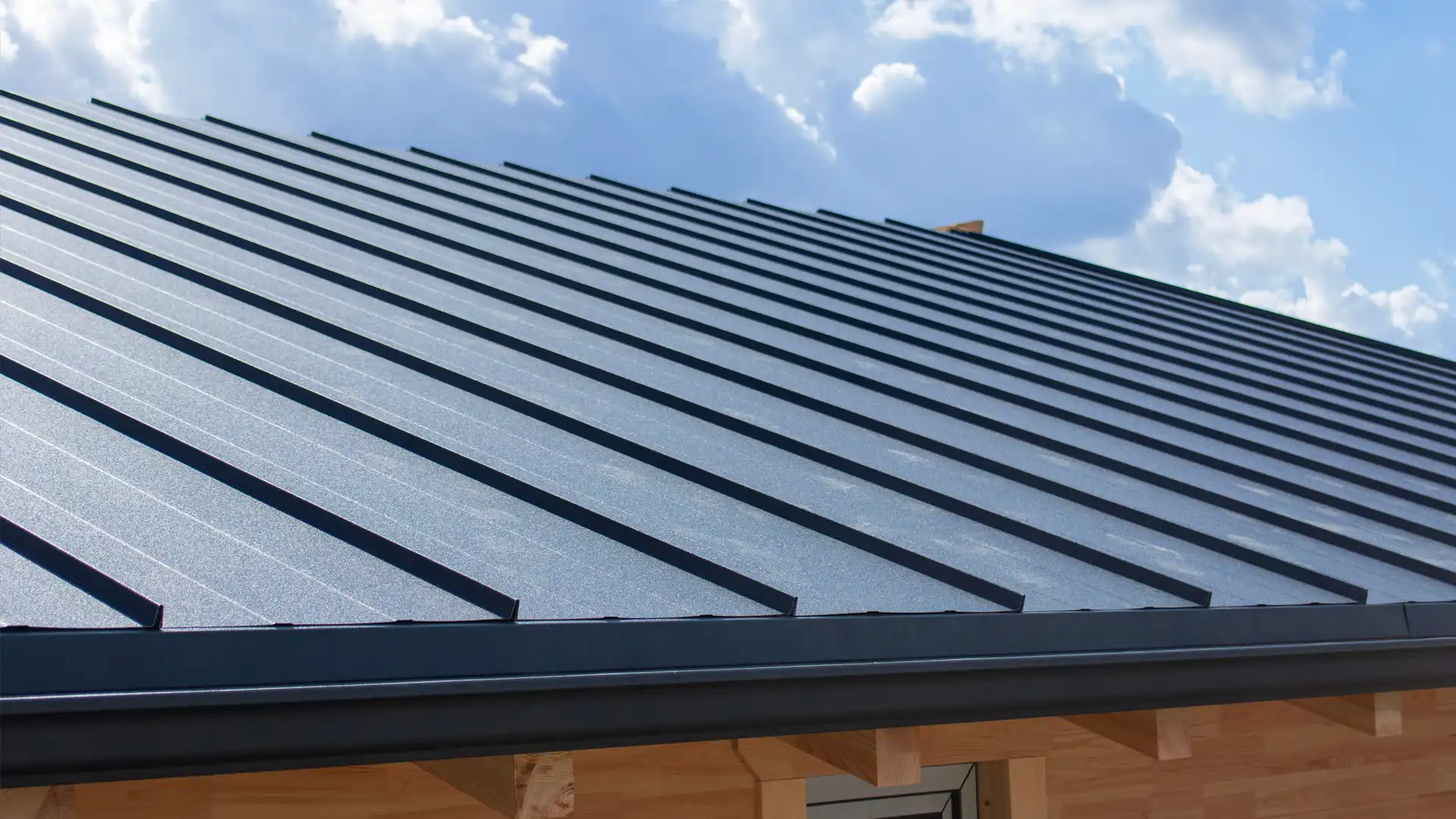
Standing seam metal is the roof system of choice for Dallas buildings where architectural appearance, longevity, and low maintenance are the priority — religious buildings, schools, redevelopment projects in Bishop Arts and the Cedars, and institutional facilities across the metro.
Standing seam metal roofing is not the right system for every Dallas commercial building. It costs more than single-ply membrane, requires more precision in installation, and is overkill for the 50,000 sq ft distribution warehouse that just needs a watertight roof for another 20 years. But for buildings where the roof is part of the architectural statement — and Dallas has a meaningful number of those — standing seam metal is the system that delivers.
We install standing seam metal on religious facilities across the DFW metro, on school construction and renovation projects, on the adaptive-reuse and redevelopment buildings coming out of Bishop Arts District and the Cedars neighborhood, and on institutional buildings where the 40-50 year system life justifies the upfront cost premium. The Bishop Arts redevelopment in particular has produced significant standing seam work — the neighborhood's emphasis on architectural integrity means that new construction and renovation tends to specify metal rather than membrane.
Our standing seam work is field-fabricated on most projects — we run the panels on-site to the required lengths rather than ordering cut-to-length panels that produce field laps. Field-fabricated panels eliminate the field seam that is the primary failure point on standing seam systems.
Galvalume (aluminum-zinc alloy coated steel) is the base specification for standing seam metal in Dallas commercial applications. The zinc-aluminum coating provides corrosion resistance that outperforms plain galvanized steel in our climate, and the natural metallic finish weathers gracefully without paint maintenance requirements. For industrial and utilitarian applications — school gymnasiums, warehouse sections, equipment enclosures — bare Galvalume is often the right spec. Typical service life on a properly installed Galvalume system in Dallas conditions is 40-50 years.
Kynar 500 (PVDF) painted systems add color and a second layer of corrosion protection. Kynar 500 is the coating specification required for 40-year finish warranties from most manufacturers — the fluoropolymer chemistry resists chalking and fading in our high-UV environment better than polyester-based coatings that degrade in 8-12 years. For the Bishop Arts and Cedars redevelopment projects where the roof is visible from street level and the color choice matters to the design, Kynar-painted panels are the standard specification.
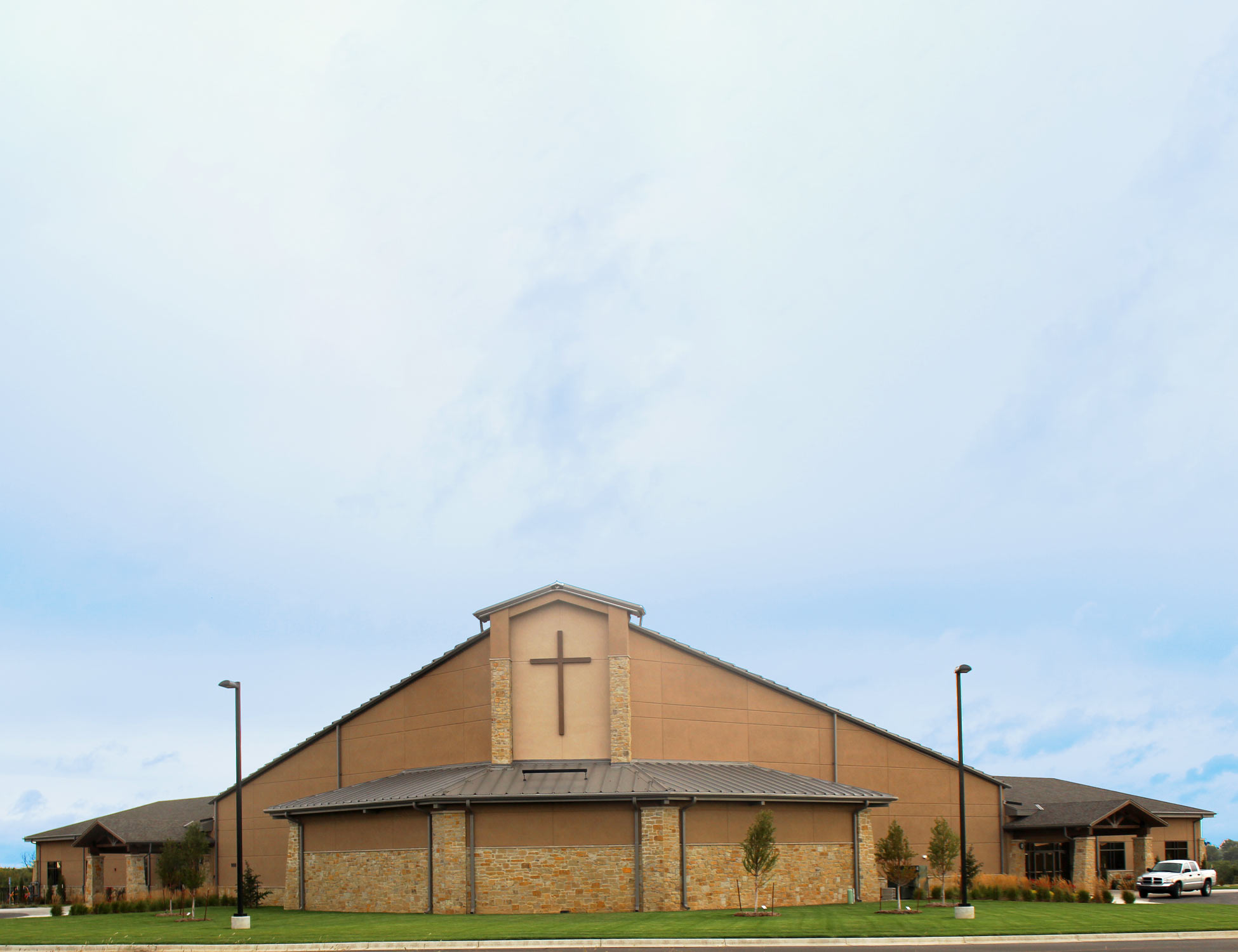
Religious facilities — churches, mosques, synagogues — are the single largest category of standing seam metal work in the Dallas metro. The combination of long building-use horizon, architectural emphasis, and congregation members who will notice if the roof looks bad in ten years makes standing seam the natural specification. We have installed standing seam systems on congregations ranging from small neighborhood churches in Oak Cliff to large campus facilities in Southlake and Flower Mound.
Religious facility projects typically involve volunteer committees in the decision-making process, extended timeline for scope approval, and close attention to visual detail — ridge cap treatment, soffit integration, penetration aesthetics — that is less prominent in purely commercial work. We are accustomed to the process and produce the visual mock-ups and material samples that these committees need to make decisions.
Standing seam metal requires installation discipline that differs from membrane work. Panel flatness, consistent seam height, thermal-movement clip engagement, and penetration flashing geometry all require precision that is more demanding than rolling out TPO and welding seams. We use manufacturer-trained installation crews on all standing seam projects and submit shop drawings for review before production begins.
Thermal movement is the detail that most distinguishes standing seam from membrane work. A 100-foot run of Galvalume panel will move more than an inch over the Dallas temperature range from winter to peak summer. The floating clip system that attaches the panel to the structure must allow for that movement — any point of restraint that prevents thermal movement will produce panel oil-canning, seam failure, or clip pull-out. We engineer the clip spacing and panel attachment against the calculated thermal movement for each project.