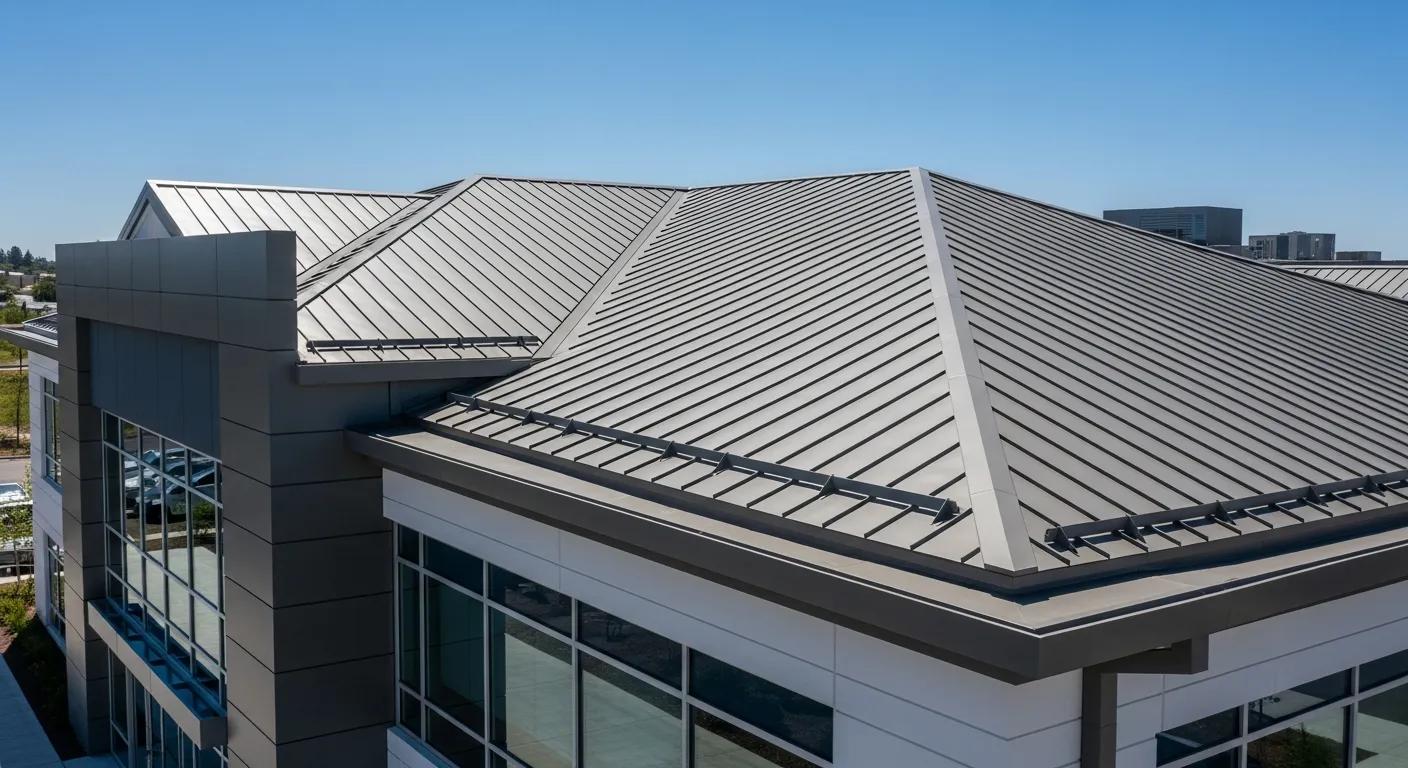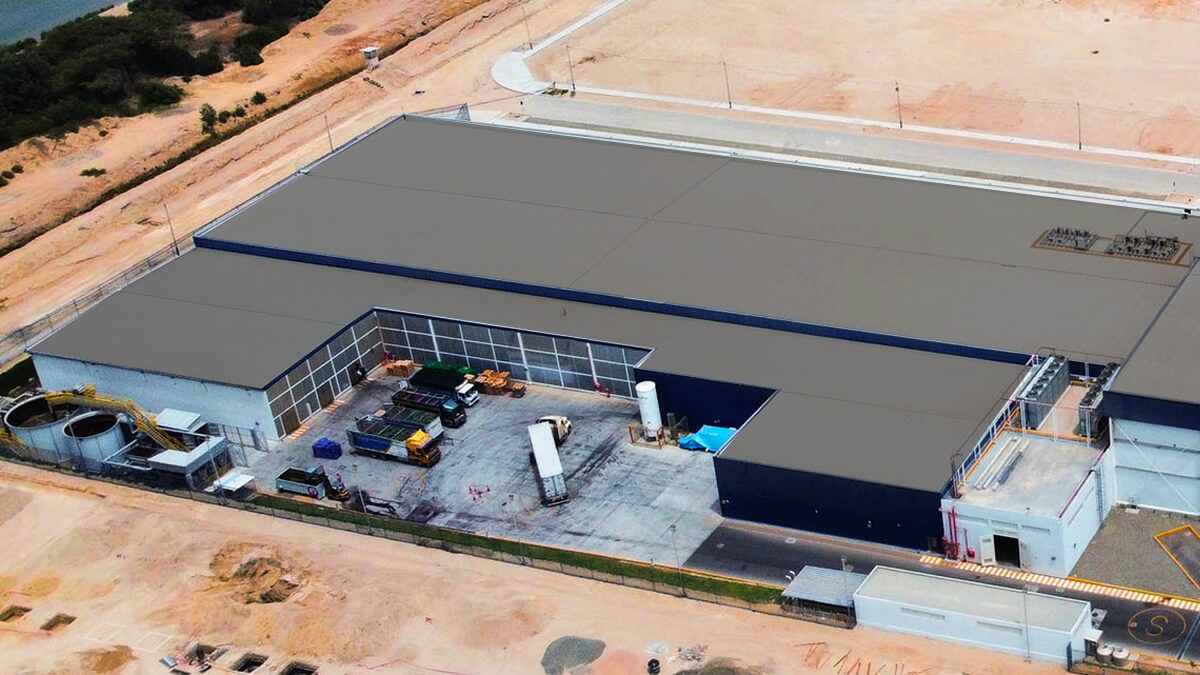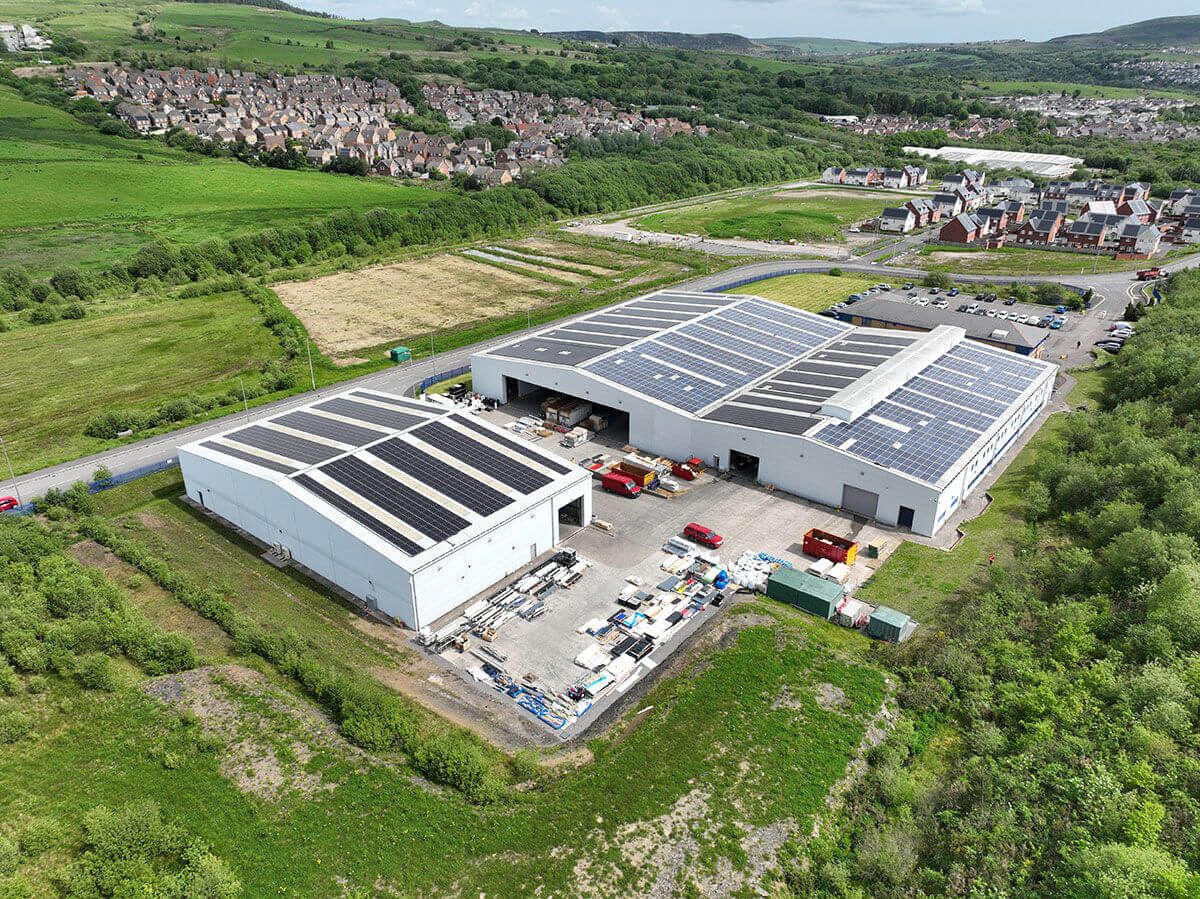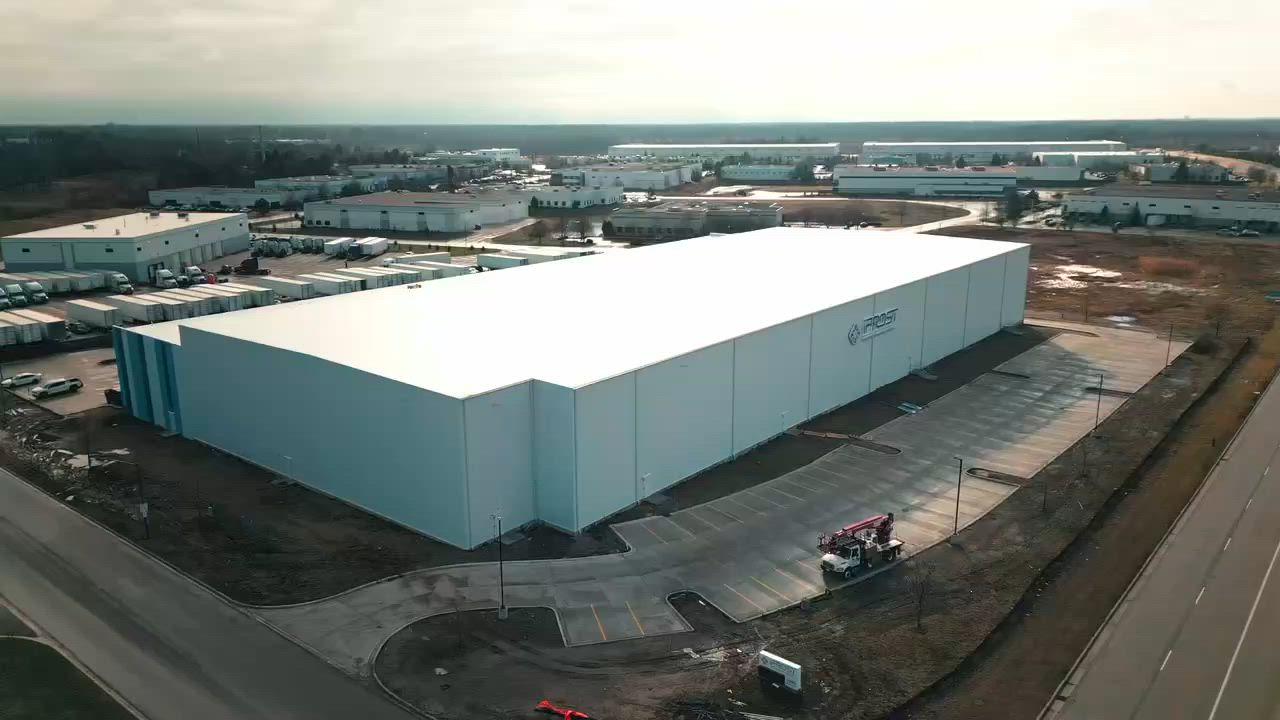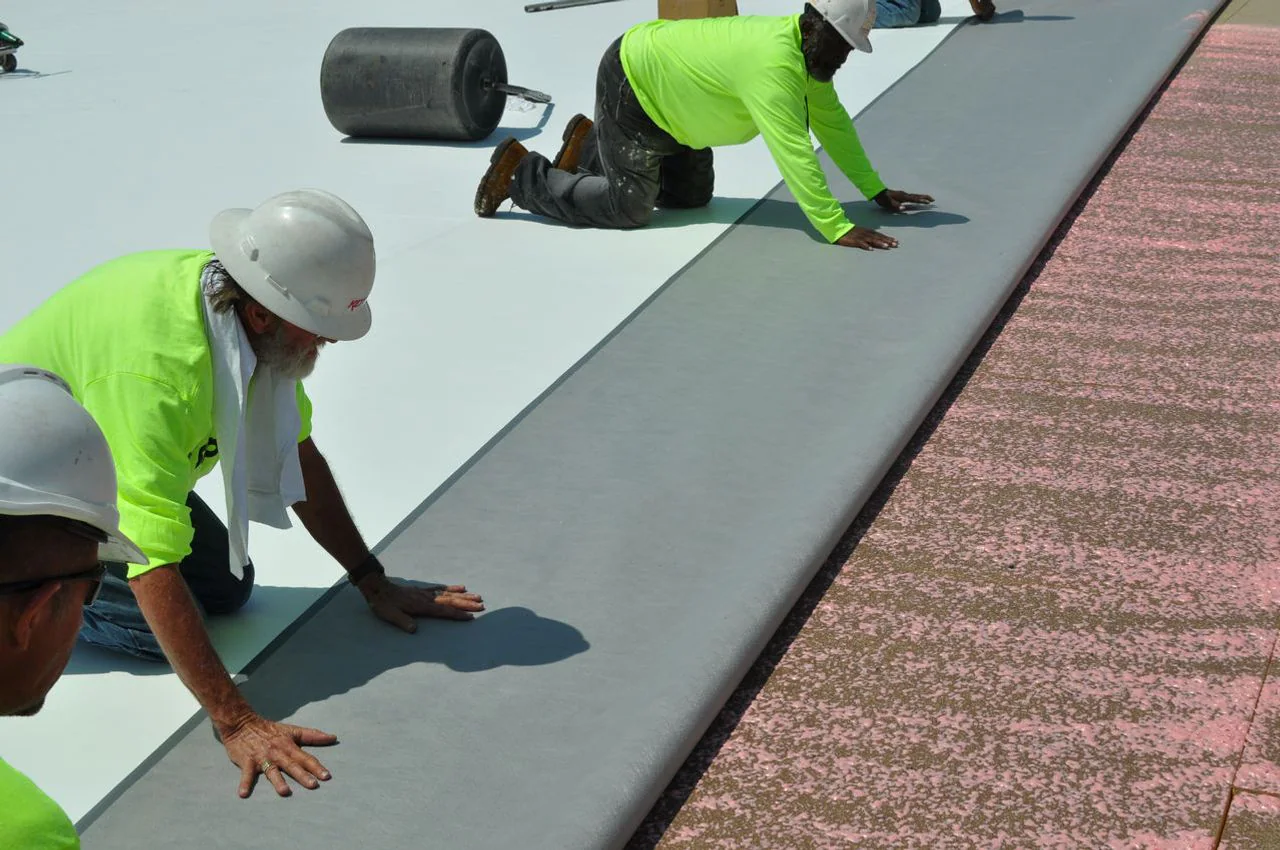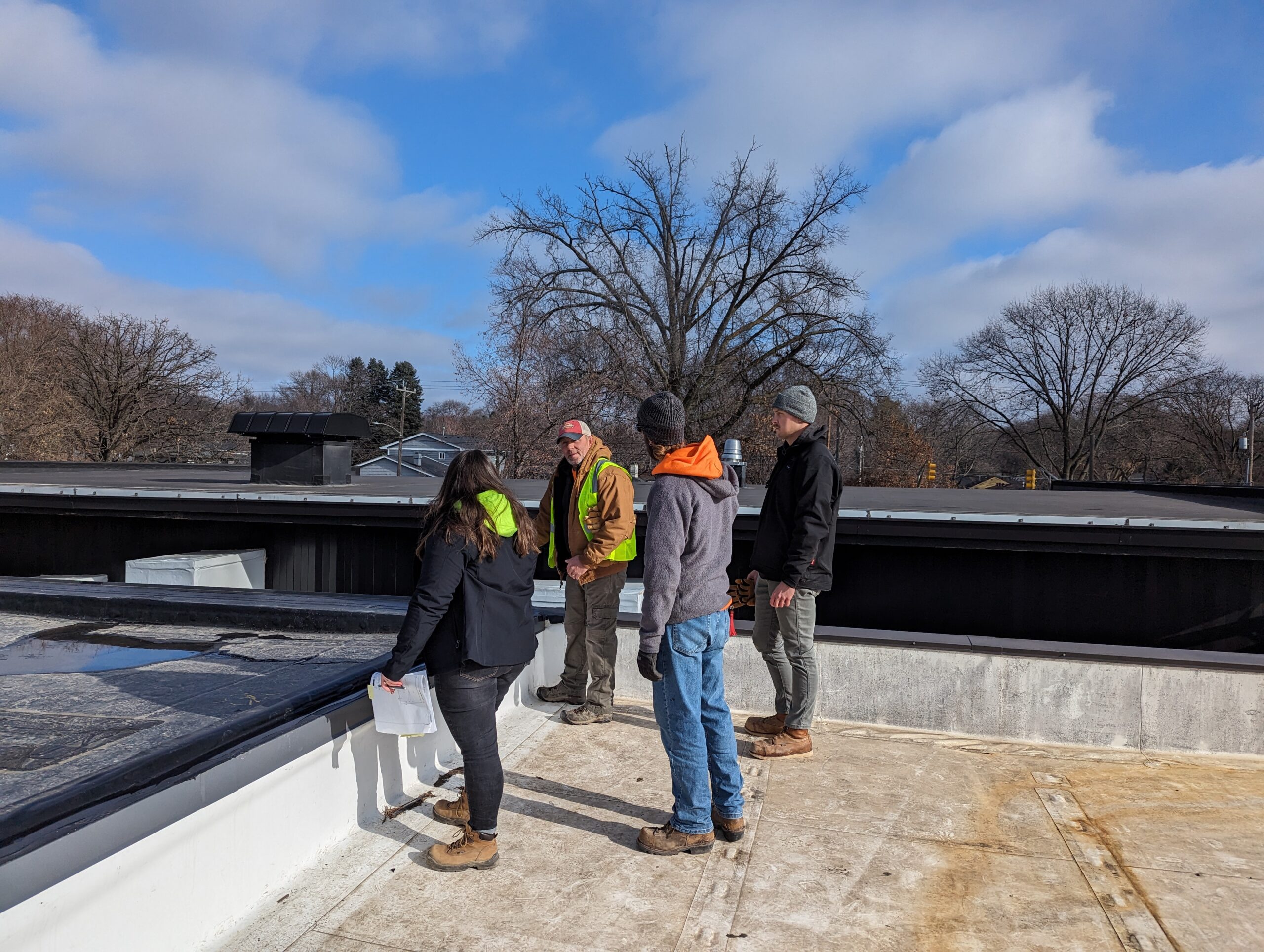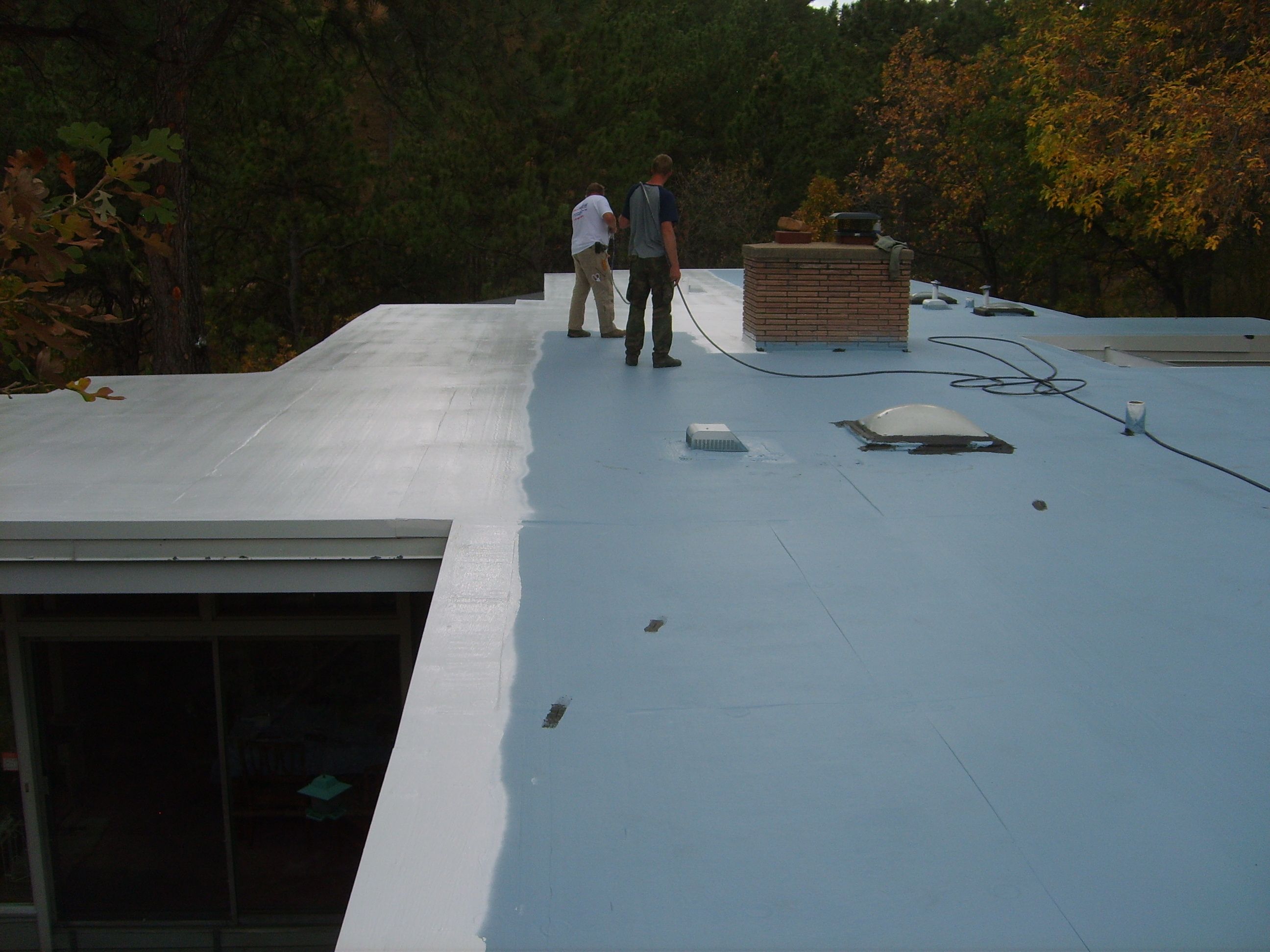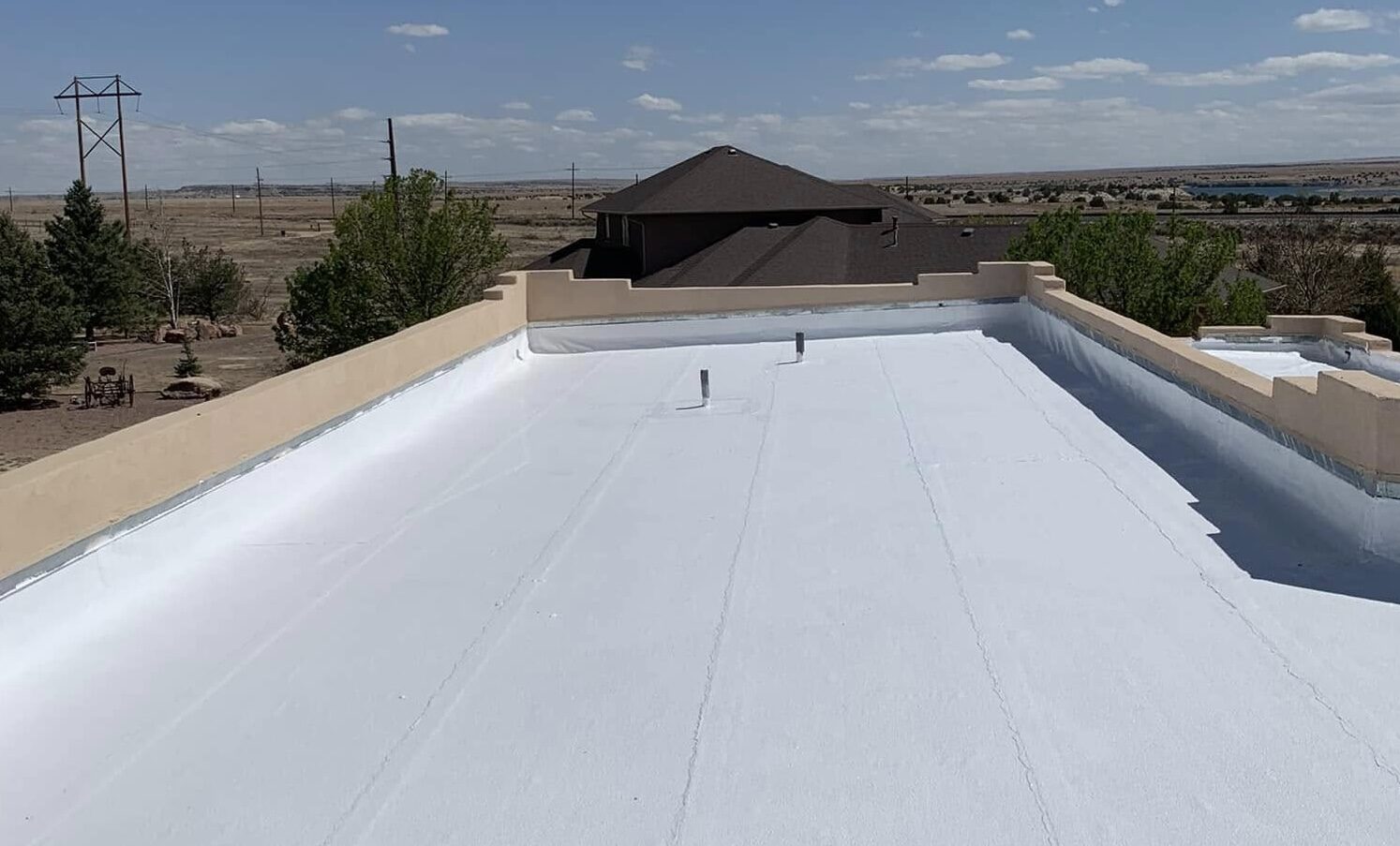
We track multi-manufacturer warranty portfolios for Dallas building owners — renewal dates, maintenance documentation requirements, inspection coordination — across the full life of every warranty your roof carries.
A 20-year no-dollar-limit manufacturer warranty on a commercial roof is worth exactly what the maintenance documentation behind it supports. Most NDL warranties from GAF, Carlisle, Johns Manville, Sika Sarnafil, and Firestone require annual or semi-annual documented inspection and maintenance to remain active. The inspection has to be performed by a credentialed applicator and the results submitted to the manufacturer's warranty desk on a specific form, within a specific window, or the warranty lapses.
Across a large Dallas commercial portfolio, these requirements compound fast. A building owner with ten properties across DFW might carry twelve to eighteen active manufacturer warranties — different manufacturers, different issue dates, different maintenance windows, different inspection forms. Missing a single reporting window can void a warranty that cost $15,000-25,000 in premium to secure at closeout. Getting it back requires a full manufacturer re-inspection and, in some cases, a remediation scope.
We manage this operationally for Dallas owners and asset managers who have too many warranty touchpoints to track internally. We hold active credentials with all major single-ply manufacturers operating in the Dallas market and we know each manufacturer's warranty desk well enough to navigate the maintenance submission process efficiently — including the escalation path when a manufacturer inspector disputes a maintenance finding.
For each active warranty, we maintain: the original warranty document and registration number, the warranty issue date and expiration date, the manufacturer's required maintenance frequency and inspection form, the credentialed applicator requirement (most NDL warranties require a manufacturer-certified contractor to perform and document the maintenance), the maintenance submission deadline and confirmation of each submission received, any open punch items from prior manufacturer inspections, and the warranty contact at the manufacturer's warranty desk.
We feed this into a calendar system that surfaces inspection and reporting deadlines 90, 60, and 30 days in advance. For Dallas properties specifically, we coordinate the inspection schedule around the two high-risk weather windows — the spring hail season (March through June) and the summer heat-stress period (July through September) — so that any storm damage or heat-related finding gets documented and submitted before the next maintenance window closes.
Owners receive a quarterly summary showing every active warranty, its status, next required action, and any open issues. This summary is formatted for capital planning: it shows which warranties are approaching renewal-eligible status (some manufacturers offer warranty extensions at the 10-year mark), which are on watch for lapses, and which buildings carry warranties that are within five years of expiration and need a capital conversation.
Every major manufacturer runs their own field inspection program. GAF's TechCrew, Carlisle's factory representative network, and Johns Manville's certified applicator program each have specific field inspection protocols that differ in meaningful ways. A Carlisle inspector will probe seams differently than a Johns Manville inspector; the flashing detail pass-fail criteria at parapets vary by manufacturer; the documentation format expected at submission is different across all of them.
We have done enough of these to know where manufacturers push back most often in the Dallas climate: flashing shrinkage at parapet walls driven by Blackland Prairie clay movement, seam stress at building expansion joints, drain-area membrane bridging from seasonal thermal cycling, and UV degradation at laps on older 45-mil TPO installed before 2010. We document these conditions proactively during maintenance visits so the owner has a defensible record if a manufacturer inspector finds one of these conditions and attempts to cite a maintenance deficiency.
When a manufacturer inspection produces a punch list, we scope the remediation and submit the completion documentation to the manufacturer's warranty desk within their required window. Punch items that sit open past the manufacturer's cure period create warranty suspension notices. We have cleared punch lists in the Dallas market from GAF, Carlisle, and Firestone, and we know the submission format each manufacturer accepts for cure documentation.