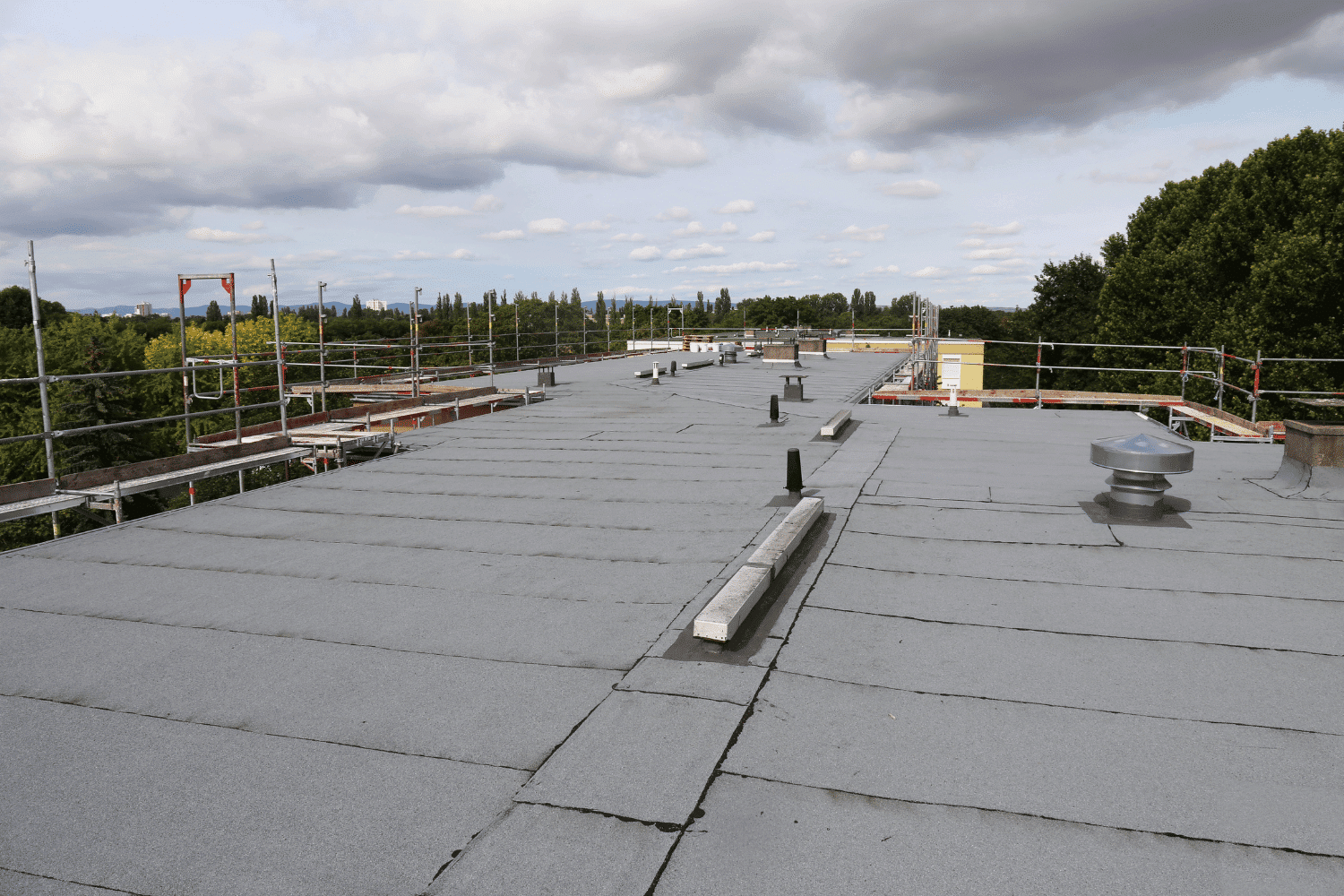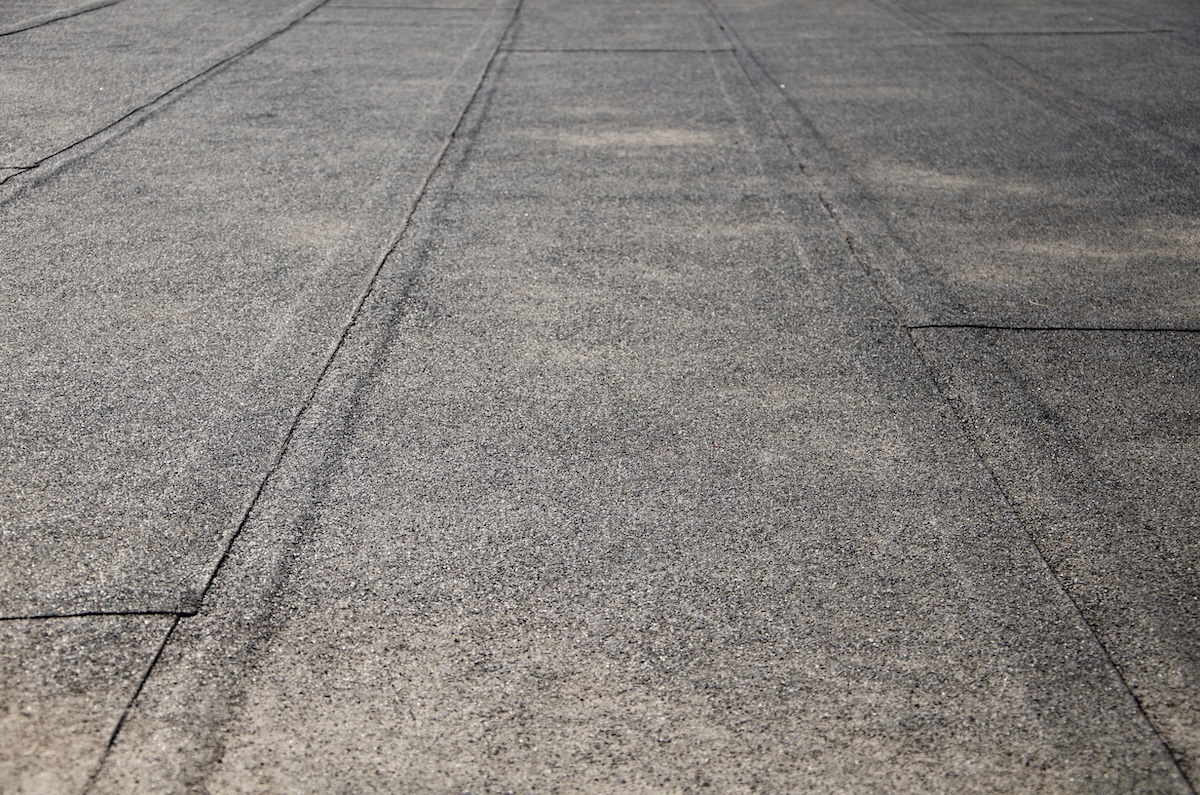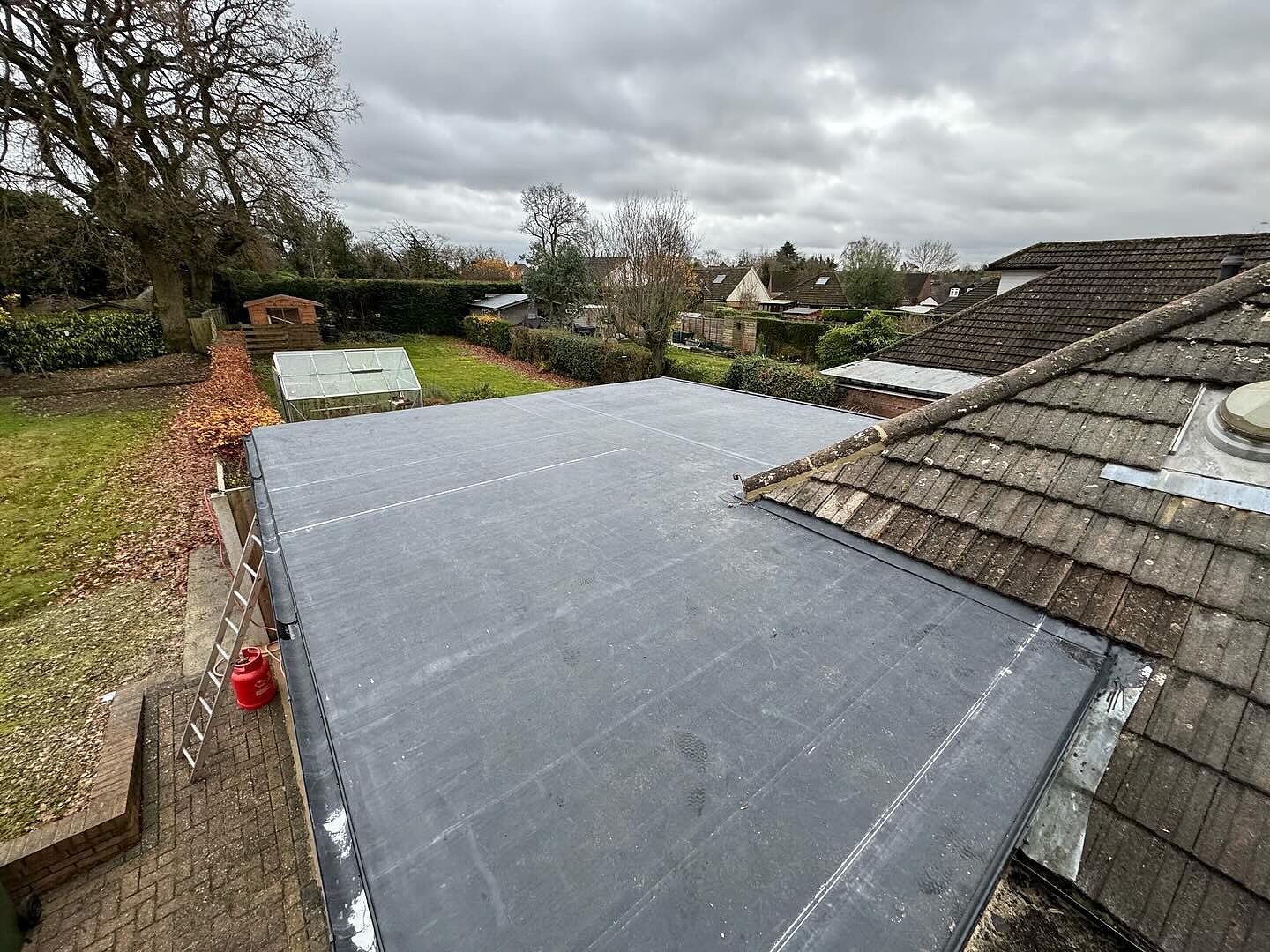
EPDM has the longest proven track record of any commercial single-ply membrane. We install new 60-mil systems and replace the end-of-life 1980s-90s EPDM that covers a substantial portion of Dallas's industrial inventory — including the Stemmons and Trinity Corridor warehouses that are hitting replacement age right now.
EPDM (ethylene propylene diene monomer) has been installed on Dallas commercial roofs since the early 1980s. The distribution centers and industrial buildings along Stemmons Freeway, Harry Hines, and the Trinity Industrial District that were built in that era frequently carry original ballasted EPDM — and those systems are now 35 to 45 years old and at or past end of life.
That aging install base is where most of our EPDM work comes from. An original ballasted EPDM system from 1985 that has been maintained adequately may still be holding water — EPDM is exceptionally durable — but it has no warranty, no documentation, and no remaining serviceable life from a capital planning standpoint. Building owners who are refinancing, selling, or reporting to investors need a documented current roof, not a 40-year-old membrane with handwritten repair receipts.
We also install new EPDM on buildings where the membrane's properties are the best fit: industrial environments with heavy mechanical rooftop traffic, buildings adjacent to chemical processing that expose the membrane to oils and solvents (EPDM handles most petroleum-based exposures better than TPO), and buildings where ballasted attachment is actually appropriate for the structural capacity and building use.
The Trinity Industrial District, the Stemmons Corridor south of Market Center, and the older industrial zones along Harry Hines Boulevard were built out heavily between 1978 and 1998. Most of these buildings received ballasted EPDM roofs — loose-laid 45-mil or 60-mil membrane with 10-12 lbs per square foot of river-wash stone ballast. That stone is still sitting on top of a lot of those roofs.
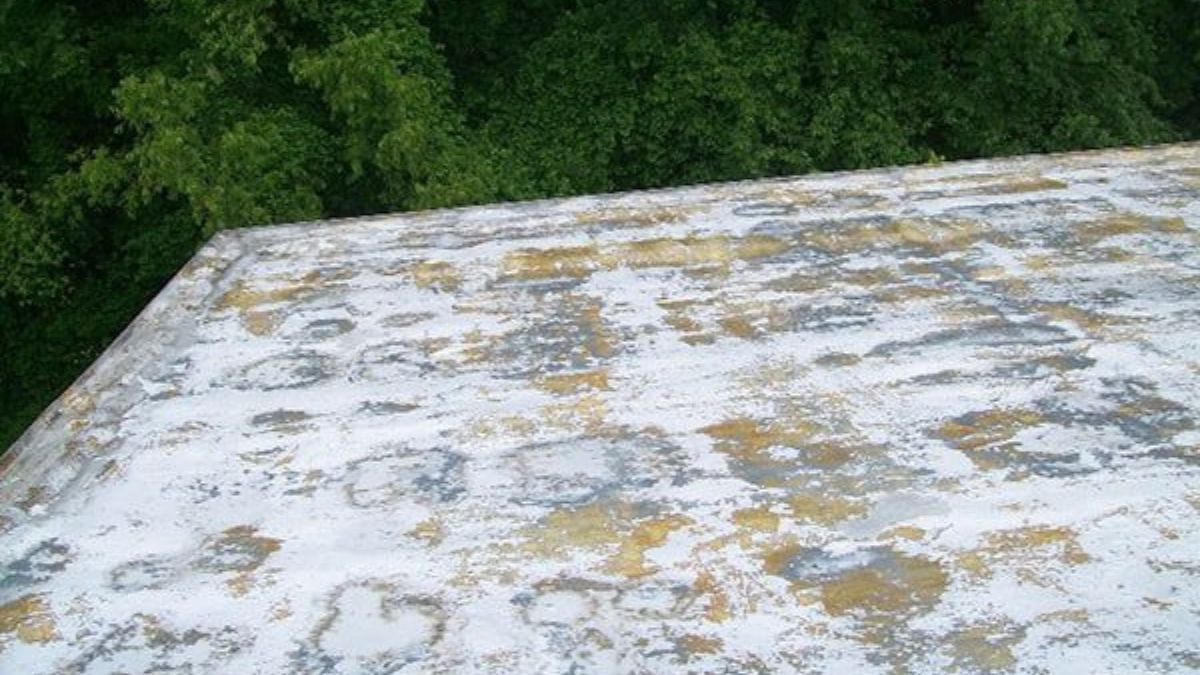
When we inspect these systems, the common findings are: EPDM membrane that has passed its oxidation date and is brittle at seams and flashings, ballast that has been redistributed by decades of wind and foot traffic (leaving some areas thin), drains that are partially buried under shifted stone, and parapet flashings that have lost their bond and are open at the termination bar. The honest assessment is usually full replacement — the membrane cannot be reliably patched, and a new recover system over wet or degraded ballasted EPDM produces a warranty that most manufacturers will not support.
Ballasted EPDM is what we are mostly removing on Dallas legacy buildings, not installing new. The system is simple: loose-laid membrane weighted down by stone. But the structural load (10-12 psf) rules out most modern buildings, and the stone makes future repairs, inspections, and eventual replacement more expensive. When we do spec ballasted on new work, it is for specific buildings — older construction with existing structural capacity, low foot-traffic industrial, and situations where the building's use prevents deck penetrations.
Mechanically attached EPDM uses a system of plates, fasteners, and battens that secure the membrane to the deck. We use this for most new EPDM installs in Dallas where wind-uplift requirements are modest and the project budget is cost-sensitive. The system installs quickly and produces a clean, consistent attachment pattern.
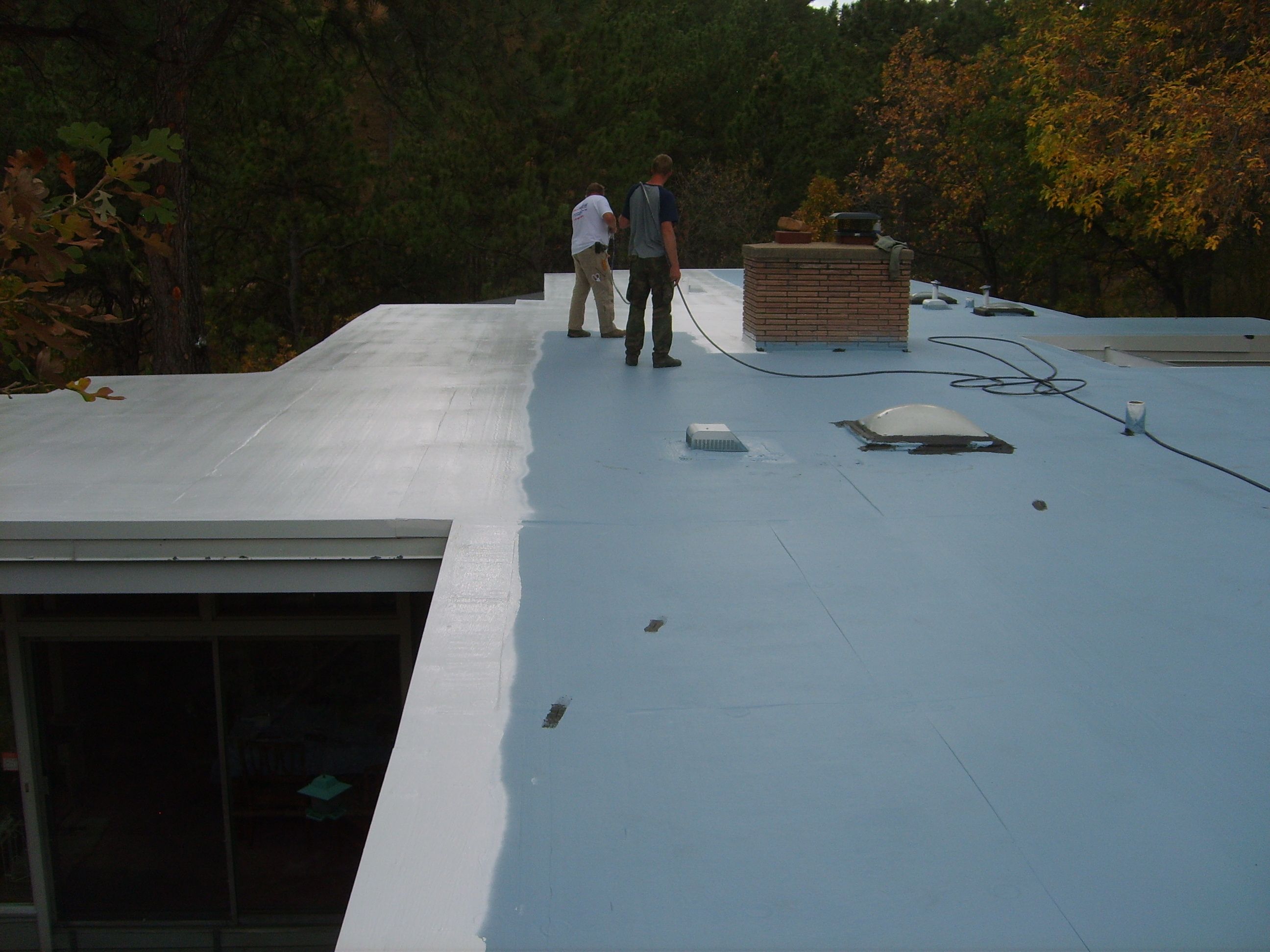
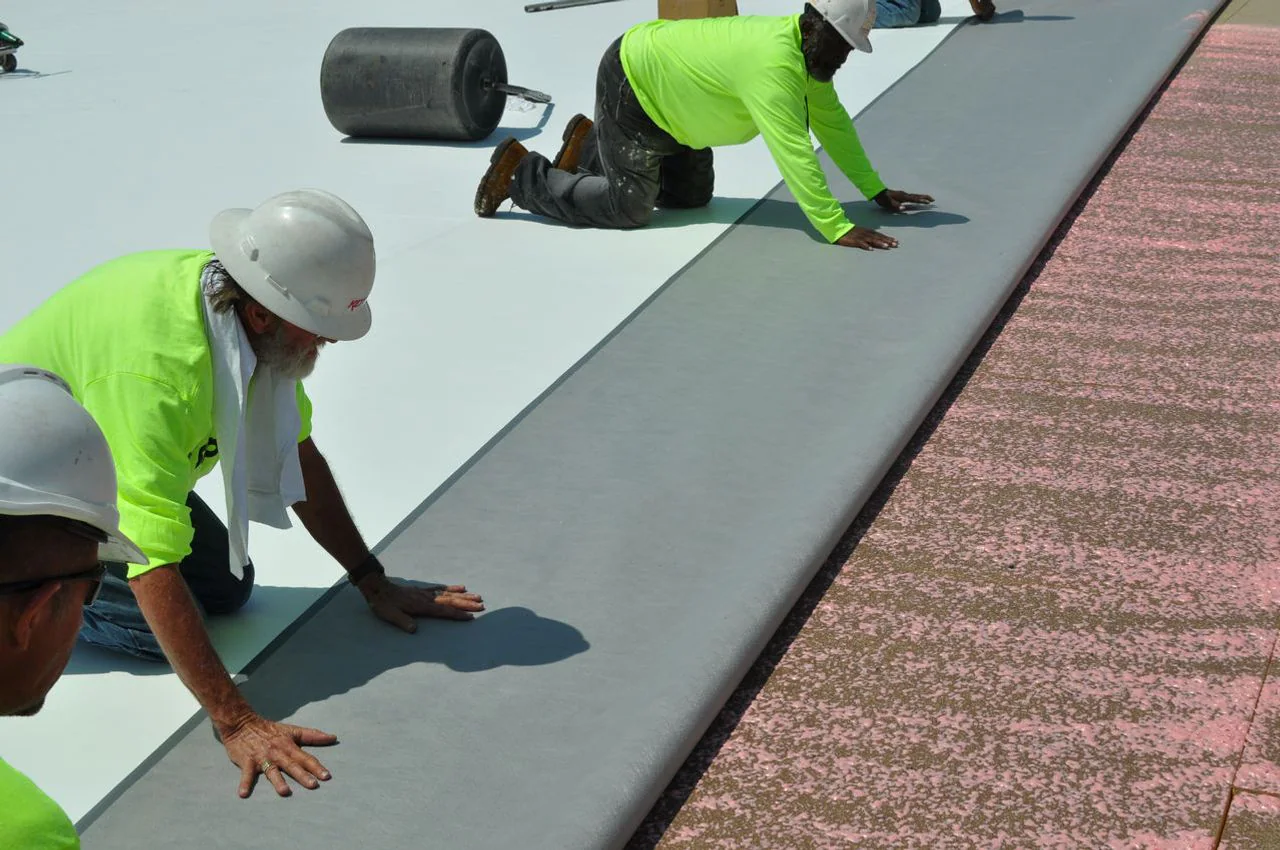
Fully adhered EPDM bonds the membrane to the substrate with contact adhesive or a water-based bonding adhesive. This is our preference on reroofs over existing cover board where we need the cleanest detail at penetrations and parapets — the adhered system eliminates the flutter that mechanically attached EPDM can develop over time in Dallas wind events.
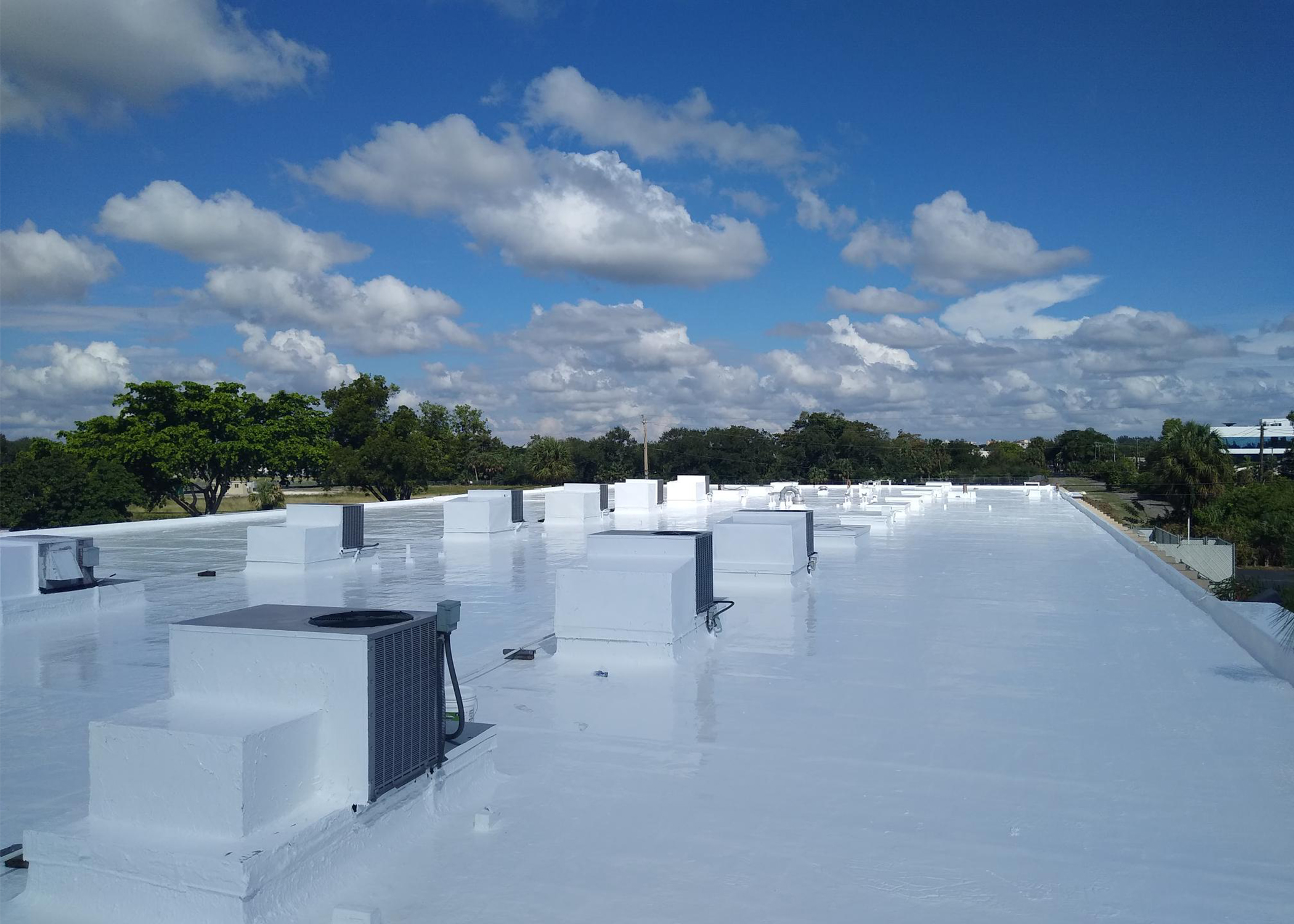
We install both, and we recommend based on the building, not on stock position. EPDM's advantages in Dallas industrial applications: better elongation at low temperatures (relevant during December-January cold snaps), better resistance to petroleum-based chemical exposure, and a proven 30+ year performance record on the install base we inspect daily. Its disadvantages: black EPDM absorbs heat aggressively (white EPDM and fleece-back systems address this but at higher cost), and seaming technology has historically been less robust than TPO's heat-weld — modern EPDM tape and liquid-applied seam adhesive has improved this substantially.