Annual and semi-annual inspections with a documented deliverable you can actually use — not a one-page form letter, but a zone-keyed photo log with scope columns that tells your maintenance team and your capital planner what is happening on the roof.
Most commercial roof inspections in Dallas get treated like a checkbox: someone climbs up, takes a few phone photos, writes a paragraph, and the owner signs off. That report is useless six months later when a flashing fails and the manufacturer warranty team asks for documentation of prior condition. It is also useless at budget season when a facilities director needs to defend a capital ask for roof replacement.
Our inspection protocol is keyed to a specific deliverable — a zone-keyed log that maps every roof section, documents every defect by zone number, and records a scope column that distinguishes between monitor, repair-now, and budget-for-replacement. Every photo is keyed to the zone diagram. Every inspection builds on the prior one, so the owner has a condition timeline rather than a snapshot.
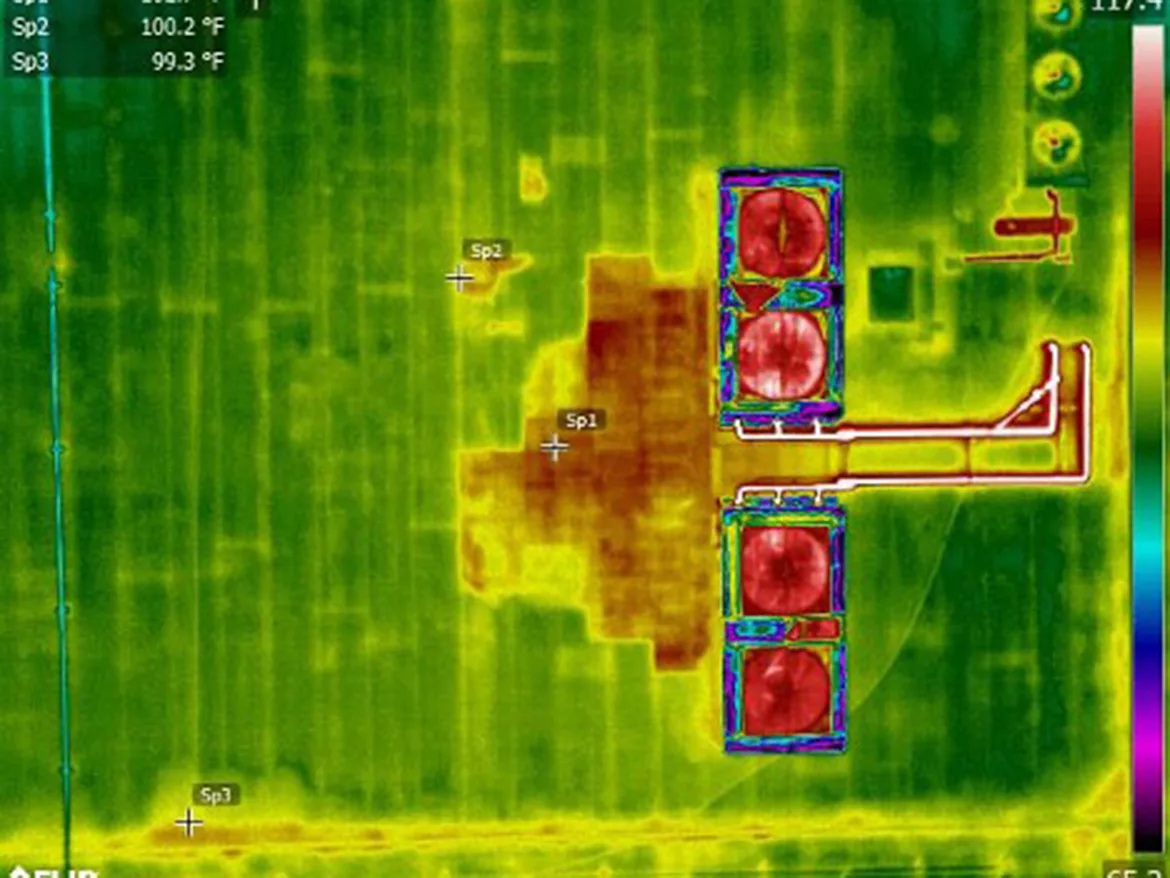
We run annual inspections on the post-winter and post-summer cycle that Dallas conditions actually demand. Post-winter (February-March) catches hail damage from fall and freeze-thaw stress at parapets and drains. Post-summer (September-October) catches membrane degradation from the sustained 160°F surface temperatures that Dallas roofs hit from June through August. If either inspection reveals moisture distribution that suggests active water intrusion into insulation, we escalate from visual inspection to moisture survey — and we tell the owner why before we schedule the additional work.
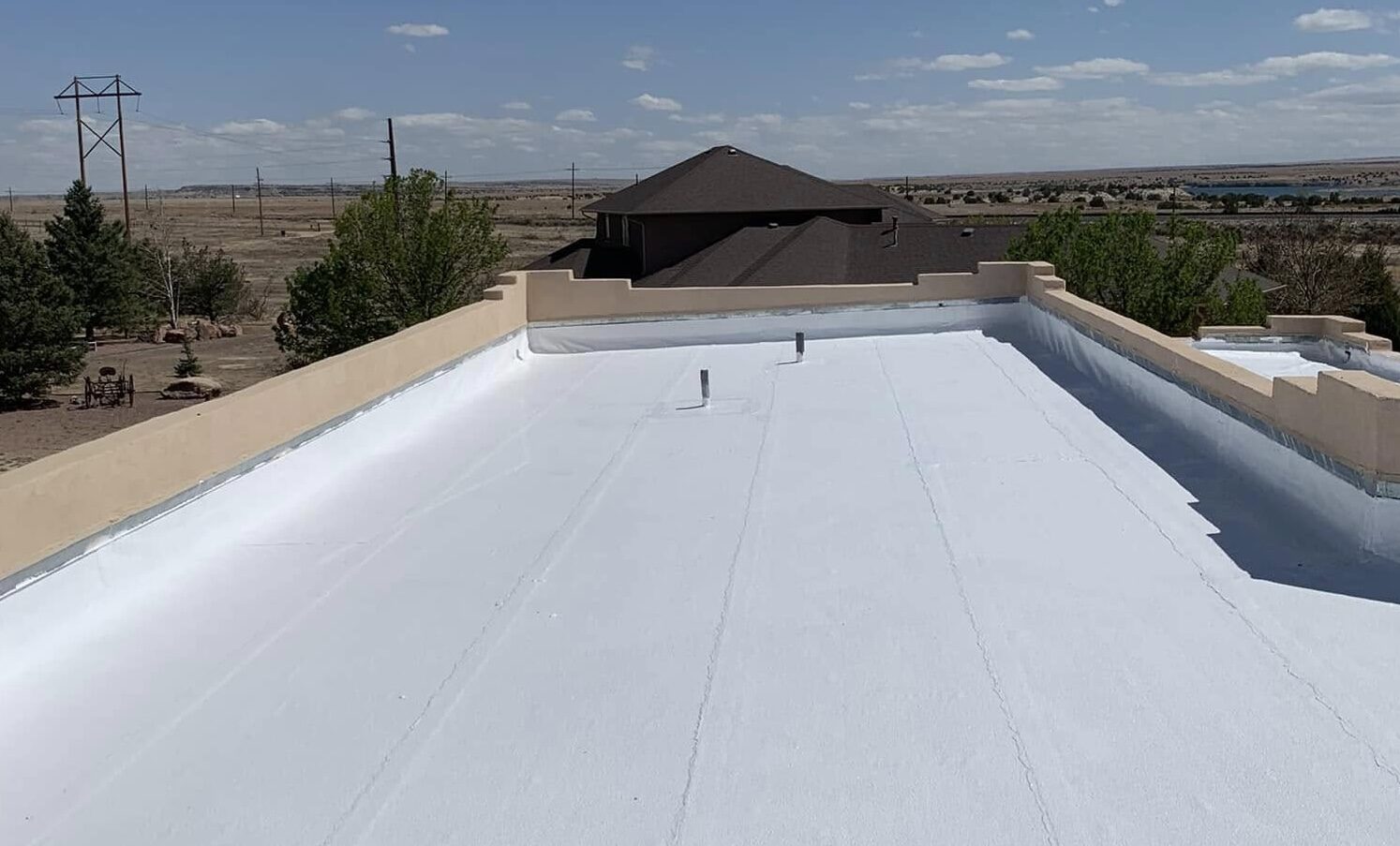
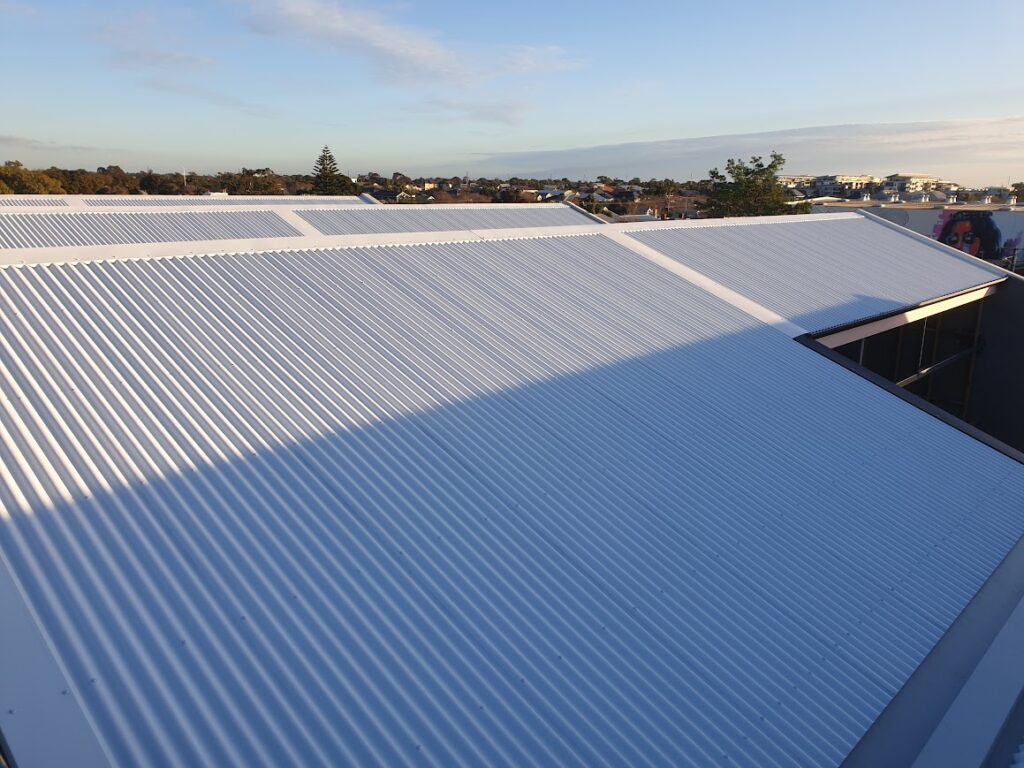
Field membrane: We photograph every visible field-membrane defect — blisters, ridges, seam lifting, surface erosion, alligatoring on modified bitumen, and any penetration in the membrane surface. We walk every zone in the roof diagram and photograph its condition, including sections that are in good condition, because the absence of defect is also documentation.
Flashing at every transition: Parapet flashings, penetration flashings, curb flashings at rooftop units, expansion joint flashings, pitch pans — every transition is photographed individually and logged against the zone. Flashing failure is where most Dallas commercial roofs leak, and it is also where most manufacturer warranty denials originate when the owner cannot document that the flashing was in acceptable condition before the failure.
Drains: We photograph every drain surface, remove debris, and note standing water patterns. Dallas's Blackland Prairie clay drives seasonal structural movement that misaligns drains over time. We note drain elevation relative to the surrounding membrane and flag any drain that is holding water at inspection time — ponding water accelerates membrane degradation and is a specific exclusion in most manufacturer warranties.
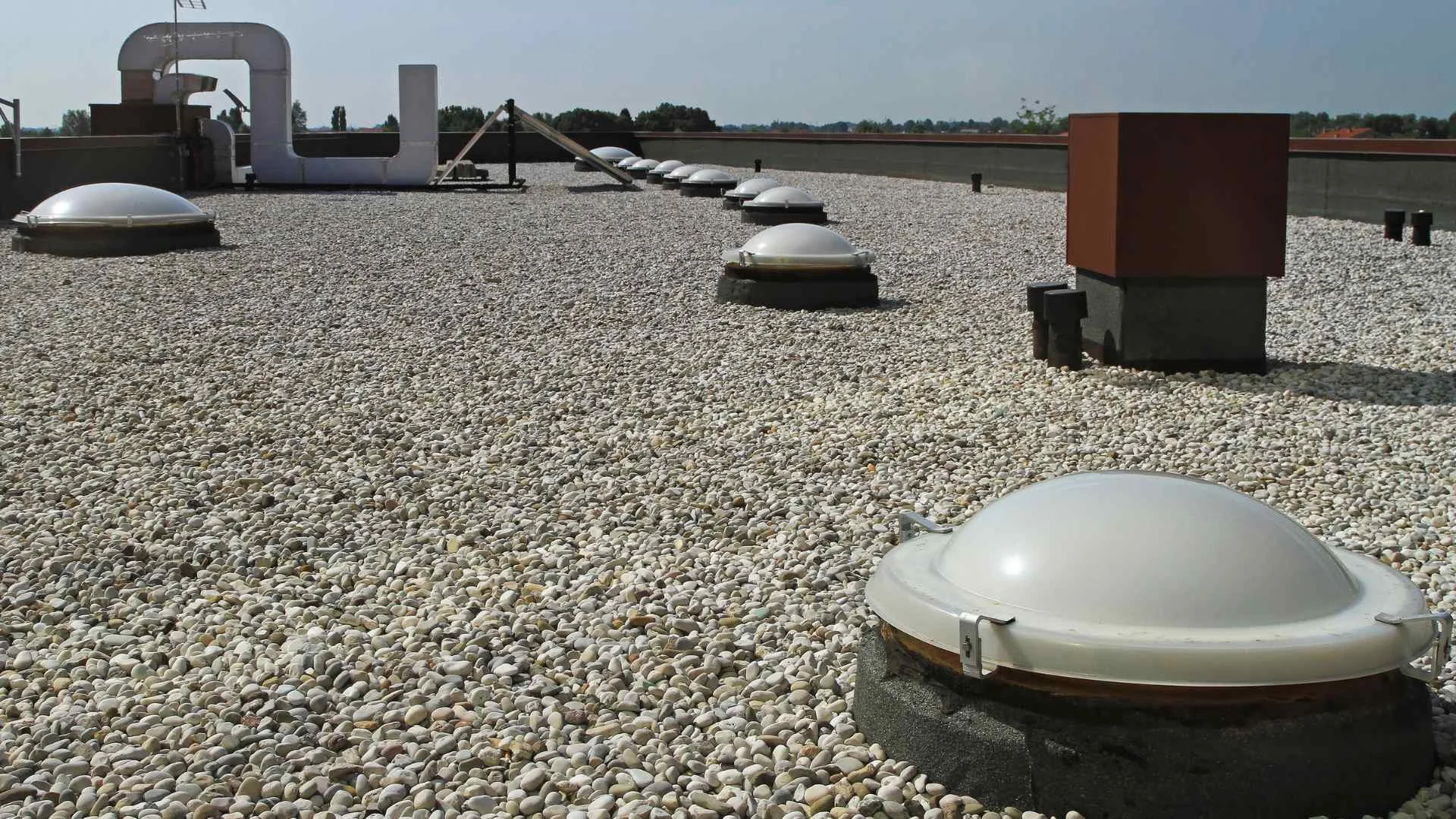
Rooftop equipment: We photograph HVAC curb conditions, unit base flashings, condenser line penetrations, and access ladder anchors. We note any equipment that has been repositioned or added since the prior inspection, since field-installed penetrations that do not follow the manufacturer's detail are a common warranty-denial trigger.
Every inspection produces a zone diagram with numbered zones mapped to the building's actual roof layout, a photo log organized by zone number, and a condition matrix with scope columns. The scope columns are: (1) No action — document and monitor; (2) Repair now — repair within 30 days to prevent further deterioration or warranty exposure; (3) Budget for replacement — this area is at or past serviceable life and should be in next year's capital plan.
The zone diagram is the document that survives ownership transitions. We have clients who are on their third property owner since we started maintaining the inspection record. The new owner's due-diligence team gets the full inspection history — not just the latest report — and can see how conditions have changed over time. That continuity is not possible with a one-page summary.