We apply a documented decision framework to the recover-or-replace question on aging Dallas commercial roofs — moisture survey, deck condition, warranty status, and capital horizon — and deliver a written recommendation the owner can take to a capital committee.
The replacement-vs-recover decision is the highest-stakes choice in commercial roof asset management. A recover option at 40-50% of full replacement cost is only worth taking if the existing insulation is dry, the deck is sound, and the capital horizon supports the extend-now, replace-later strategy. A recover on wet insulation traps the moisture, accelerates deck deterioration, and voids the new warranty — converting a $300,000 recover project into a $600,000 emergency replacement four years later.
We apply a structured decision framework to this question on every aging Dallas commercial building we assess. The framework is not a sales tool — we have recommended recovers on buildings where a replacement would have generated more project revenue for us. The recommendation goes where the data goes. Dallas owners and asset managers use our replacement-vs-recover analysis as a capital planning input because they trust that the recommendation is based on field data, not preferred project size.
The deliverable is a written report with the supporting data: moisture survey results, deck condition findings, warranty status documentation, and capital horizon analysis. The report is formatted so the owner can take it to a capital committee, a lender, or a board without needing us in the room to explain it.
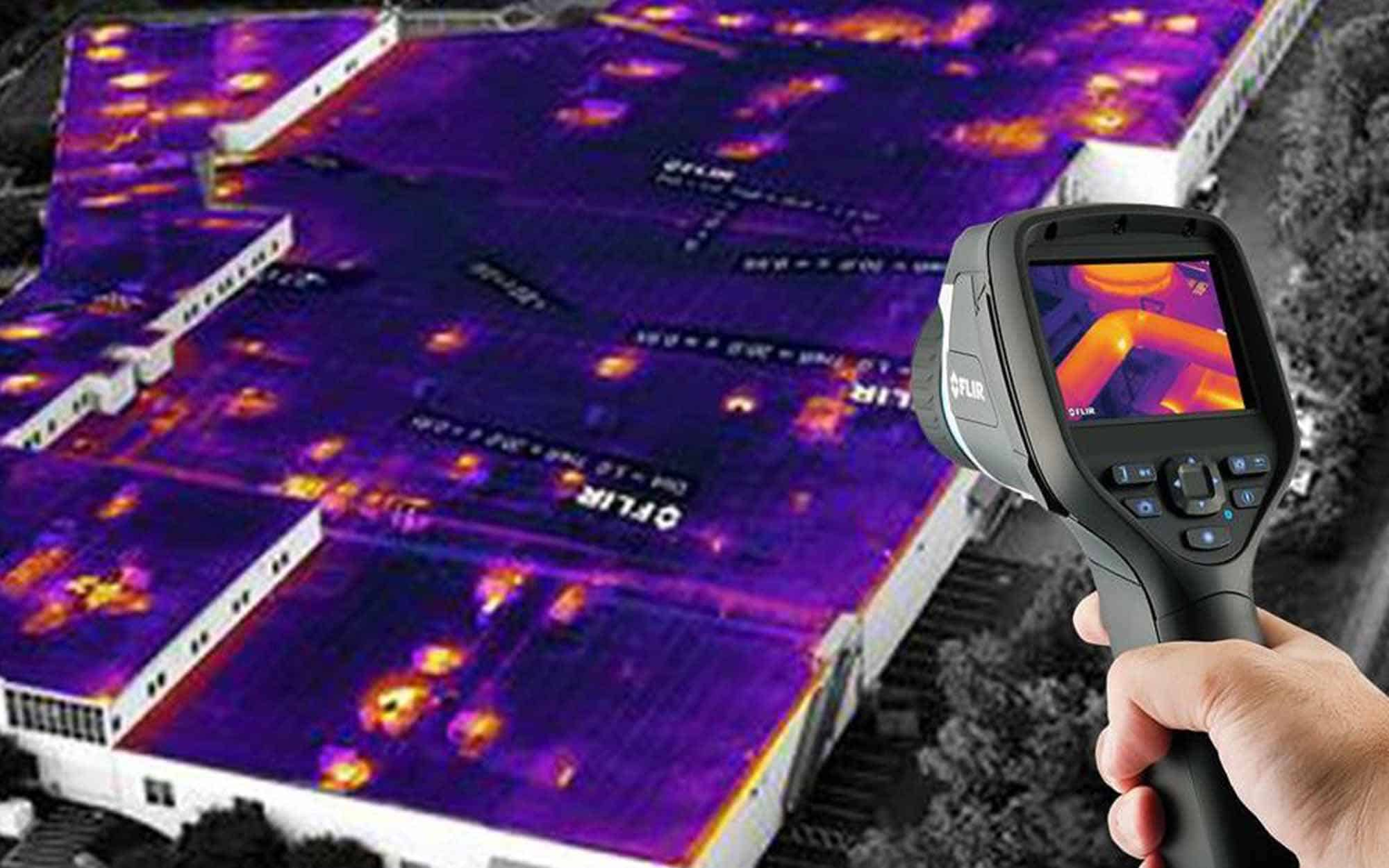
Part 1 — Moisture distribution: We core the existing roof system at a density of one core per 2,000-3,000 sq ft of roof area, with additional cores at known wet areas identified by prior leak reports or infrared scan results. Each core is measured with a calibrated moisture meter and photographed. We record the location, moisture reading, and condition of each layer sampled. If more than 20-25% of the roof area is wet (our threshold, which matches most manufacturer recover-warranty requirements), we recommend replacement. If under 20%, the recover path is moisture-viable. Between 20-25%, the decision depends on the distribution — concentrated wet areas that can be surgically removed and replaced during recover versus diffuse saturation across the field are materially different situations.
Part 2 — Deck condition: Wet insulation that has been wet for an extended period eventually compromises the deck underneath it. On metal deck buildings (the majority of Dallas commercial construction from 1980 forward), we pull inspection ports at wet core locations and at any visible deck deflection points. Corroded metal deck — especially at drain sumps and at parapet-adjacent fields where water channels — fails the recover path. A building with 15% wet insulation but corroded deck under the wet areas needs full replacement plus deck repair, not a recover. On wood deck buildings (older Dallas strip retail and some restaurant construction), rot under wet areas is the determining condition.
Part 3 — Warranty status: An active manufacturer warranty on the existing system is a material factor. Some manufacturer warranties provide warranty credit toward a new manufacturer warranty when the existing system is still in-warranty at recover time — Carlisle, for example, offers warranty term credit under specific conditions. We document the existing warranty status, remaining term, and whether the recover path qualifies for any warranty credit or continuation from the current manufacturer.
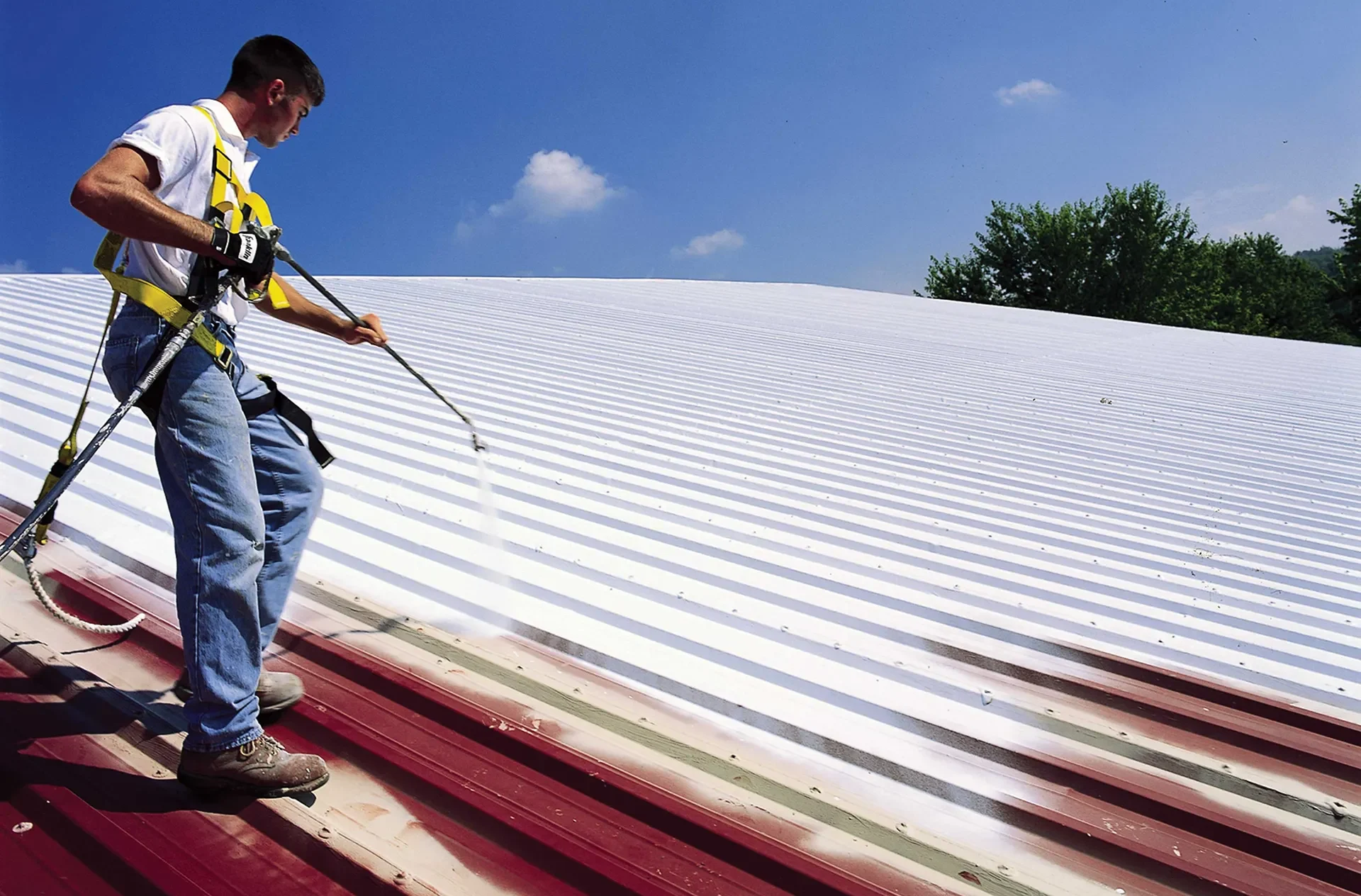
Part 4 — Capital horizon: Recover extends asset life typically 10-15 years depending on the recover system (silicone coating: 10-15 years; single-ply recover over existing: 15-20 years). The capital horizon analysis asks: when does the owner plan to sell, refinance, or schedule the next major capital event? If the capital horizon is 8 years, a recover that extends asset life 15 years is the right call. If the horizon is 18 years and a recover will need to be replaced in year 15, a full replacement now might be more capital-efficient than two events in the same planning window.
Hail exposure history: Buildings in the DFW hail belt that have taken two or more documented hail events without comprehensive hail-damage assessment may have cover board or membrane damage that a moisture survey does not detect. We pull cores and cut inspection panels at hail-suspect areas before finalizing the recover recommendation. A recover system applied over hail-damaged insulation inherits the compression damage.
Blackland Prairie clay movement: Dallas commercial buildings on expansive clay foundations see more parapet and expansion joint movement than the manufacturer's standard flashing details are designed for. On a recover decision, we assess whether the existing flashing conditions at parapets can be remediated to recover-warranty standards or whether the flashing conditions alone require a more extensive scope that narrows the cost advantage of the recover path.