A condition report is only useful if it is specific enough to act on. Every report we produce includes a zone diagram, a photo log keyed to the diagram, and scope columns that tell you what to do and when — at one of three depth tiers depending on how the report will be used.
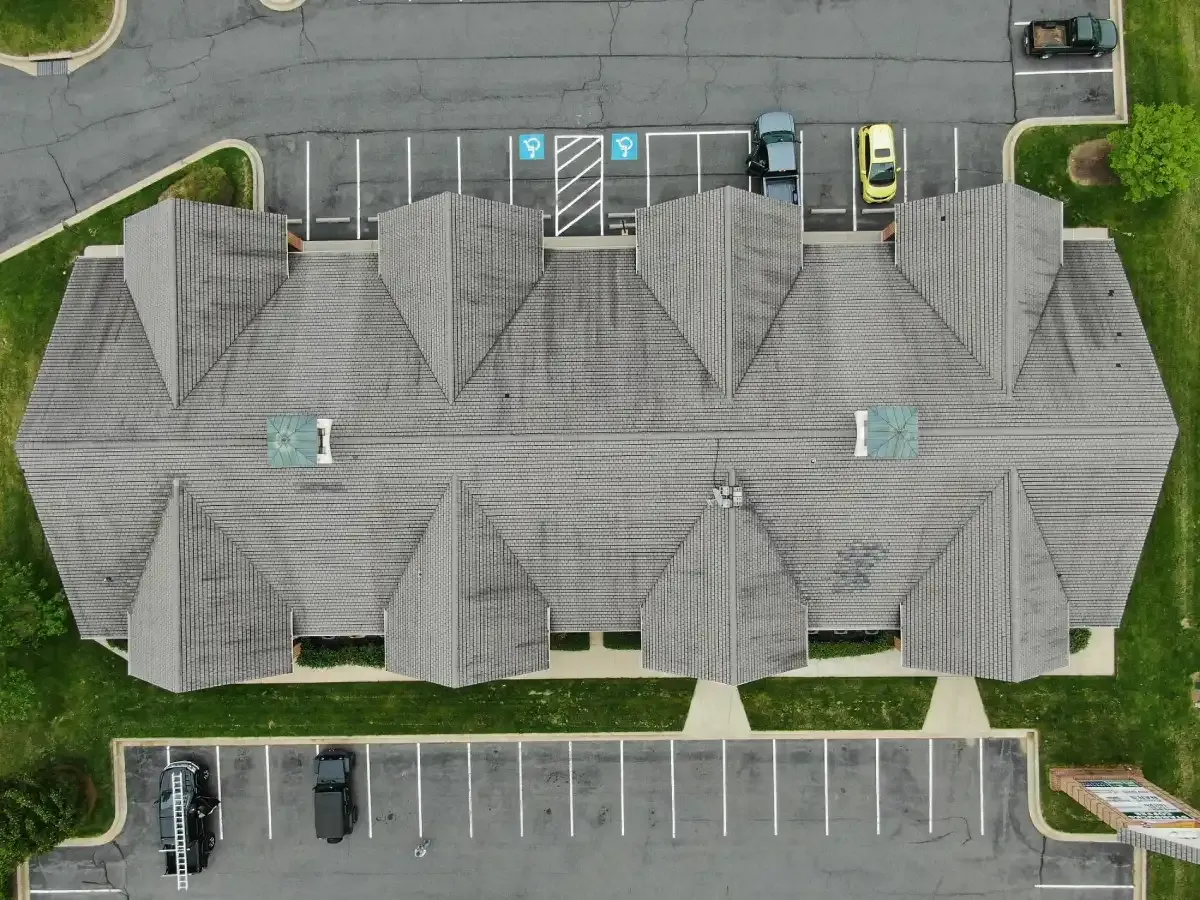
Our condition reports are based on a zone diagram that defines the reference system. Every roof we report on gets divided into numbered zones based on physical boundaries — expansion joints, roof drains, mechanical curb clusters, parapet returns. Every photo in the report is keyed to a zone number. Every defect observation is logged against its zone. The scope columns — monitor, repair now, budget for replacement — are assigned at the zone level.
This format makes the report comparable to the next one we produce on the same building. It makes the report usable in a capital planning conversation because the zone-level condition ratings aggregate to a building-level score. And it makes the report usable in a warranty claim because the photo evidence is tied to a specific, repeatable reference system that the manufacturer's field rep can navigate.
Basic tier: Zone diagram, photo log with zone keys, condition rating per zone (1-5 scale), and scope column (monitor / repair-now / budget-replace) per zone. No written narrative sections. Appropriate for ongoing maintenance documentation on buildings where the condition is stable and the purpose is warranty maintenance records. Turnaround is 3-5 business days after the site visit.
Comprehensive tier: Everything in the basic tier plus written narrative sections for each area of concern, manufacturer detail references for each flashing defect (citing the applicable manufacturer's published detail), and a building-level summary with an aggregate condition score. Appropriate for buildings in the repair or replacement planning phase, for insurance claim support, and for warranty claim support. Turnaround is 5-7 business days after the site visit.
The zone diagram is produced at the time of the first report and updated at each subsequent inspection if the building's roof configuration changes. It is keyed to the building's actual roof layout — not a generic template — and annotated with zone numbers, drain locations, mechanical equipment positions, and access points.
The diagram travels with the building. When a Dallas commercial property changes hands, the zone diagram and the full inspection history under it are transferable documentation. A new owner's due-diligence team can request the full condition record. A new facility director can orient themselves to the roof without starting from scratch. We have buildings in our condition record that have had two or three ownership transitions — the condition record has more institutional memory about the roof than any single person associated with the building.
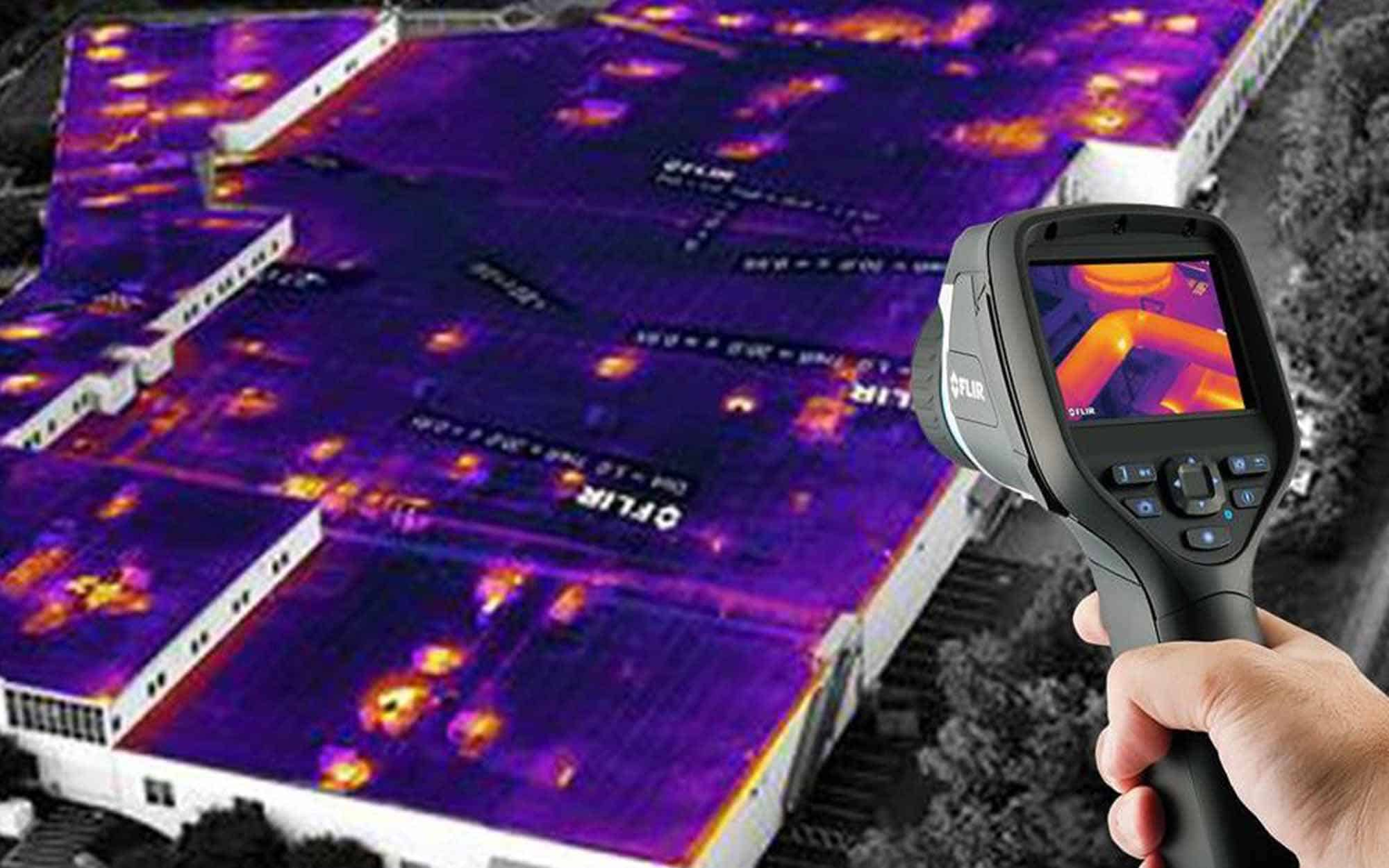
A visual condition report is the right document for most inspection and maintenance purposes. It is not the right document when the capital decision depends on knowing how much of the insulation is saturated. If the scope decision is recover versus replace, a visual report can tell us where the membrane is degraded, but it cannot tell us how much of the insulation is wet. That determination requires moisture survey — either core sampling or infrared scanning or both.
We are explicit about this distinction in every capital-grade report. If the condition data we gathered during the site visit is sufficient to support the decision at hand, we say so. If the decision requires moisture data that visual inspection cannot provide, we say that too — and we explain what the moisture survey would involve and what it would cost.
Structurally and in purpose. A home inspection report is a liability-limiting document — the inspector lists everything they can see so the buyer has disclosure and the inspector has protection. Our condition reports are operational documents. They are formatted to support specific decisions: what to repair, what to budget, how to defend a capital ask, how to support a warranty claim. The zone diagram, scope columns, and cost bands are all features that a residential inspection report does not have because it does not need to serve those purposes.