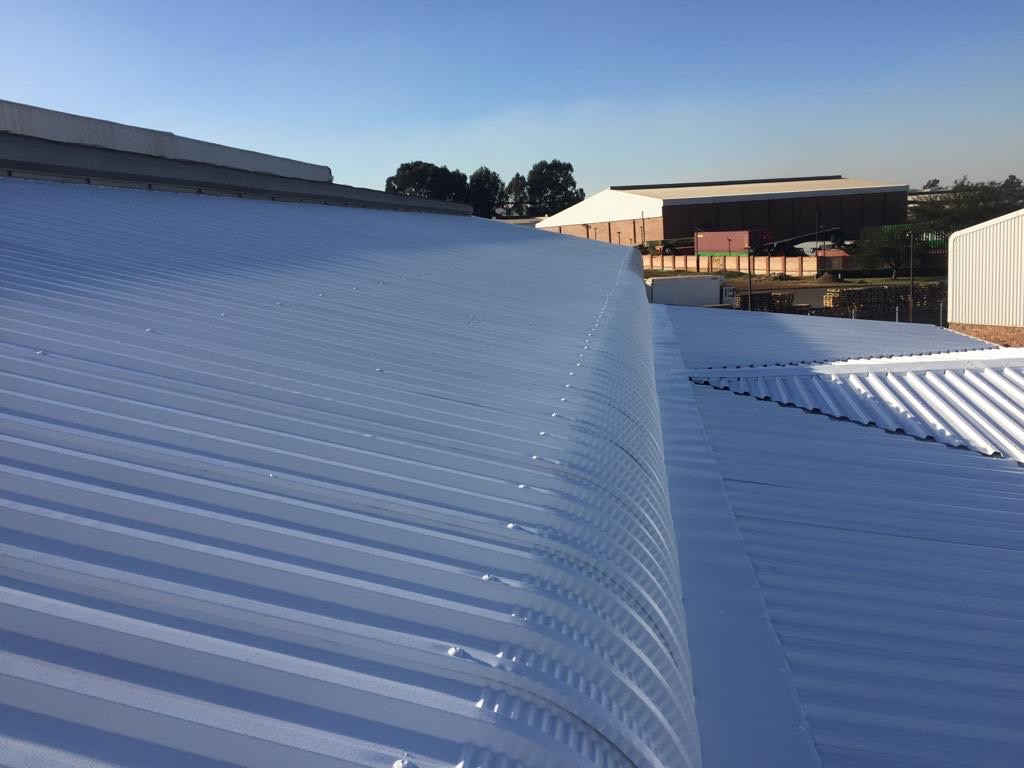
Fluid-applied silicone coatings on qualifying Dallas flat roofs — 20-year manufacturer warranty paths, significant capital savings versus replacement, and an honest assessment of whether your roof can support the system.
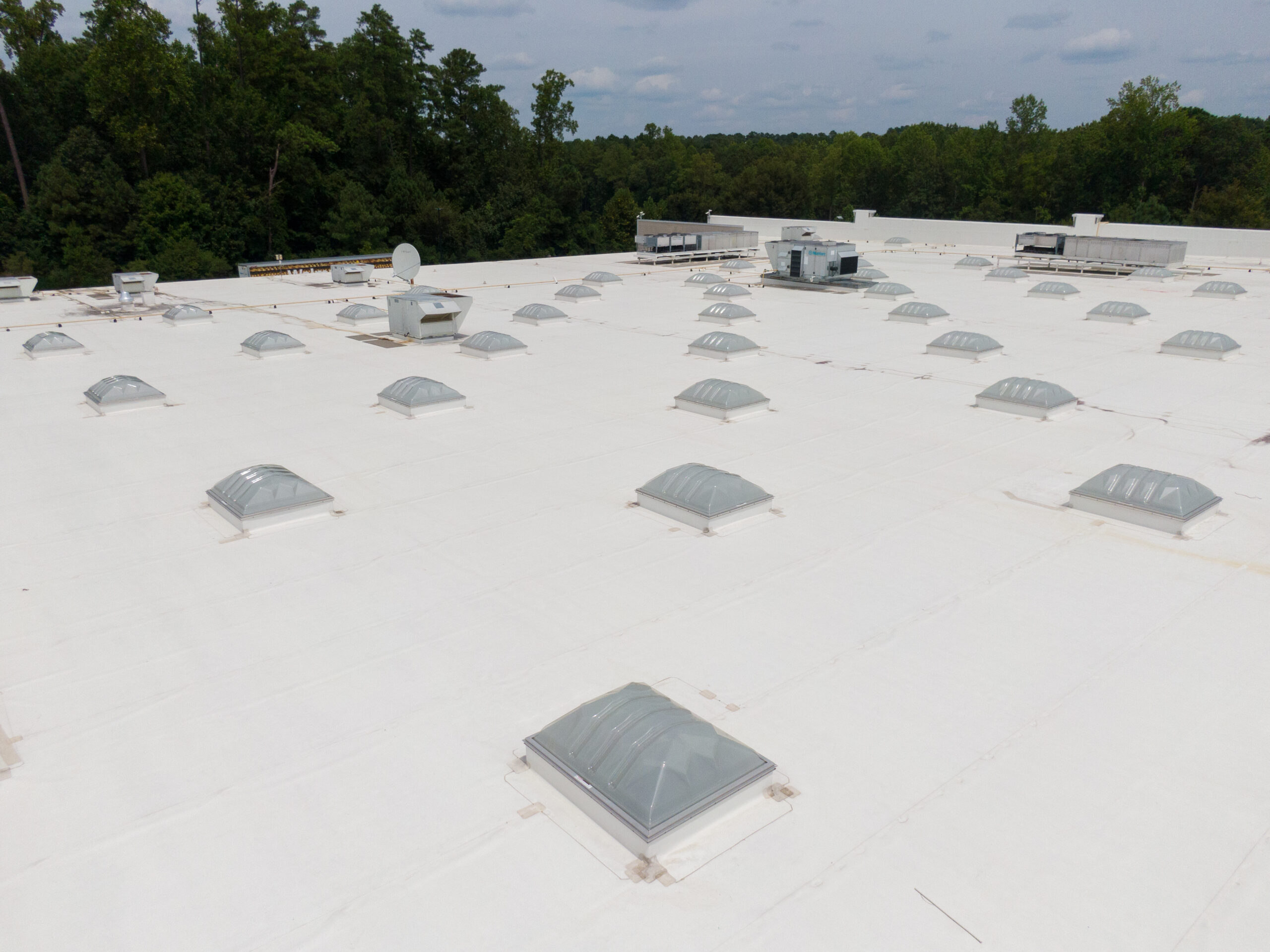
Silicone fluid-applied coatings have become the most economical life-extension option for qualifying commercial flat roofs in Dallas. A well-prepared EPDM or TPO roof in serviceable condition — dry insulation, sound membrane, no systemic seam failure — can carry a manufacturer-warranted silicone coating system with a 10, 15, or 20-year warranty at roughly 30-40% of the cost of replacement. That math is compelling for building owners with roofs that have 5-8 years of remaining life on an aging system but good bones underneath.
We install silicone coatings, silicone over SPF (spray polyurethane foam) hybrid systems, and acrylic coatings on qualifying Dallas commercial roofs. The qualifying part matters. A coating over a failing substrate is a temporary cosmetic fix that delays a real decision — and voids the warranty in year one when the underlying failures push through.
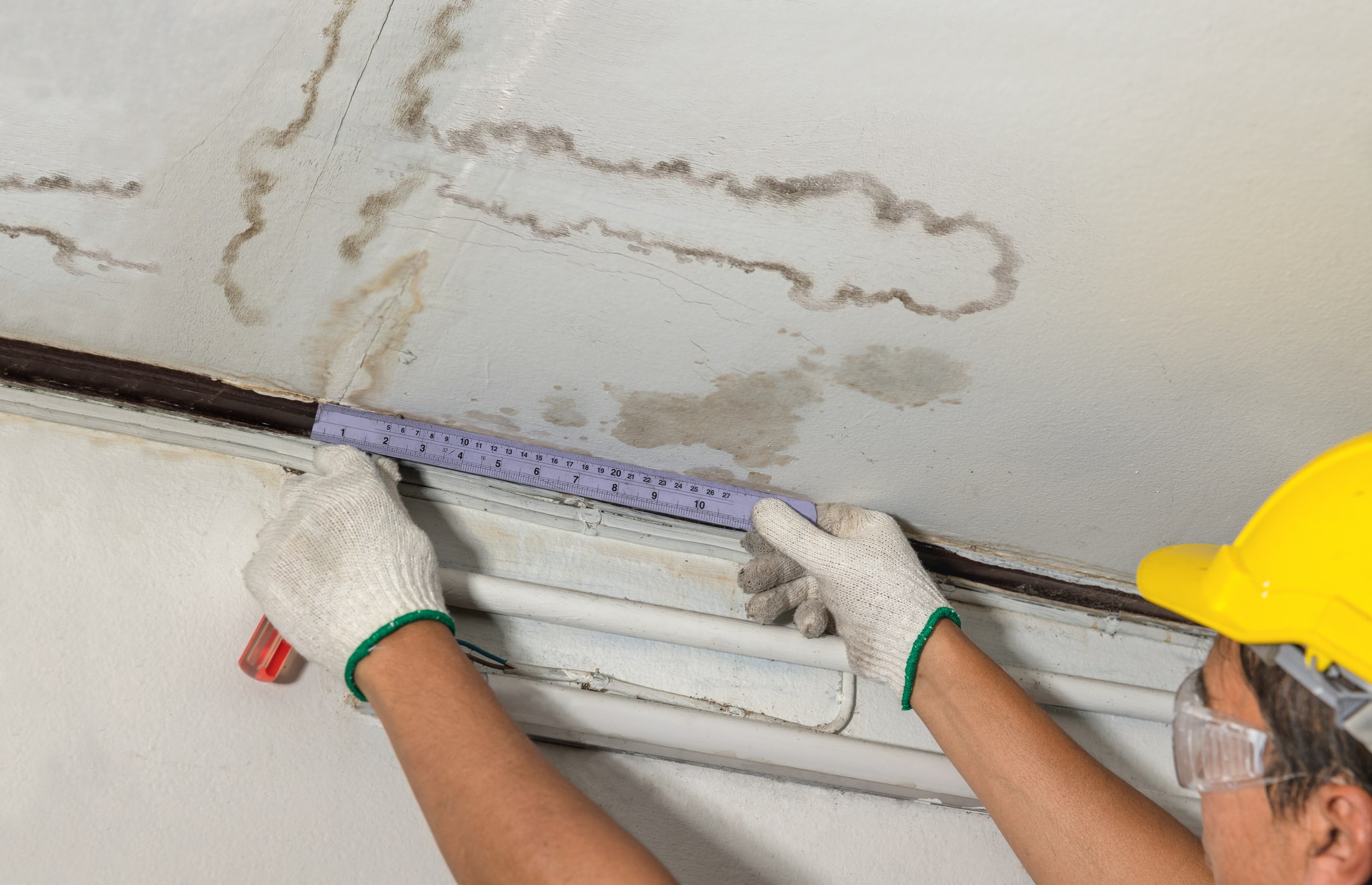
Our coating projects start the same way our replacement projects do: a roof walk, moisture core pulls in 5-10 locations, and a written assessment. If the roof qualifies, we write a coating scope. If it does not, we tell you why and what the honest alternative is.
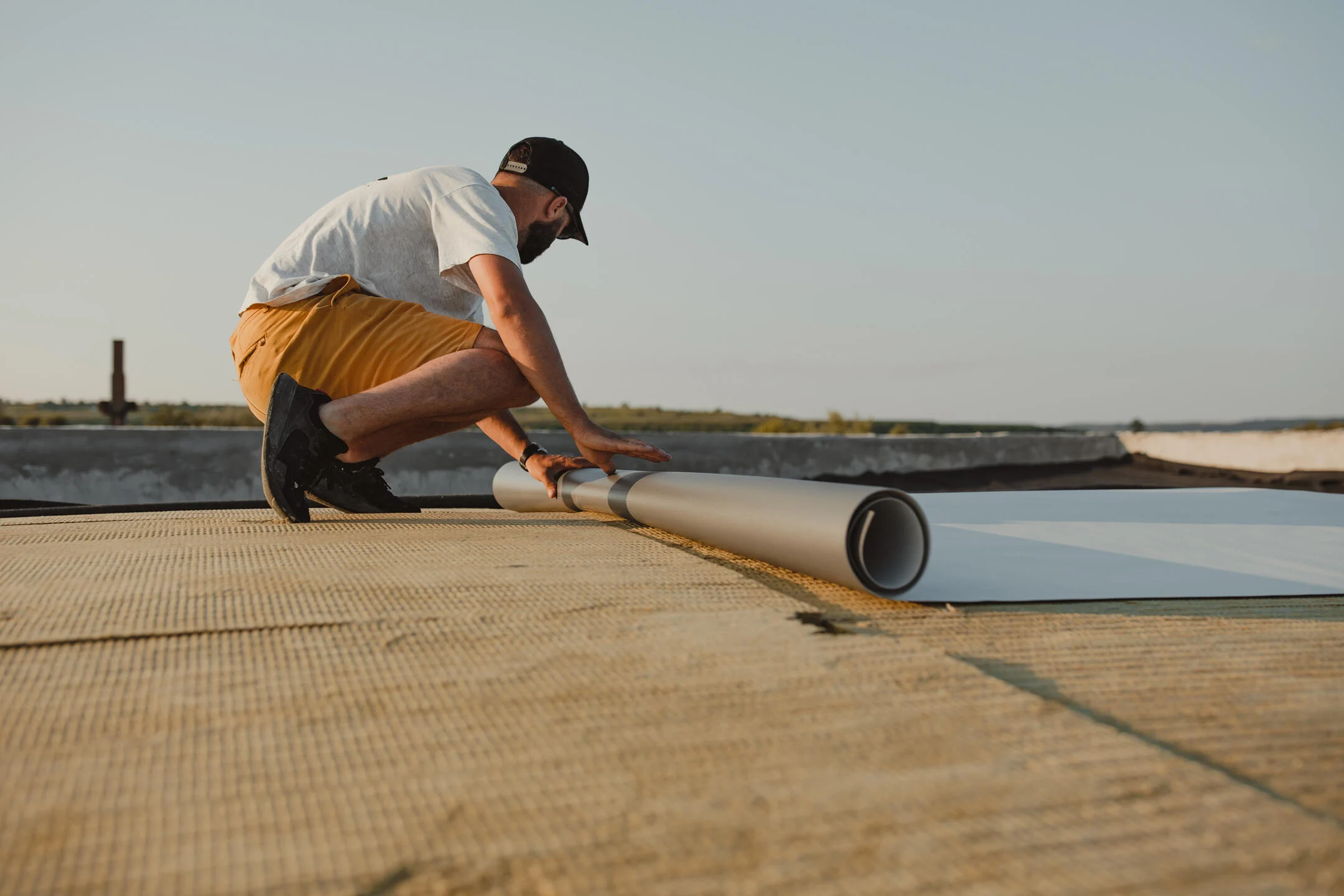
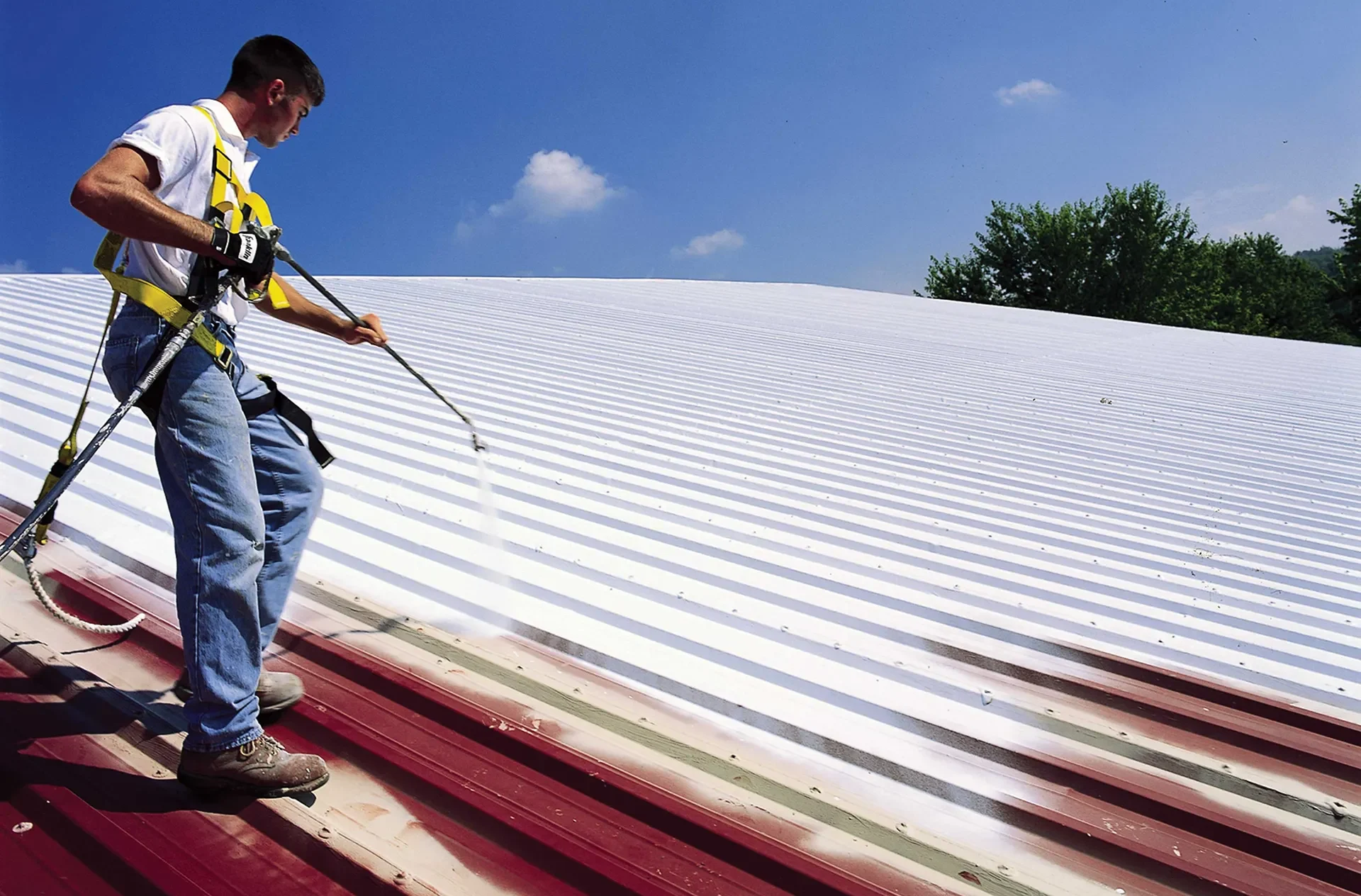
Base coat and topcoat system: Standard 20-year warranty silicone systems require a minimum of 30 mils dry film thickness (DFT) total — typically split between a 20-mil base coat and a 10-mil topcoat, or a single 30-mil application on smooth substrates. Warranty mil thickness is verified by the manufacturer's field representative at inspection.
Surface preparation: The most labor-intensive and most warranty-critical step. Existing membrane surface must be clean, dry, and free of surface contamination. We pressure wash at 3,000-4,000 psi, spot-prime failed seams and flashing edges with compatible primer, and re-flash all penetrations and parapet flashings before coating application begins. Any failed seam or flashing that is not re-flashed before coating will push through the coating system within 2-3 years.
SPF/silicone hybrid systems: Spray polyurethane foam applied at 1-3 inch thickness adds insulation value (R-6 to R-7 per inch) and corrects ponding areas simultaneously, then receives a silicone topcoat for UV and weather protection. This system is appropriate for buildings where both insulation upgrade and life extension are priorities. UT Southwestern Medical Center's satellite medical office building inventory around the Medical District has seen several of these hybrids for insulation-code compliance paired with life extension.
Coating makes sense when: the existing membrane is dry (confirmed by cores), the seams are serviceable or can be repaired at reasonable cost before coating, the ponding is minor and can be corrected with SPF fill or tapered insulation spot replacement, and the building owner's capital horizon aligns with a 15-20 year performance expectation rather than a full replacement that resets the clock.
Coating is the wrong call when: cores show saturated insulation across more than 25% of the roof area (coating over wet insulation traps moisture and fails the warranty immediately), systemic seam failures run throughout the membrane field (you cannot re-seam an entire membrane field as a pre-coat repair — at that point you are doing a replacement), or the building has structural ponding that the roof deck itself cannot drain regardless of surface coating.
We see coating proposals on roofs that should be replaced — usually from contractors trying to win a project without the capital conversation. The warranty denial that follows a coating on a failing substrate comes back on us, and we have no interest in that outcome.