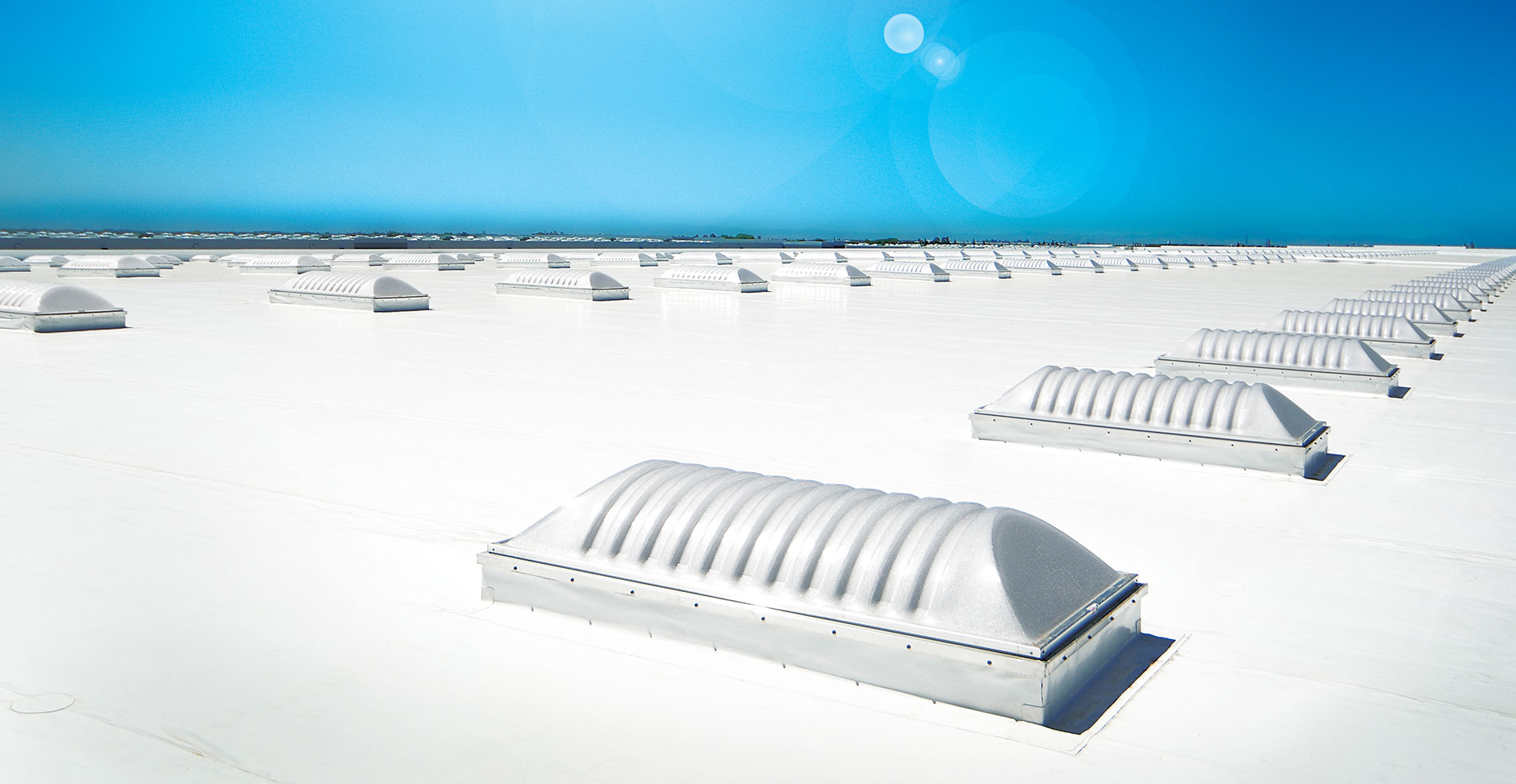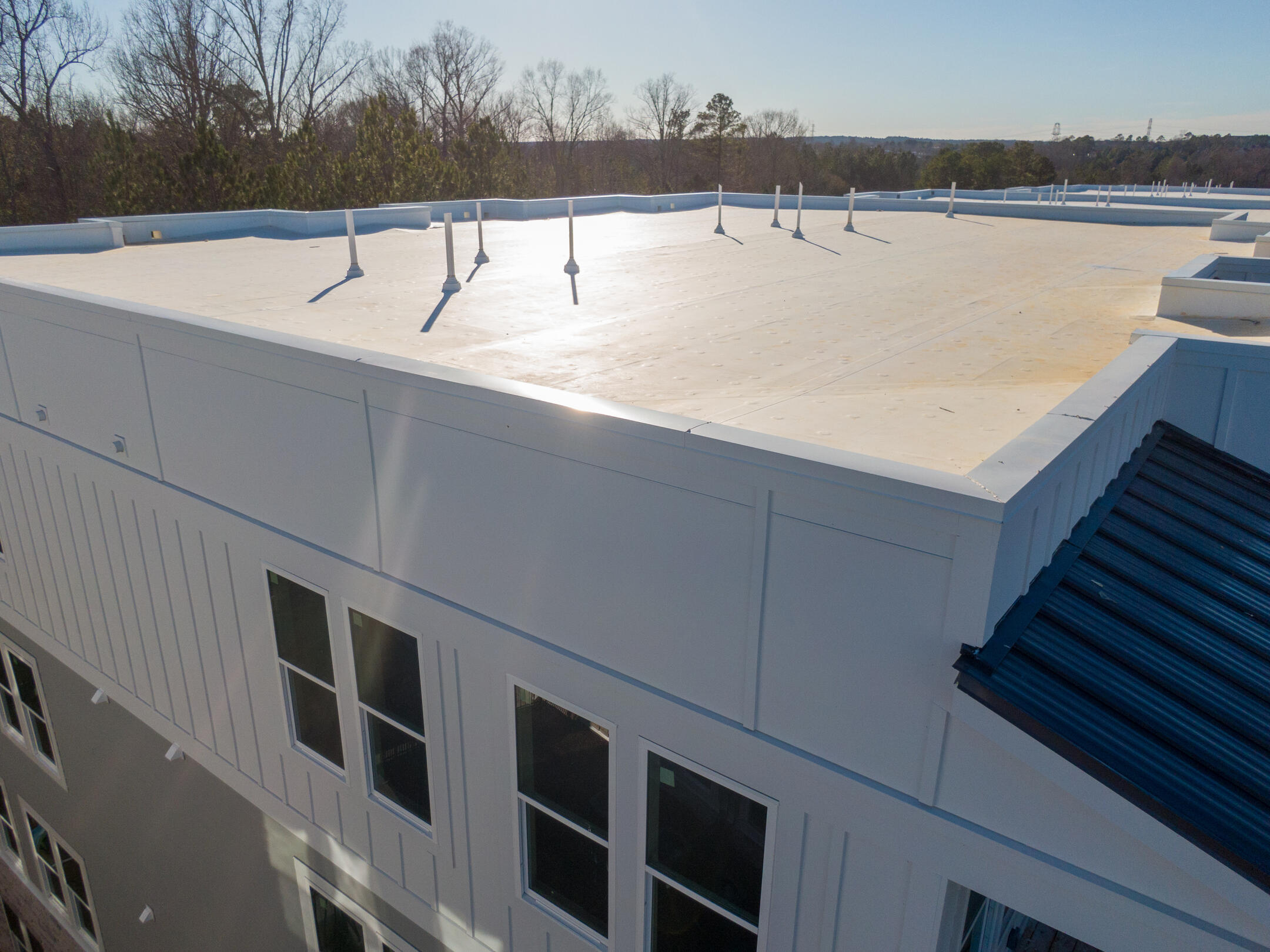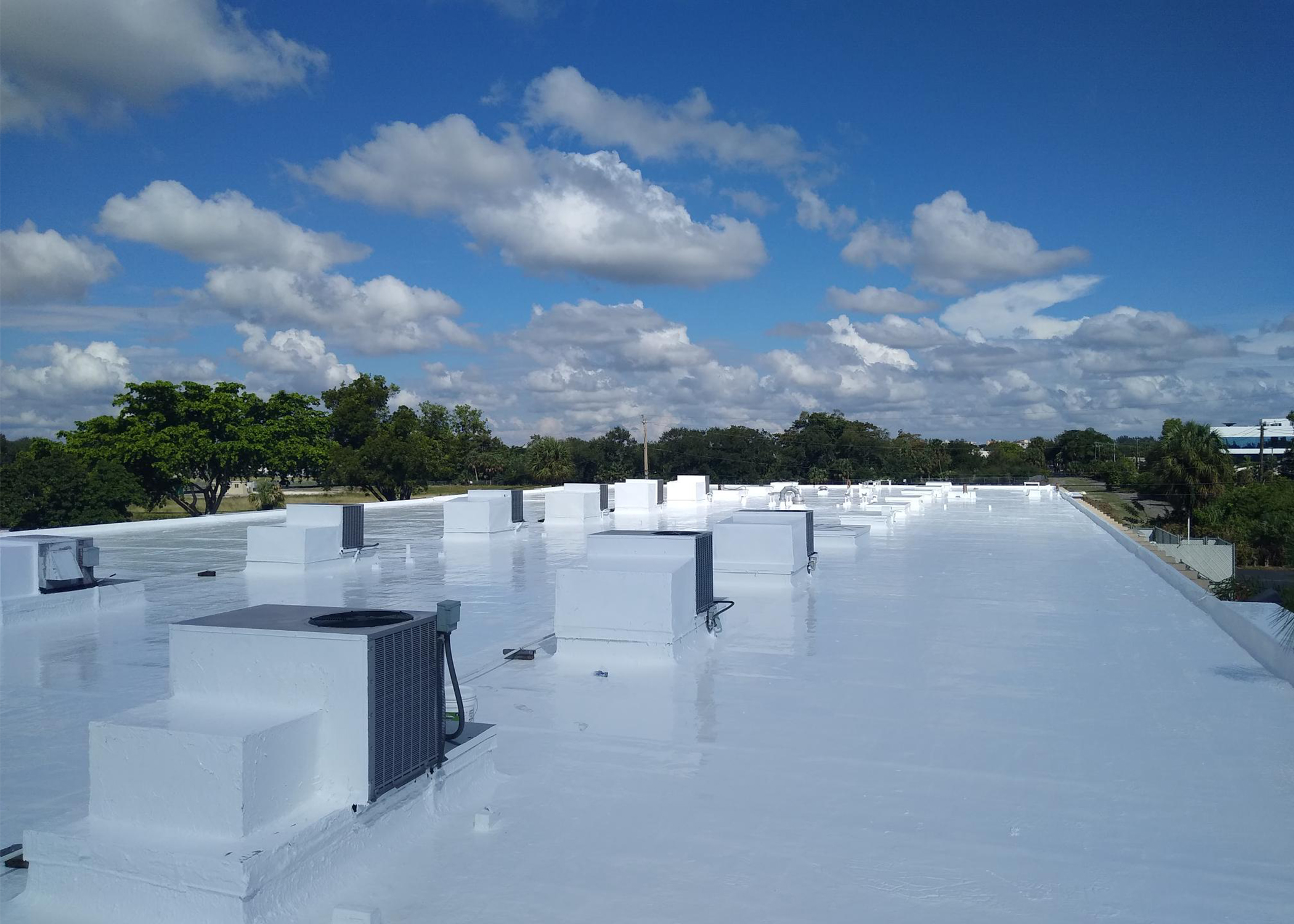
Silicone coating warranty terms are tied directly to dry film thickness (DFT). A 10-year manufacturer warranty typically requires 20 mil DFT. A 15-year warranty requires 25 mil DFT. A 20-year warranty requires 30 mil DFT on most manufacturer systems. These are dry film measurements — the wet application rate is higher because silicone coatings lose volume as the solvent flashes off.
Contractors who want to hit the warranty DFT number without applying sufficient coating will apply two thin coats and call it 30 mil. We verify DFT during application with a wet-film gauge on every lift and document the final DFT with a dry-film gauge after cure. Manufacturer warranty inspectors do the same check at closeout — projects that do not pass the DFT measurement do not get the warranty, period.
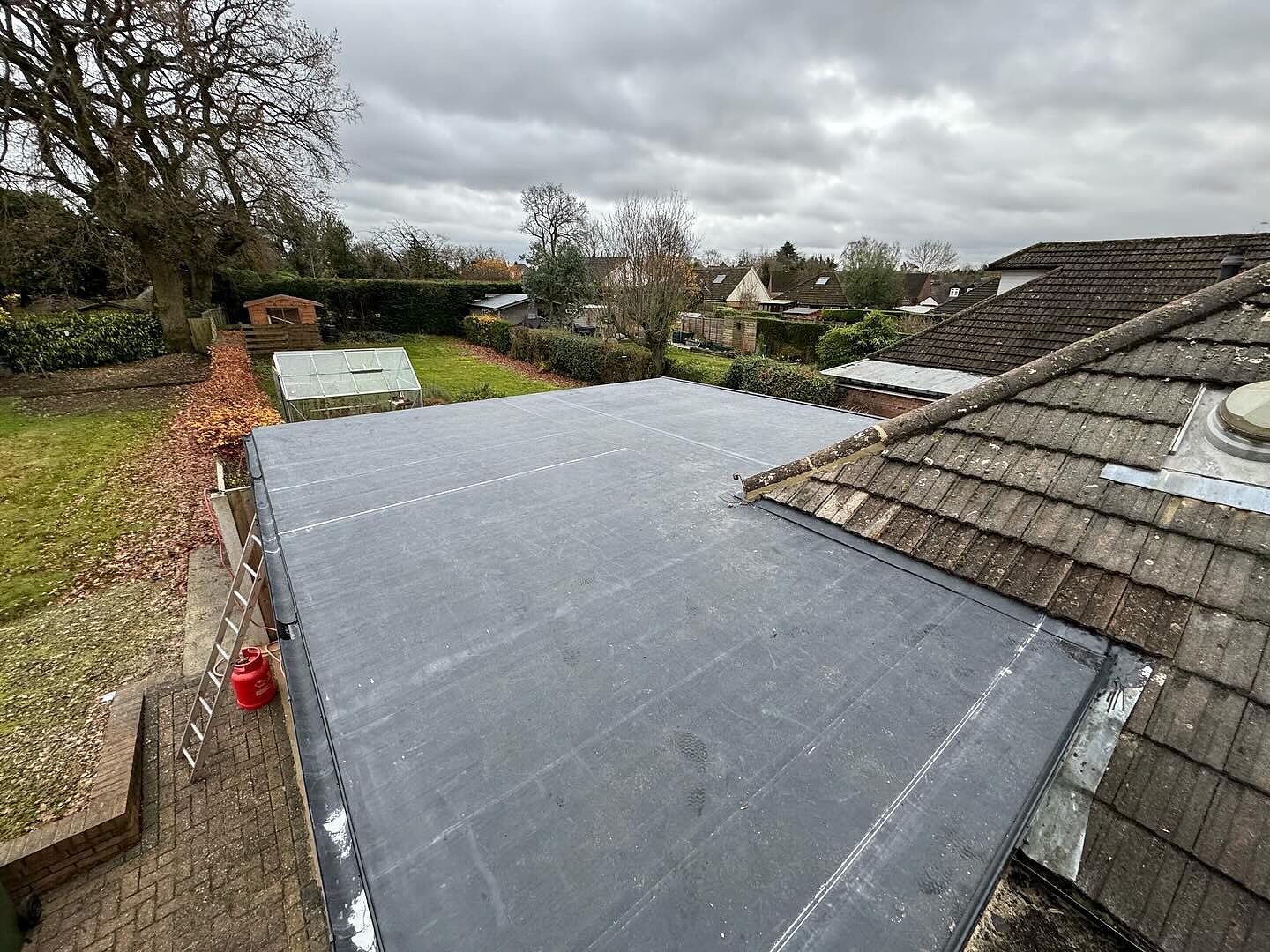
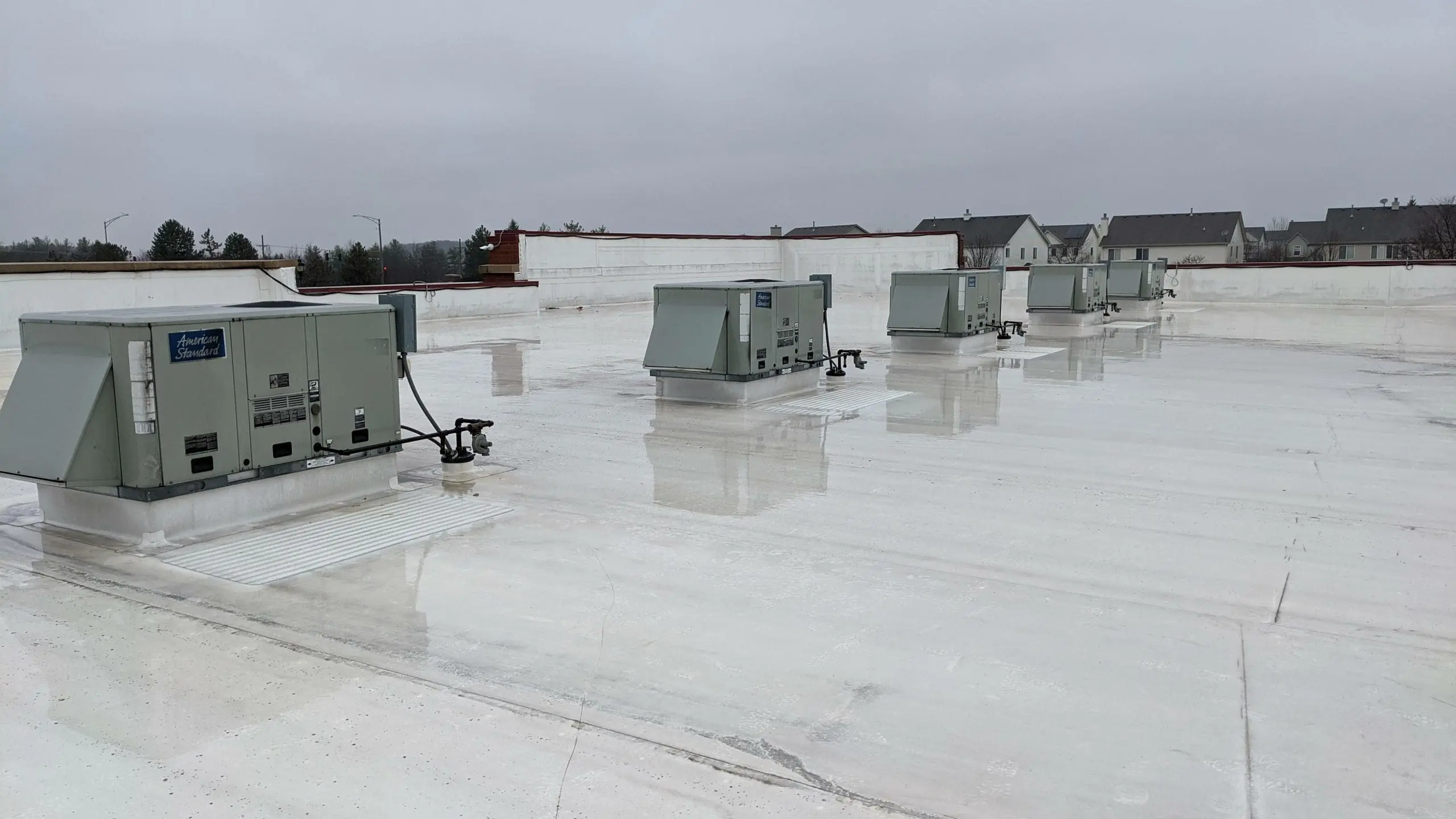
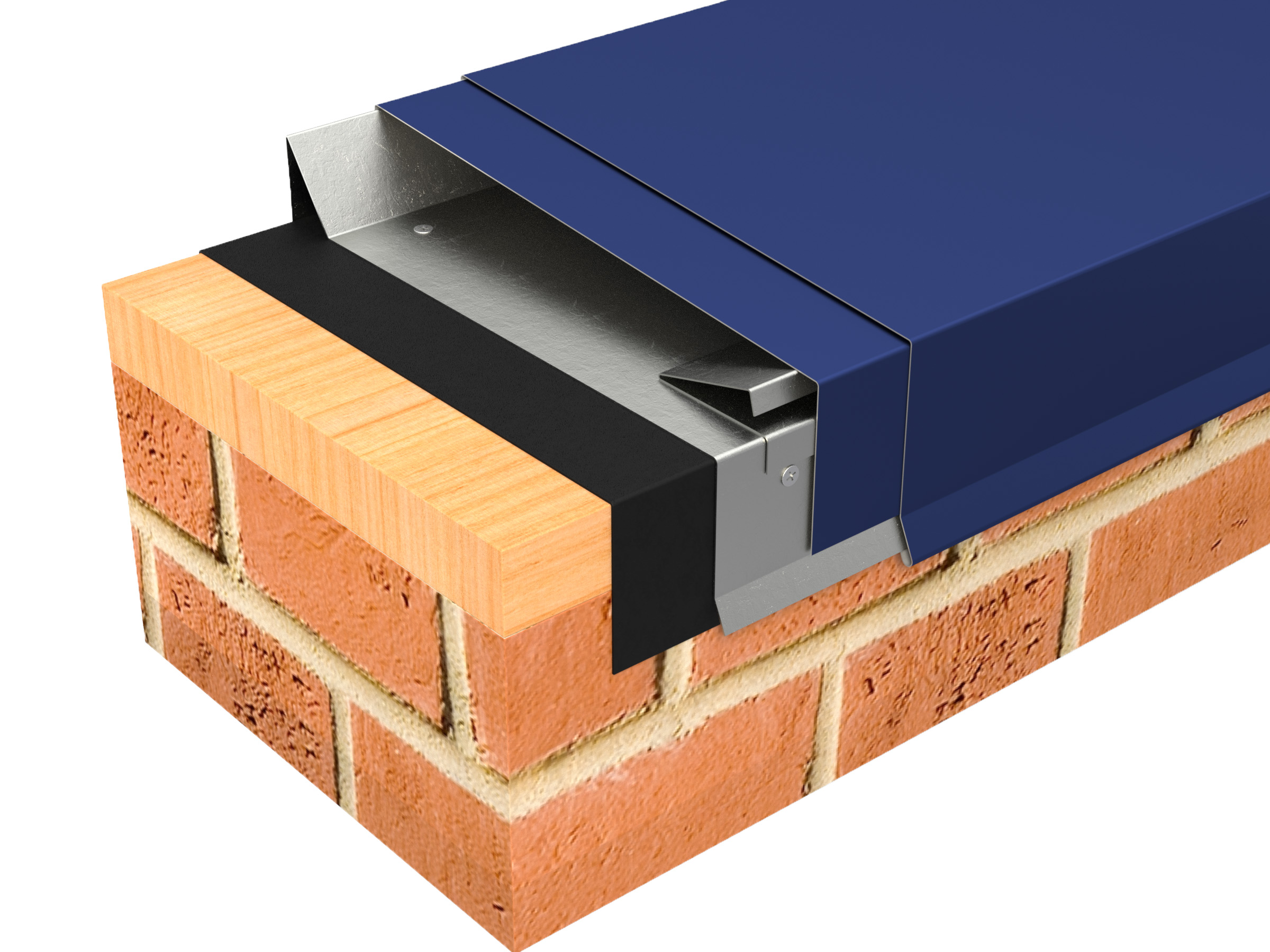
Substrate preparation is where silicone coating succeed or fail. The protocol we follow: pressure wash the entire roof surface at minimum 3,000 PSI to remove all chalking, loose granules, biological growth, and contamination; allow minimum 24 hours dry time (48 hours in humid Dallas weather between May and October); probe-test every seam and flashing for adhesion; repair failed seams with compatible seam tape or caulk appropriate to the membrane type; replace any flashing that has lost its bond; and apply manufacturer-specified primer if the substrate requires it for silicone adhesion.
The drying step is where corners get cut. Dallas summers are humid from June through September, and a roof that looks dry after a few hours of sun may still have moisture trapped in the pores of modified bitumen or at the seam laps of TPO. A coating applied over a damp substrate delaminates in the first rain event.
The manufacturers whose silicone coating systems we install on Dallas buildings include GE Enduris, Tremco, Henry, and Polyglass. Each has a warranty-path matrix that ties system selection, DFT, substrate type, and applicator credentialing to the warranty term. We carry applicator credentials with multiple manufacturers so we can match the manufacturer to the building's substrate and the owner's warranty objective.
A 20-year silicone coating warranty is available on qualifying TPO, EPDM, modified bitumen, and metal substrates. The annual maintenance requirement to keep the warranty active is typically simpler than a full-replacement warranty — inspection, minor repairs, and documentation. We offer maintenance contracts that cover the annual inspection and reporting that keeps the coating warranty current through its term.
The qualification test is the core pull and seam inspection. If your insulation reads dry on core pulls at five to ten locations, your seams are sound (or can be repaired before coating), and your flashings are intact, your roof is likely a coating candidate. If we find wet insulation, failed seams across significant areas, or parapet flashings that have lost their bond entirely, coating is not the right scope and we will tell you so.
A 20-mil silicone coating system on a qualifying 50,000 sq ft Dallas building typically costs 30-45% of the cost of a full TPO replacement. If your roof qualifies, it is a significant capital saving. The trade-off is a 10-year warranty vs. 20 years for TPO replacement — so at the end of the coating warranty term, you are back to making the same decision. We model the lifecycle cost for both options so the choice is grounded in data.
Silicone coatings require ambient temperature above 40°F and the substrate temperature below about 130°F during application. In a Dallas July, that means early-morning application windows before the roof surface heats up — we schedule coating application from 6 AM to 10 AM on summer projects and stop before the substrate temperature compromises adhesion.
We inspect the substrate, core-pull the insulation, and give you a written assessment — with a coating scope and a TPO replacement scope, so you can compare the 10-year vs. 20-year paths side by side.