A commercial roof inspection is only useful if the output is actionable. We deliver written condition reports with section-by-section photo documentation, condition grades, remaining life estimates, and repair or replacement recommendations specific to the building's system, age, and the DFW climate conditions it has been operating under. Our reports are written in a format that asset managers, insurance carriers, warranty representatives, and property buyers all accept.
Post-storm inspection documentation after DFW hail events is the front end of any insurance or warranty process. We produce the GPS-pinned, photo-documented inspection record your carrier needs within 72 hours of a significant impact event.
Annual condition reports across a multi-building DFW portfolio give you condition grades and remaining life estimates you can use for CAPEX planning, warranty compliance, and portfolio reporting to investors or boards.
Post-storm inspections after DFW hail events have a specific documentation standard. The insurance carrier wants GPS-pinned impact points, a photo set that shows the membrane surface at each impact location, and a notation of whether the impact exceeded the membrane's rated impact resistance. We produce that documentation on every post-hail inspection so the carrier does not have grounds to dispute causation based on the inspection record.
Reduce liability by addressing safety hazards such as loose edge metal or exposed fasteners.
Improve budgeting accuracy with condition data and lifecycle recommendations.
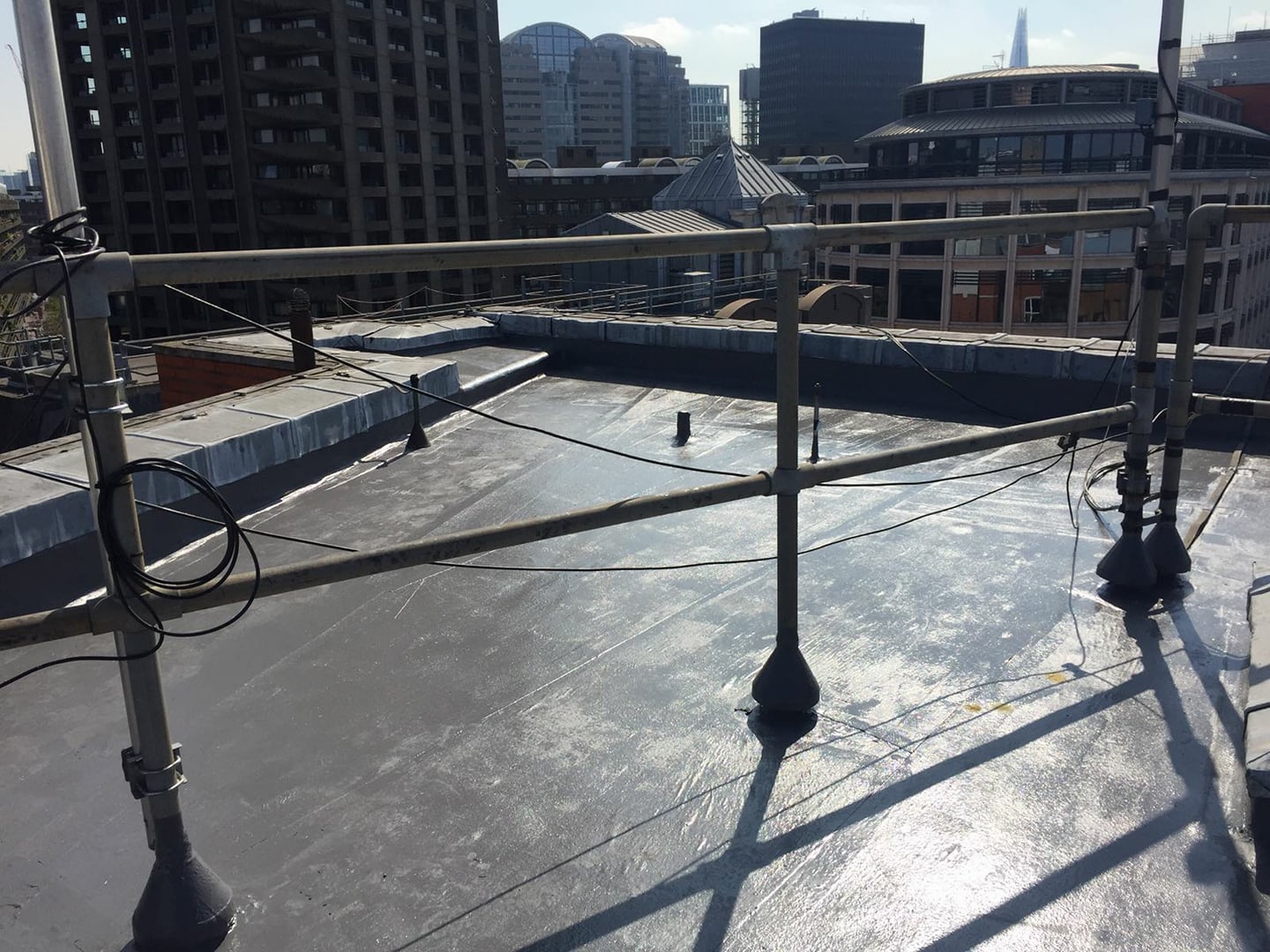
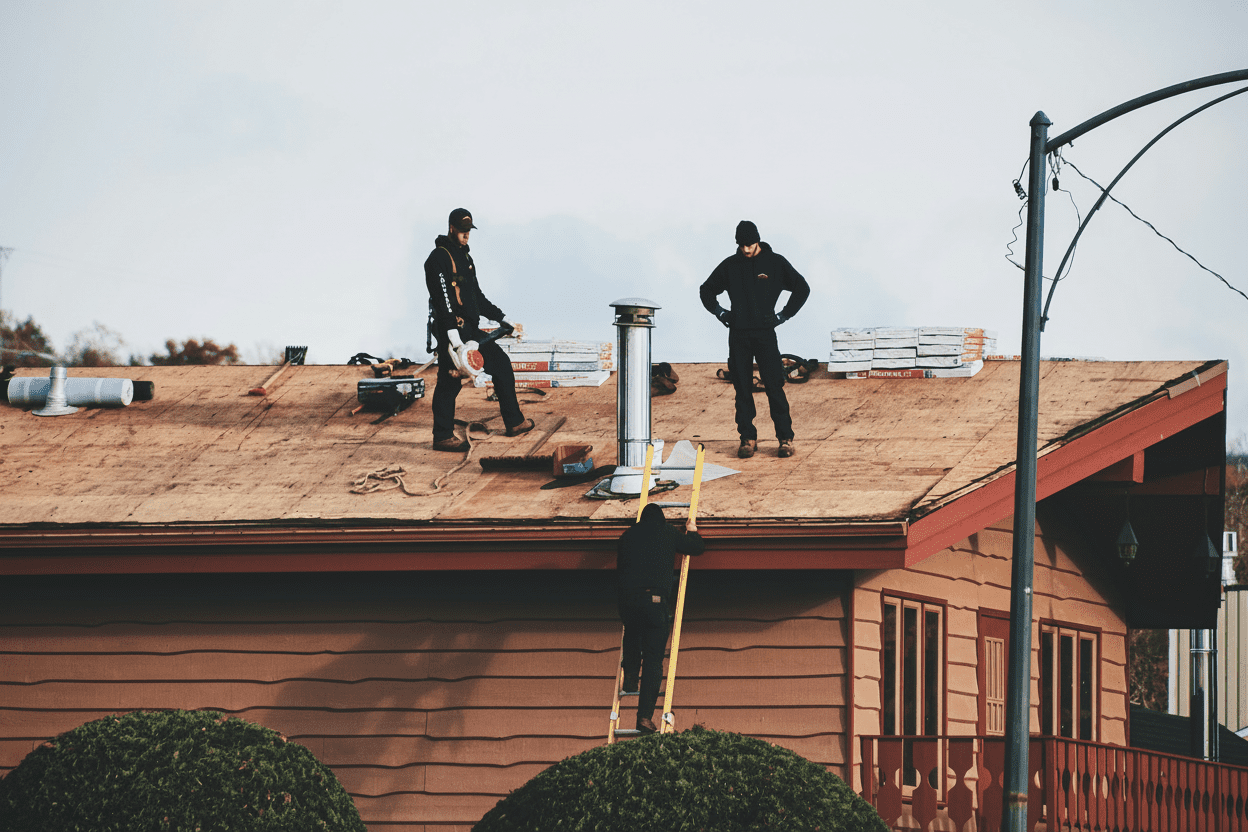
We coordinate roof access with the property manager or facility director, verify anchor points and edge-fall protection for the specific roof geometry, and schedule the inspection window for the thermal conditions that produce the most readable infrared scan — typically late afternoon into early evening in DFW's climate.
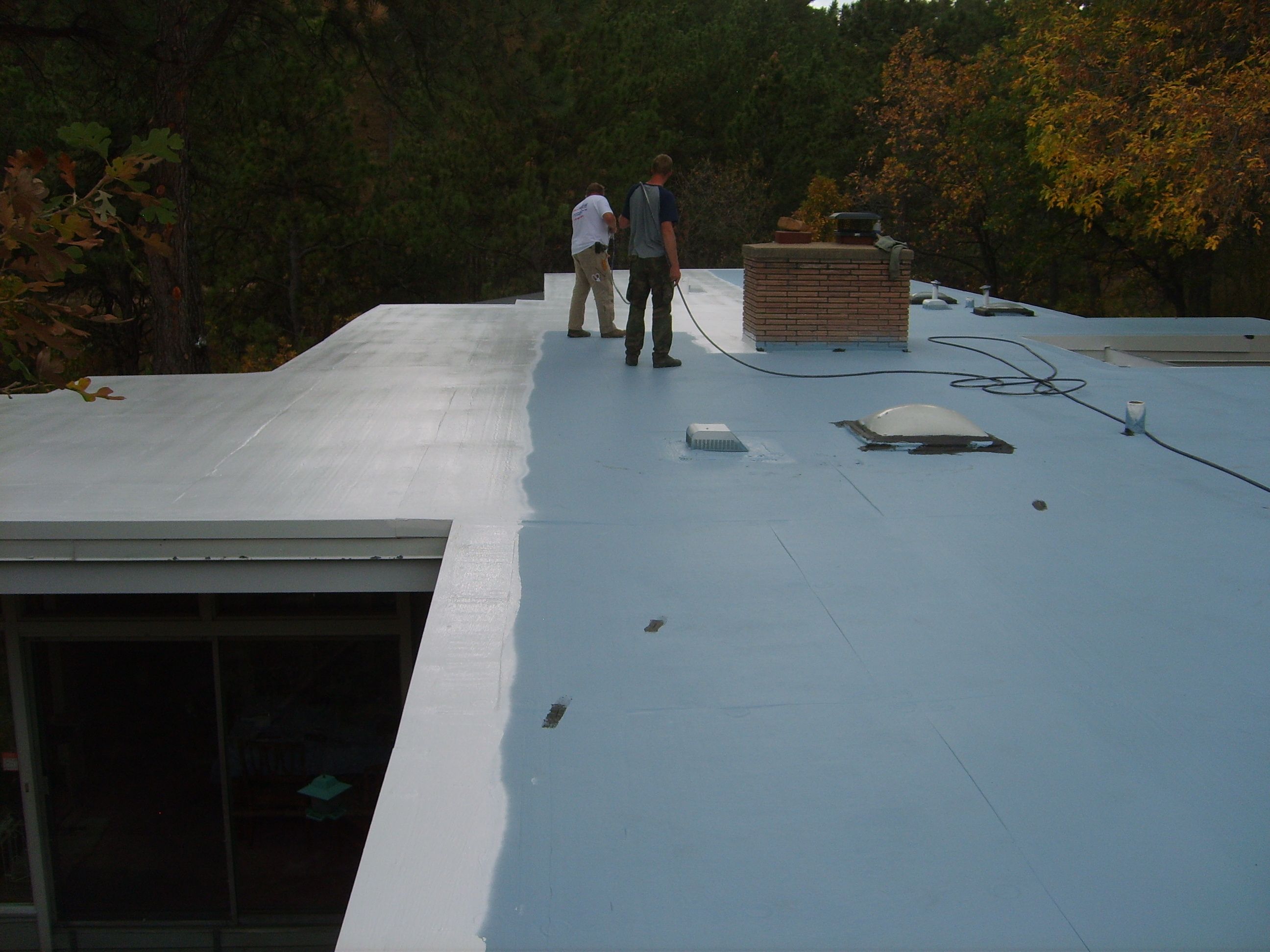
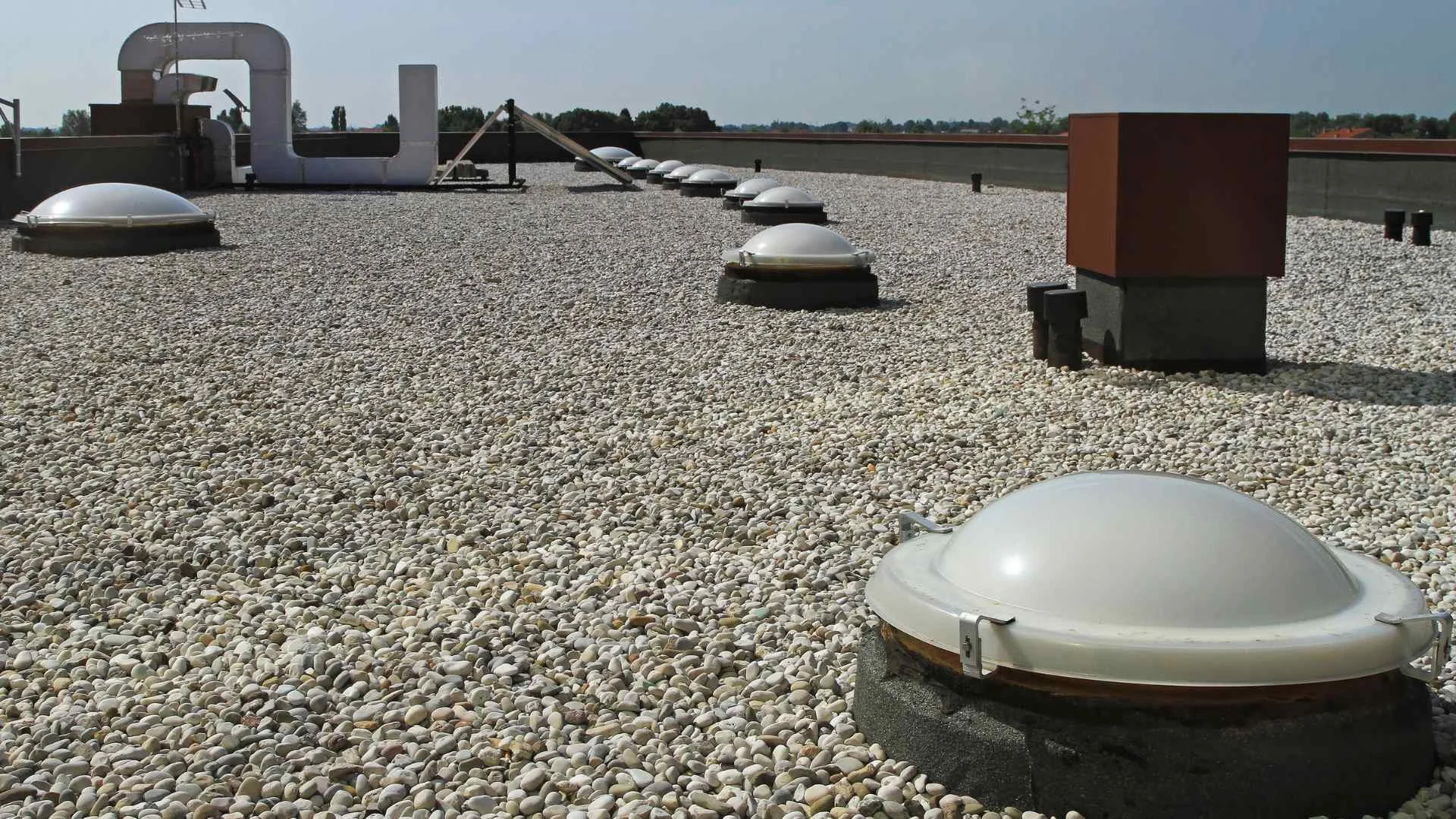
Two inspectors walk the entire roof surface systematically, documenting every drain, every penetration, every seam, every flashing transition, and every prior repair. On roofs above 50,000 square feet, we use a grid-based documentation system so every section of the roof has a photo record at the same scale.
Infrared scanning identifies wet insulation under the membrane that a visual walk cannot see. We perform the scan in the thermal window that produces the most readable delta in DFW conditions, flag anomalies for core sampling, and include the infrared imagery in the inspection report.
The inspection report covers: section-by-section condition grades, photo documentation organized by roof zone, remaining life estimate, repair and replacement recommendations with cost-band ranges, and warranty compliance status. The report is formatted for asset management platforms, insurance carriers, warranty representatives, and lender review.