Commercial roofing for self-storage facilities, mini-storage buildings, and climate-controlled storage properties throughout Dallas, TX.
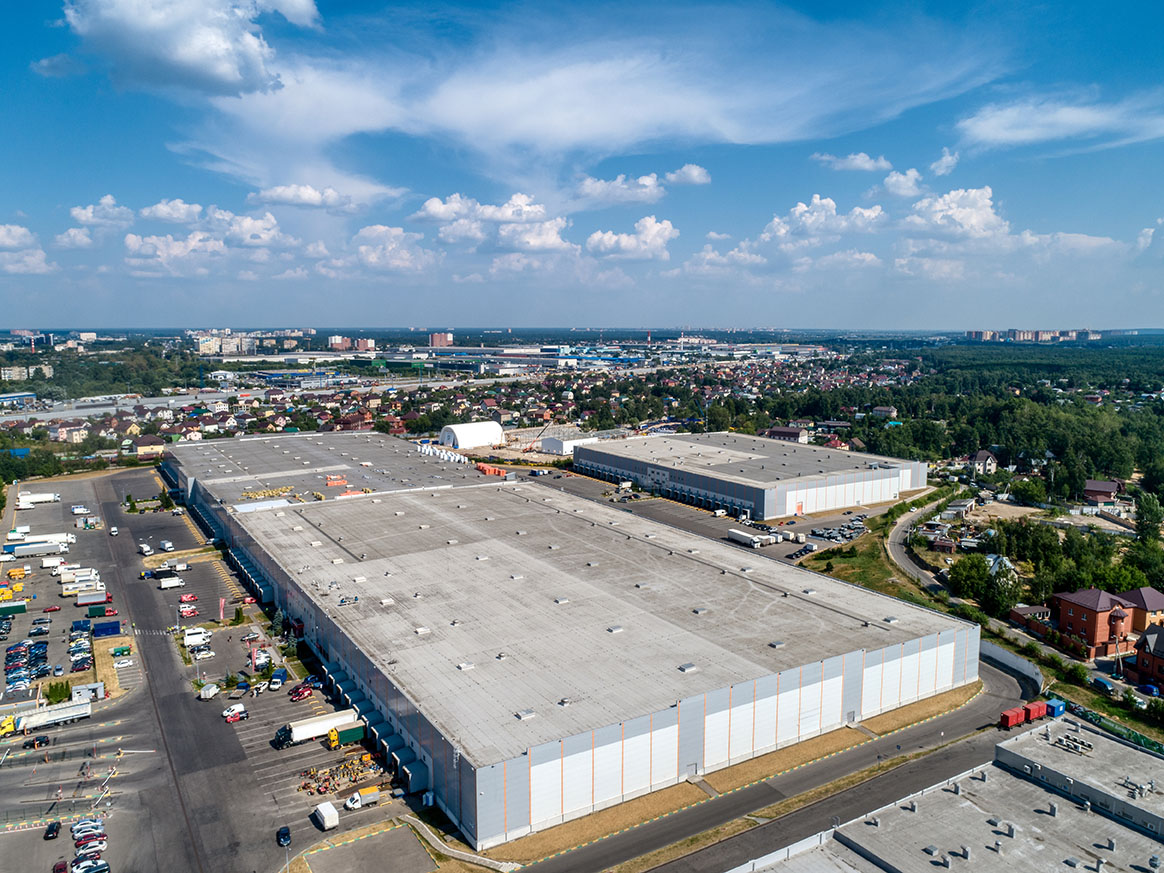
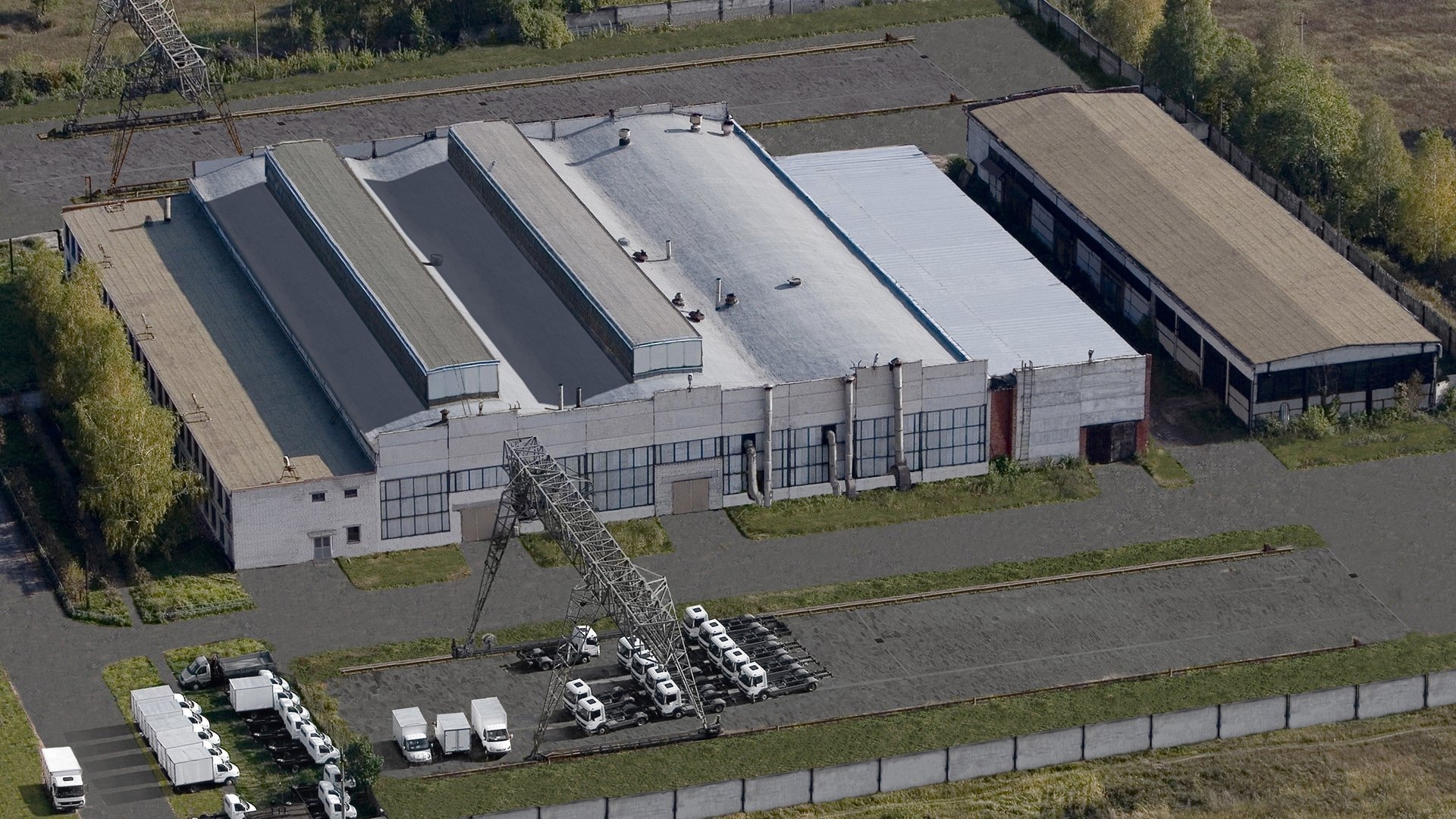
Public Storage operates one of its largest Texas facilities on Forest Lane in North Dallas, a sprawling campus of climate-controlled and drive-up units that stretches across several acres of prime commercial real estate. The sheer scale of that footprint — and facilities like it across the Dallas metro — means that self-storage roofing in North Texas is genuinely industrial-scale work, not a minor commercial project. Flat and low-slope roof sections covering individual unit rows, main building corridors, and ancillary structures can easily total 80,000 to 150,000 square feet on a single large campus, making the roofing specification one of the most consequential capital decisions a storage operator makes.
Dallas sits squarely in one of the most active hail corridors in the United States. The southern Great Plains generate powerful spring thunderstorms that track across the DFW metroplex with regularity, and large hail is a routine byproduct of those systems. Hail events in Dallas frequently involve stones one inch to two inches in diameter, and exceptional outbreaks have produced baseball-size hail that causes catastrophic damage to roof membranes, skylights, and HVAC equipment. A self-storage operator who has not invested in a hail-rated roofing system is effectively self-insuring against an event that is not a question of if but when.
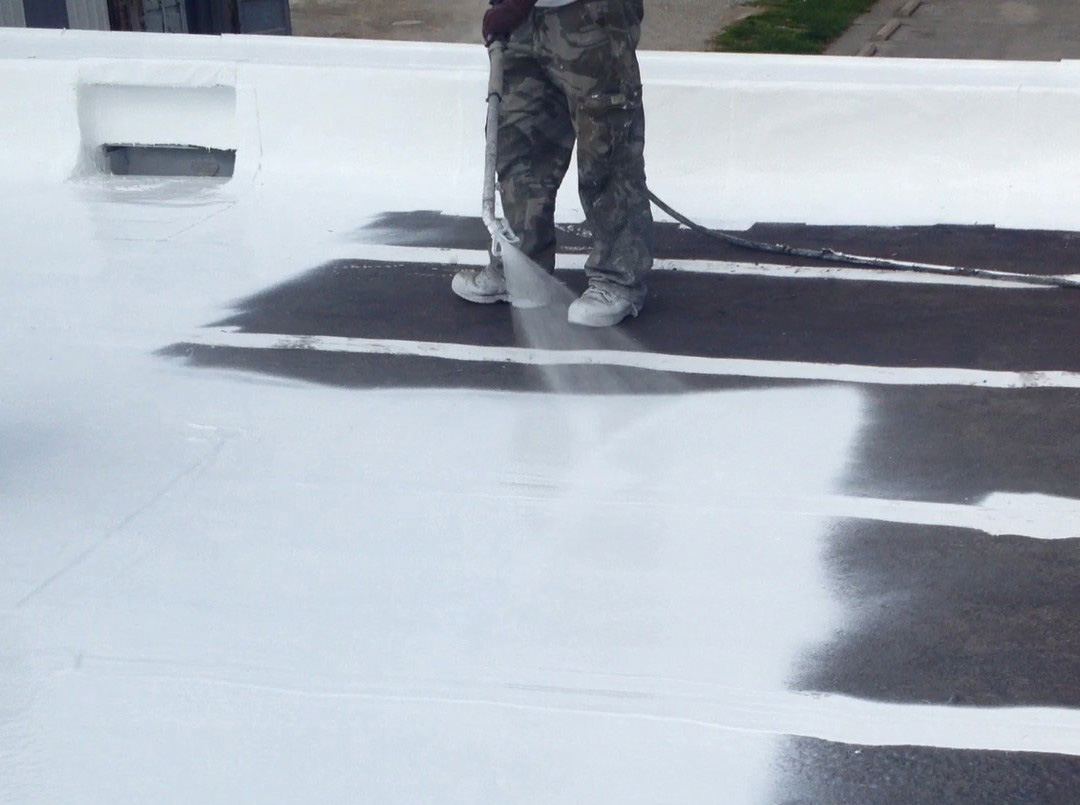
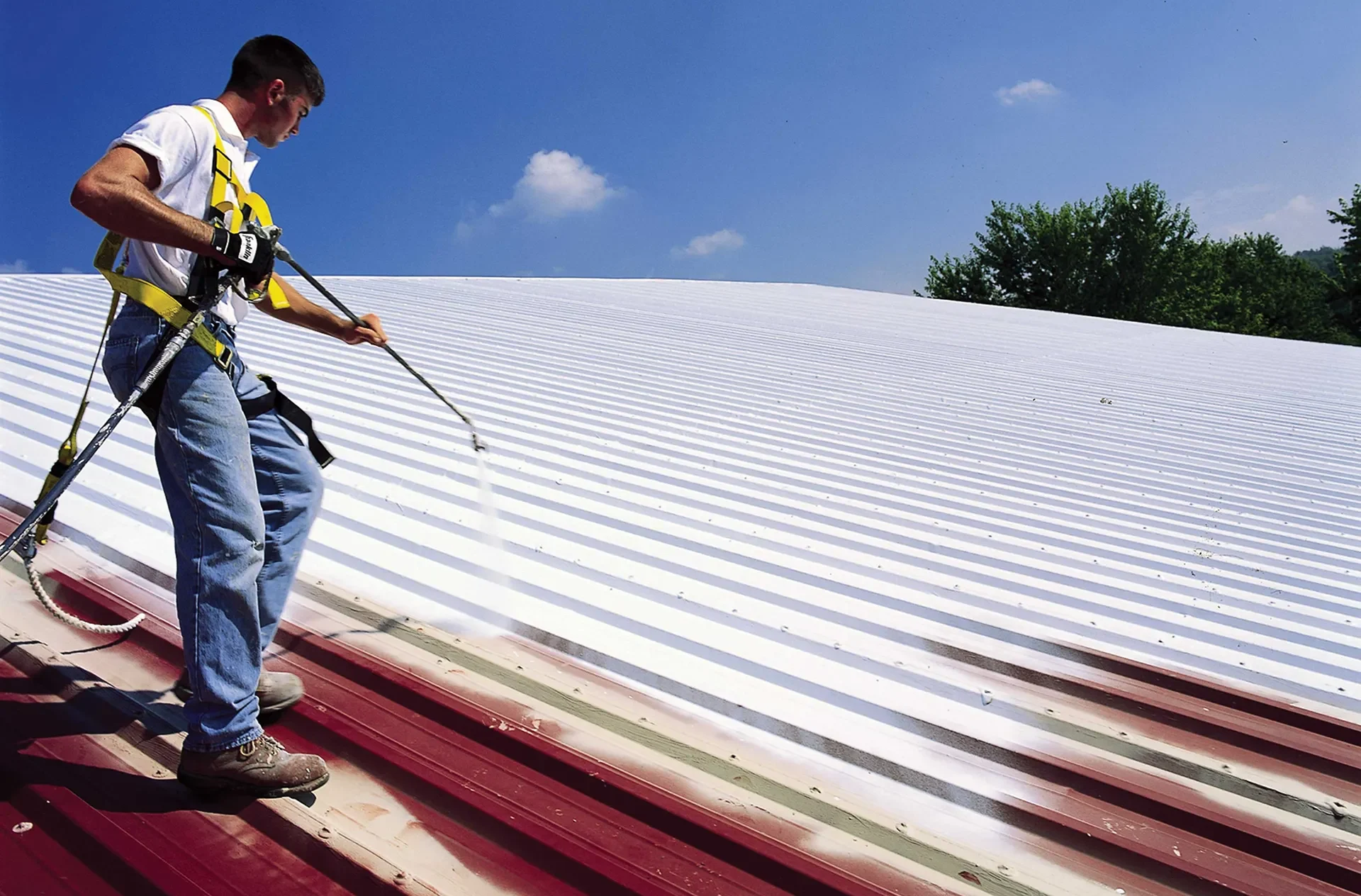
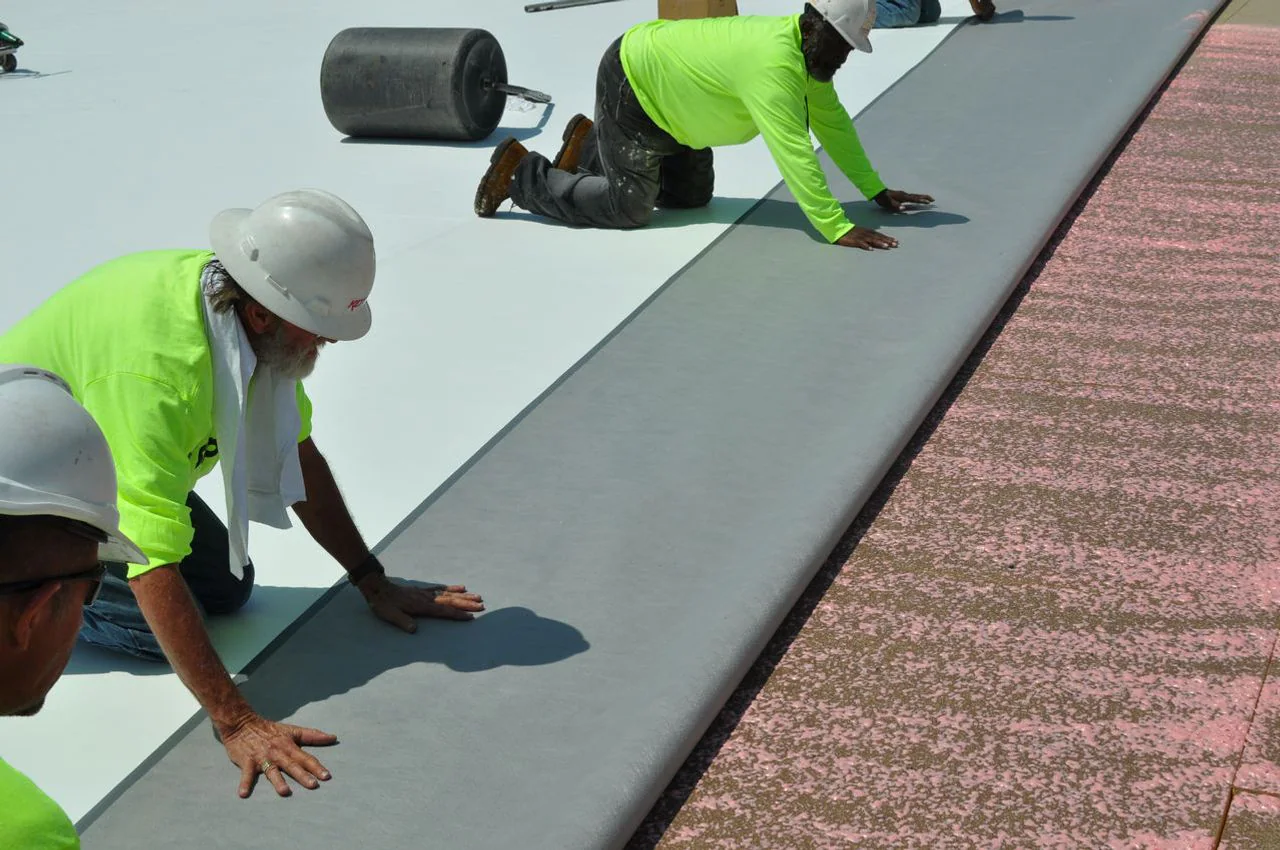
Heat is the other dominant climate factor in Dallas. Summer temperatures regularly exceed 100°F, and the urban heat island effect in the dense commercial corridors where large storage facilities tend to cluster can push surface temperatures on dark-colored roofs well above 160°F. This thermal loading causes conventional single-ply membranes to age prematurely, drives expansion and contraction cycles that fatigue seams and flashings, and dramatically increases cooling loads in climate-controlled buildings. White or light-colored reflective TPO membranes address the thermal loading problem directly, reducing roof surface temperatures by 40 to 60 degrees compared to darker surfaces and delivering meaningful operating cost reductions for operators running large HVAC systems.
Climate-controlled self-storage is a premium product in the Dallas market, with customers willing to pay significantly more per square foot to protect temperature-sensitive belongings from the extremes of a North Texas summer. Wine collections, antiques, electronics, business records, and musical instruments all require consistent temperature and humidity control. Delivering that control cost-effectively requires a roofing system that provides meaningful thermal resistance. Tapered polyisocyanurate insulation assemblies achieving R-30 or higher are standard specifications for new climate-controlled construction in Dallas, and retrofit insulation upgrades pay for themselves relatively quickly through reduced energy consumption.
Drainage design is non-negotiable for large flat-roof self-storage portfolios in Dallas. The city experiences intense rainfall events, including derechos and squall lines that can dump two to three inches of rain in under an hour. A roof with inadequate drainage capacity can accumulate hundreds of thousands of pounds of water during such an event, placing structural loads on a building that was never designed to carry them. Properly engineered internal drain systems with overflow scuppers sized for the roof area being drained, combined with tapered insulation to direct water toward drains, eliminate this risk.
The transition from drive-up-only storage facilities to mixed-format campuses with interior corridors and climate-controlled wings has created more complex roofing geometries in modern Dallas storage developments. Where older facilities might have featured simple shed-roof unit rows with straightforward drainage, contemporary facilities include multiple roof levels, elevator penthouses, and covered drive aisles. Each transition point between roof planes and each vertical wall represents a flashing detail that must be executed correctly and maintained over time. Working with a contractor who understands multi-zone commercial storage construction prevents the common failure modes that occur at these transition points.
Self-storage owners in Dallas should evaluate re-roofing options within the context of their insurance programs. Many insurance carriers have started requiring documentation of roof age and condition before renewing policies on commercial properties, and some are declining to write hail coverage for facilities with roofs older than fifteen years. Proactive re-roofing keeps properties insurable at reasonable rates and avoids the unpleasant discovery that a major storm event falls on a property with a coverage gap or a high age-related deductible.
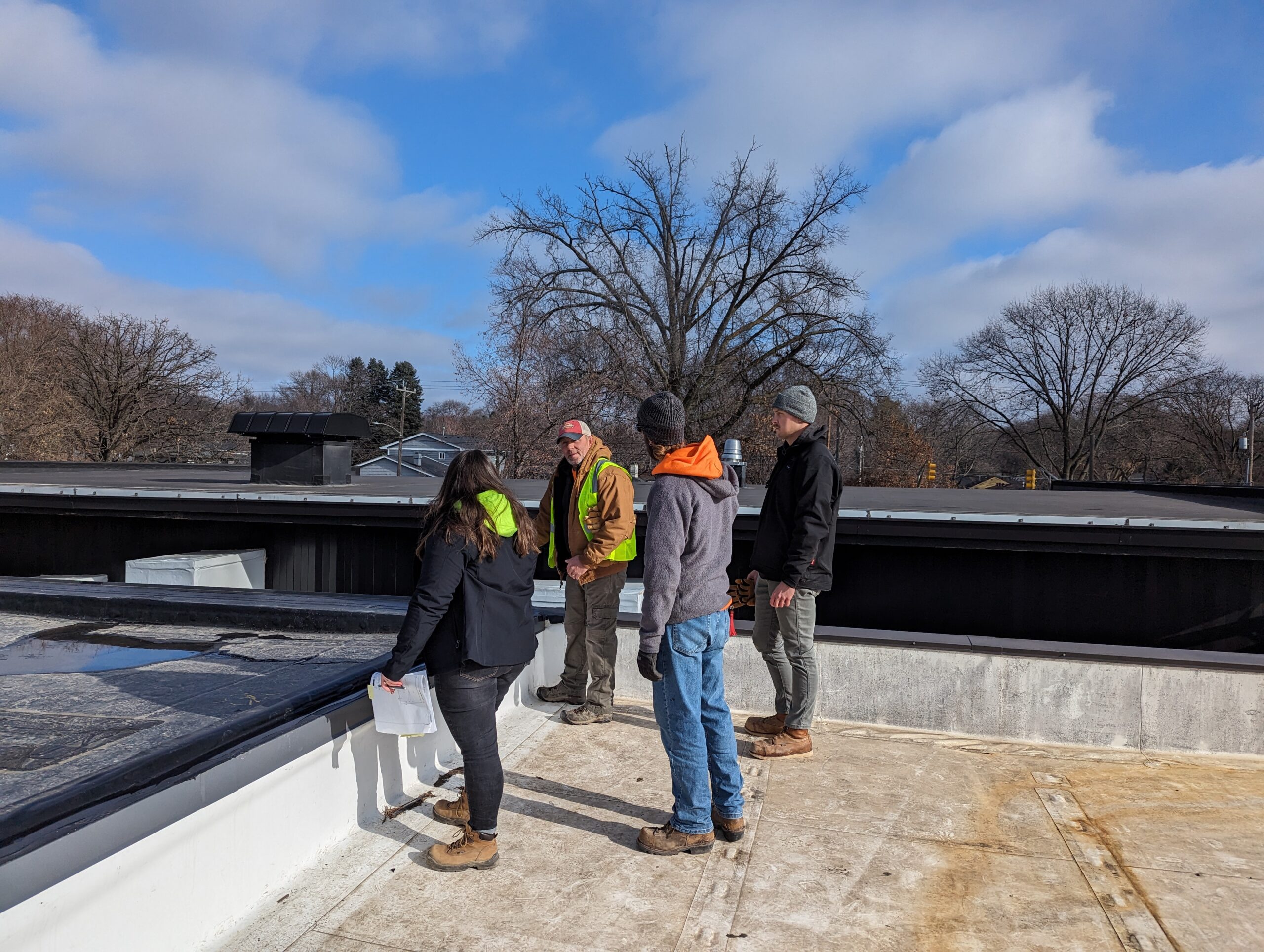
Preventive maintenance for Dallas self-storage roofs should include post-hail inspections following any significant severe weather event in the area. Even hail that does not create immediately obvious leaks can bruise or fracture TPO membranes in ways that accelerate deterioration over the following seasons. A trained roofing inspector can document this damage professionally, supporting insurance claims and identifying areas requiring immediate repair versus areas that can be monitored over time.
The commercial roofing contractor relationship matters for large storage portfolios in a market as active as Dallas. An operator managing multiple facilities across the metroplex benefits from working with a contractor who can mobilize quickly after storm events, who maintains detailed records for each property in the portfolio, and who can provide phased capital planning advice that aligns re-roofing schedules with the operator's budget cycles. That kind of systematic approach to roof asset management transforms what is often a reactive expense into a planned, predictable capital program.