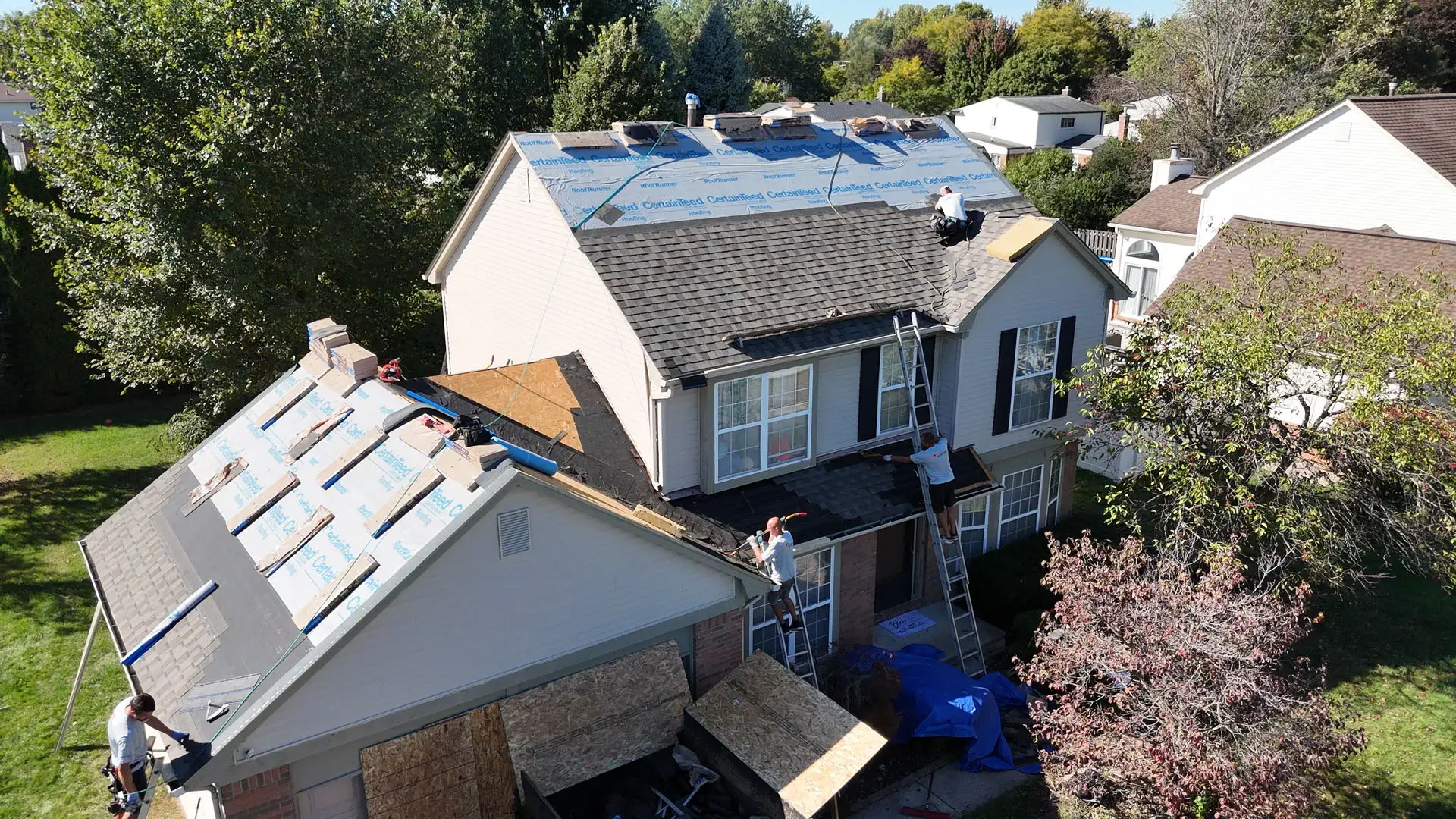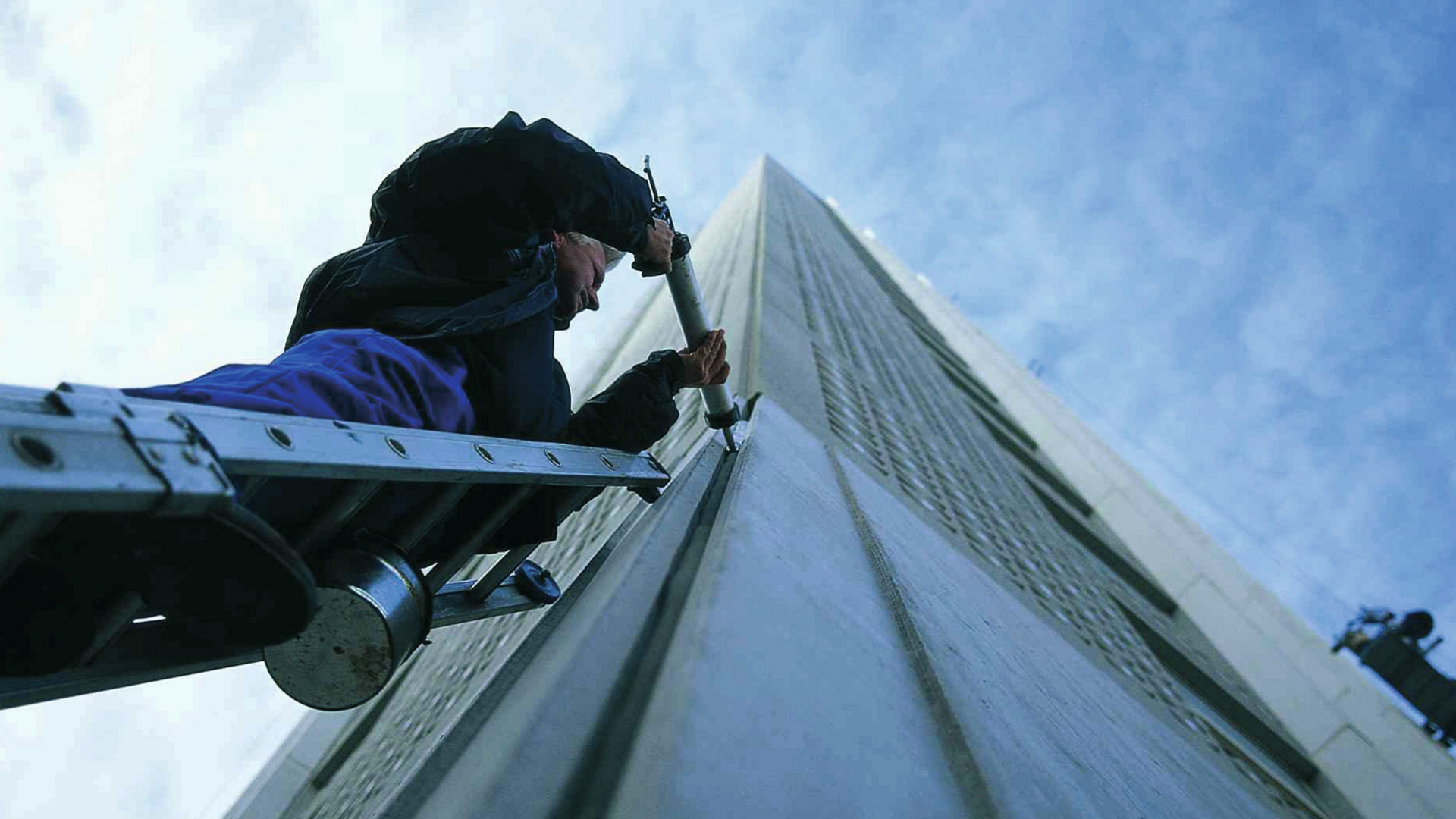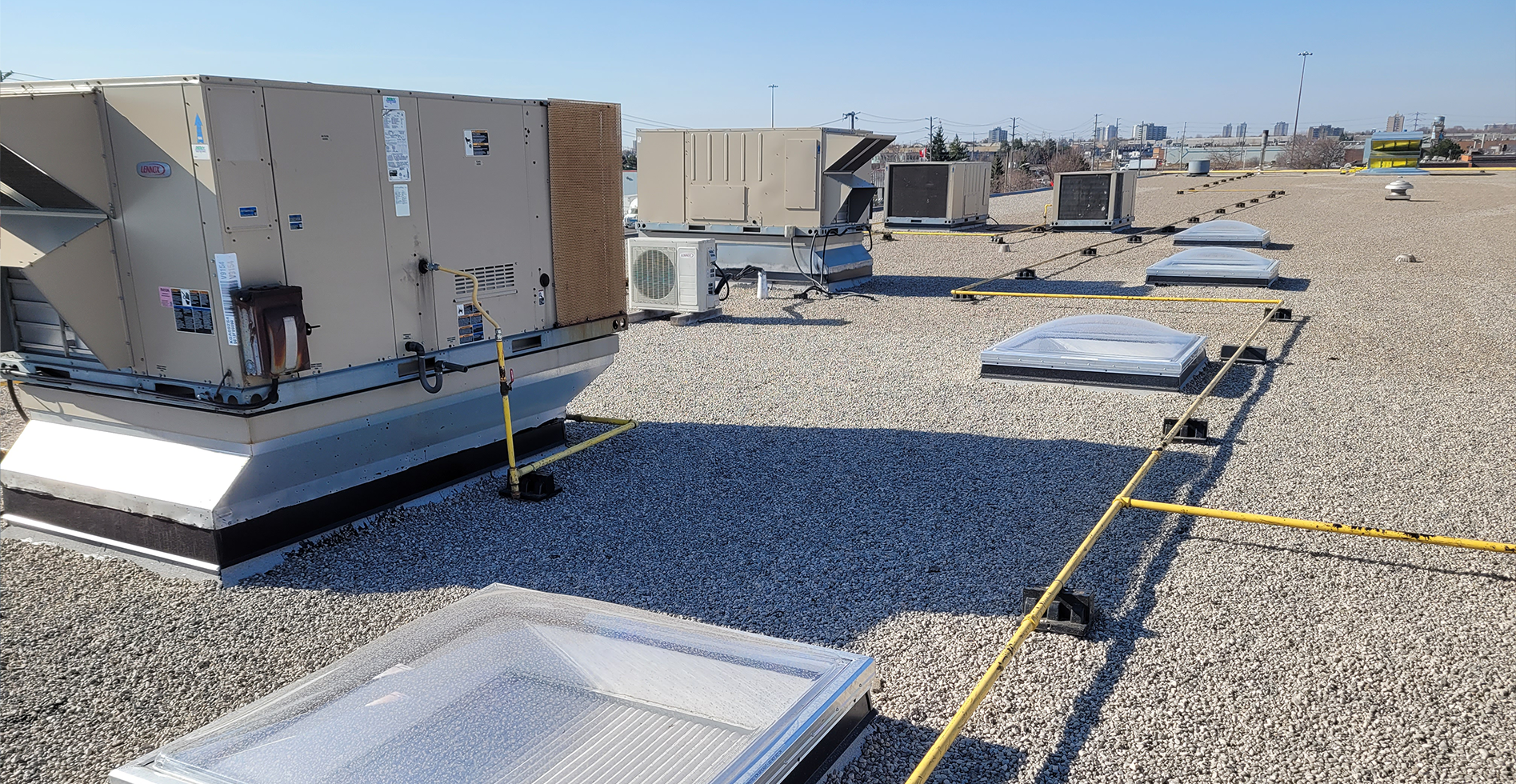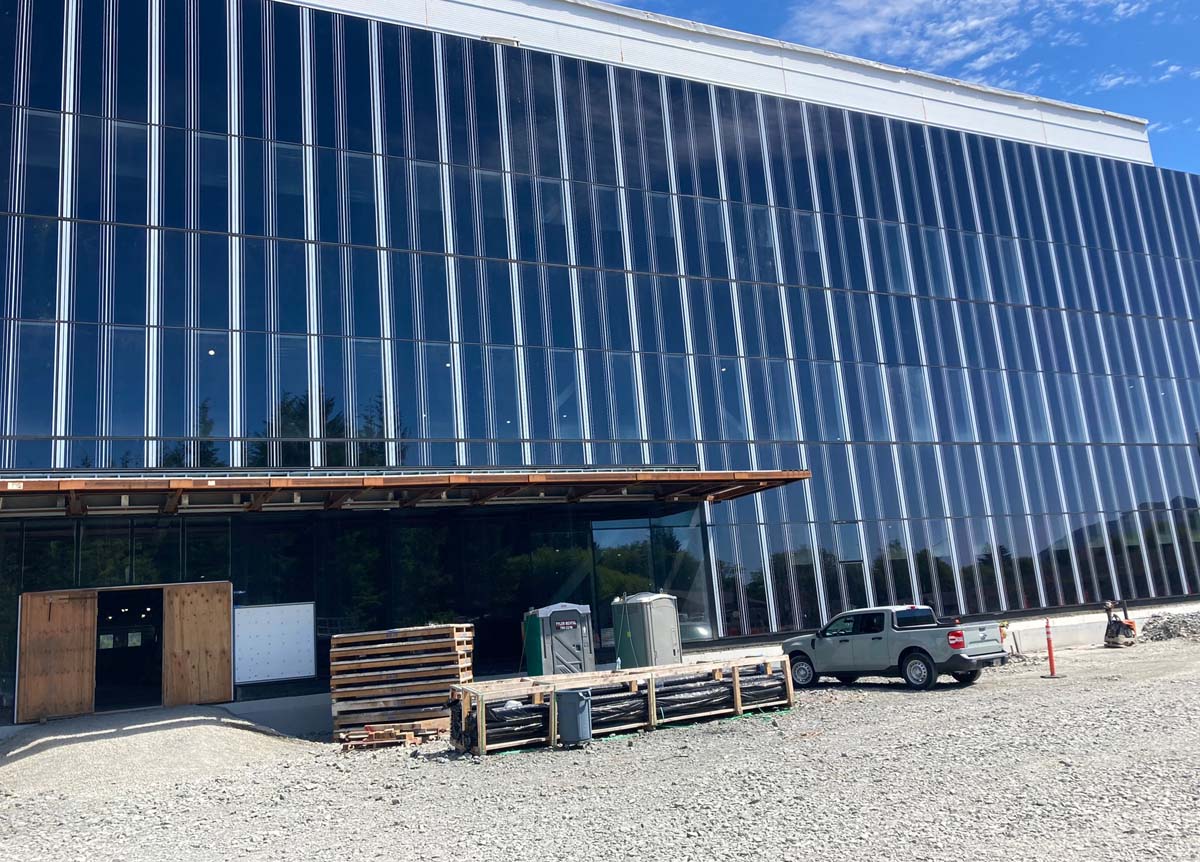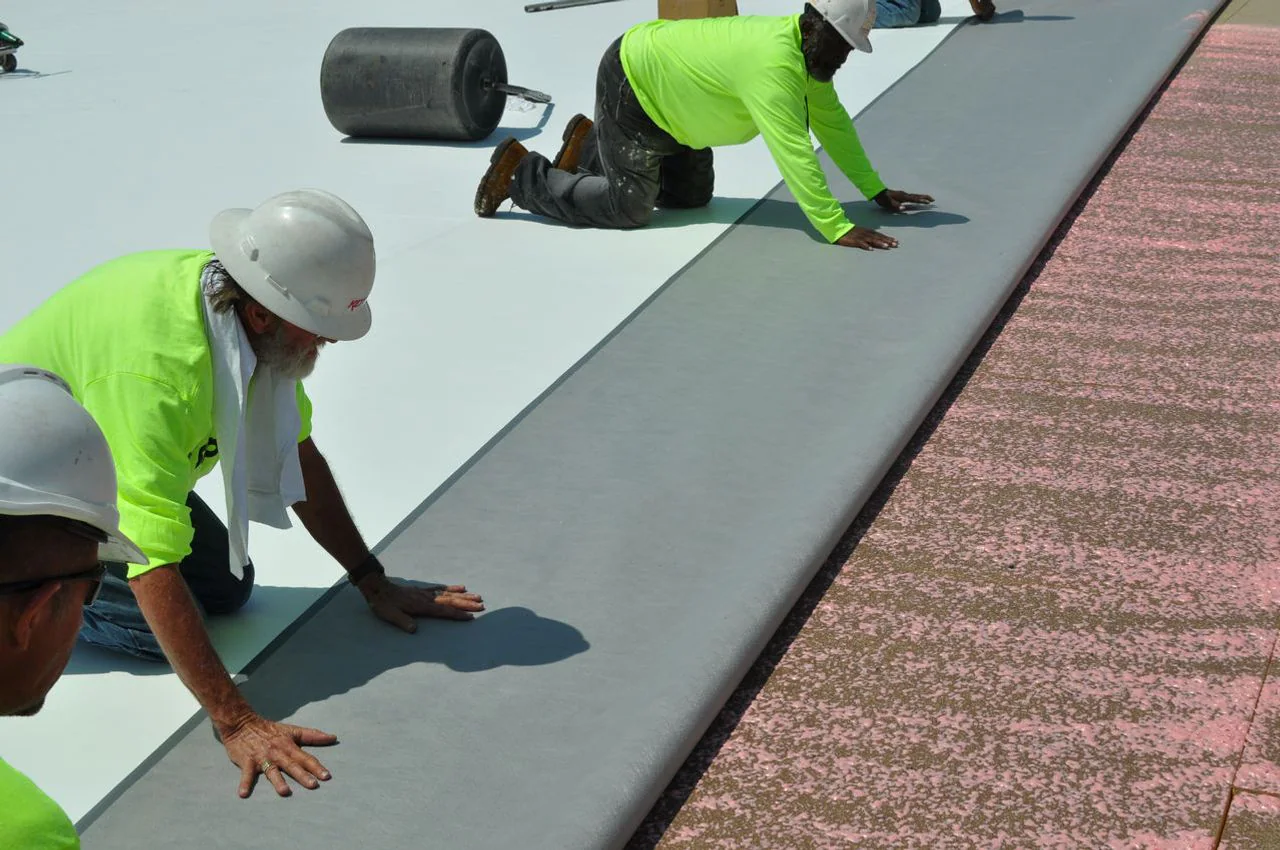
Commercial roofing for public and private schools, K-12 campuses, and educational facilities throughout Dallas, TX.
Dallas Independent School District is one of the largest urban school districts in Texas, serving more than 140,000 students across a building inventory that encompasses historic early-twentieth-century school buildings in the urban core alongside modern high school campuses built during the district's major facility investment programs of the 1990s and 2000s. The roofing challenges across DISD's portfolio are as varied as the buildings themselves, and managing that portfolio effectively requires a contractor community with genuine institutional experience in large-scale public school roofing rather than residential contractors who have expanded into commercial work.
Hail is the primary weather risk driver for Dallas ISD roofing, and no discussion of school roofing in Dallas County can proceed without addressing it directly. The district's building inventory spans the same Tarrant-Dallas hail corridor that subjects Fort Worth churches to repeated impact events, and the consequences for school buildings are severe — a hail event that damages roof membranes on a dozen DISD campuses simultaneously can generate millions of dollars in repair and insurance claim work that strains the district's facility department and its insurance carrier relationships. Class 4 impact-resistant TPO systems have become the dominant specification across the DISD portfolio precisely because the insurance and maintenance cost savings justify the modest premium in material cost over multiple building lifecycles.
Large institutional roof areas define the scale of Dallas ISD projects. High school campuses in the district routinely have 200,000 or more square feet of rooftop area, and the gymnasium, cafeteria, and classroom wings of a typical DISD secondary campus present a complex drainage and equipment penetration landscape that requires experienced commercial roof designers — not residential roofers — to address properly. Interior drainage systems in older DISD buildings are often undersized by modern standards and poorly maintained, creating ponding conditions that accelerate membrane degradation and create structural loading concerns. Modernizing drainage capacity during a roof replacement is a component of properly specified DISD roofing projects.
Summer scheduling is the operational foundation of DISD's roofing program. The district operates on a traditional school calendar, and the construction window runs from late May to mid-August. DISD's large scale means that multiple campuses are typically under construction simultaneously during the summer, and the district's project management team — or the construction manager employed on bond-funded programs — coordinates across all active sites to manage contractor resources, inspection schedules, and permit compliance. A contractor serving DISD must have the organizational capacity to manage multiple concurrent projects without allowing quality to suffer on any individual campus.
Texas prevailing wage requirements under Chapter 2258 of the Texas Government Code apply to all DISD construction contracts, and the district's procurement staff are experienced in monitoring compliance and enforcing the certified payroll submission requirements. Contractors who attempt to underbid DISD work by underestimating prevailing wage costs or by misclassifying workers to avoid compliance create legal and financial exposure for both themselves and the district. DISD's reputation for thorough contract compliance oversight means that the contractor community serving the district understands these requirements and complies with them as a matter of course.
Bond program accountability is a central feature of the Dallas ISD capital construction environment. DISD voters have approved multiple bond programs over the past two decades, each with a Citizens Bond Oversight Committee that reviews project expenditures, monitors construction quality, and reports to the board of trustees and the public on program performance. Contractors working on bond-funded DISD roofing projects operate under a level of public accountability that is unusual in the commercial roofing market, and their work quality — from the condition of their job sites to the completeness of their closeout documentation — is subject to scrutiny that rewards professionalism and punishes shortcuts.
DISD's facility portfolio includes some of the city's most architecturally significant school buildings. Skyline High School, Bryan Adams High School, and other large DISD campuses have distinctive architectural features — curved rooflines, complex geometries, and custom metal roofing systems — that require specialized roofing expertise that goes beyond standard flat-roof membrane replacement. Contractors who have worked successfully on architecturally complex institutional buildings in the Dallas market bring technical capabilities that straightforward flat-roof specialists may lack.
Energy performance is increasingly central to DISD's facility investment strategy. The district has made public commitments to sustainability goals, and capital roofing projects are evaluated in part against their projected contribution to energy efficiency targets. Comprehensive reflective roofing with improved insulation levels has been a key component of DISD's energy efficiency investment program because of the measurable impact on summer cooling costs across a large building portfolio operating through the extreme North Texas summer.
Safety programs on DISD summer construction sites must meet both OSHA commercial construction requirements and the district's own supplemental safety standards, which typically go beyond OSHA minimums to address the specific risks of construction near school facilities. Daily safety tailgate meetings, fall protection compliance, debris containment, and clear delineation of construction zones from any occupied building areas are standard requirements. DISD project managers conduct regular safety inspections on active construction sites, and contractors with strong safety records demonstrate the organizational discipline that the district requires from its facility partners.