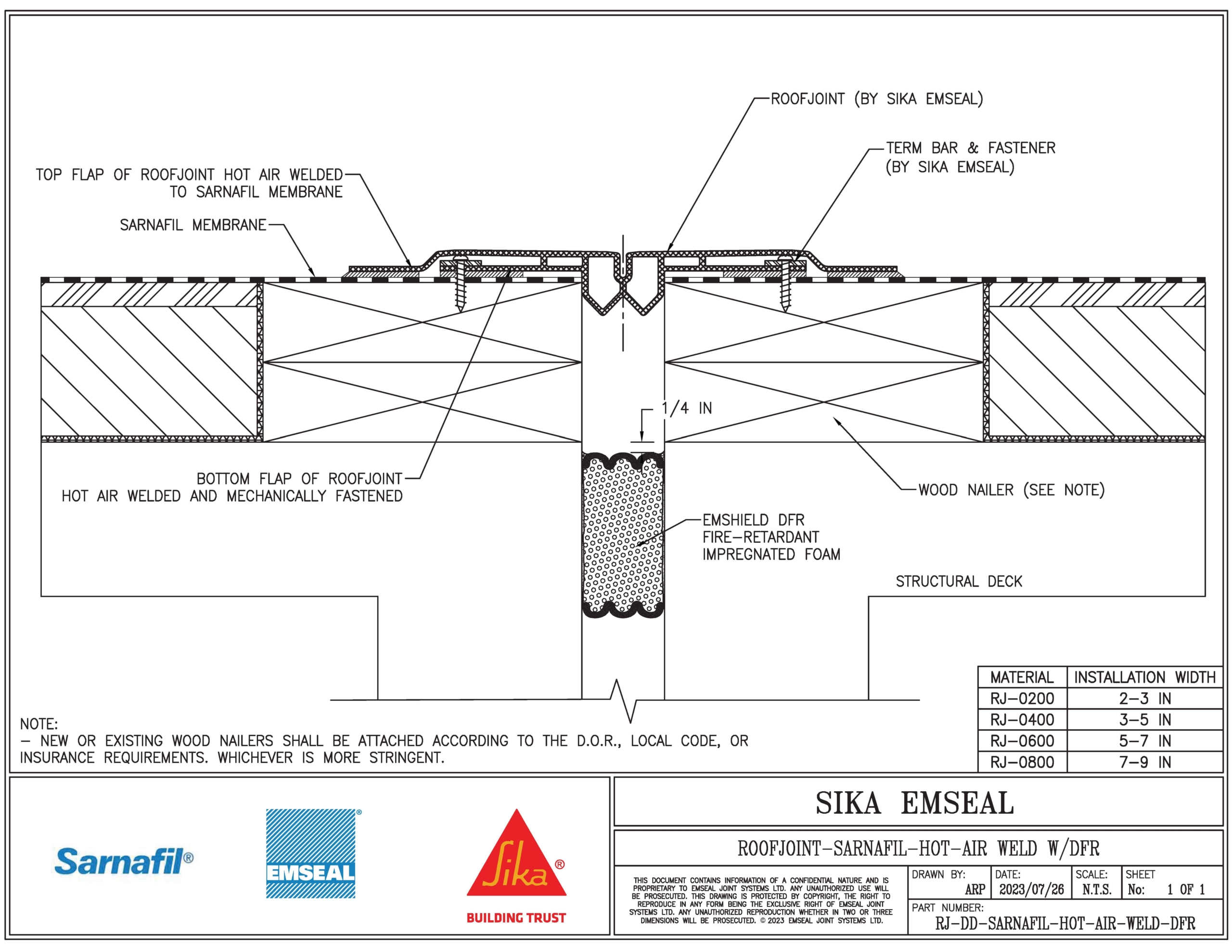
PVC membrane is the right specification for Dallas restaurants, food processing, and chemical-exposure industrial buildings. We install 50-mil and 60-mil systems with 25-year manufacturer warranty paths.
Animal fats and cooking oils are the enemy of standard TPO and EPDM membranes. Restaurant kitchen exhaust carries grease particulate that degrades both membrane types on contact, accelerating plasticizer loss and surface cracking over 5-10 years of exposure. PVC is chemically resistant to animal fats, vegetable oils, and the industrial cleaning chemicals that restaurant operators use on rooftop grease trap systems. This is why PVC is the specified membrane on commercial kitchens, food processing facilities, and restaurant buildings — not a preference, a performance requirement.
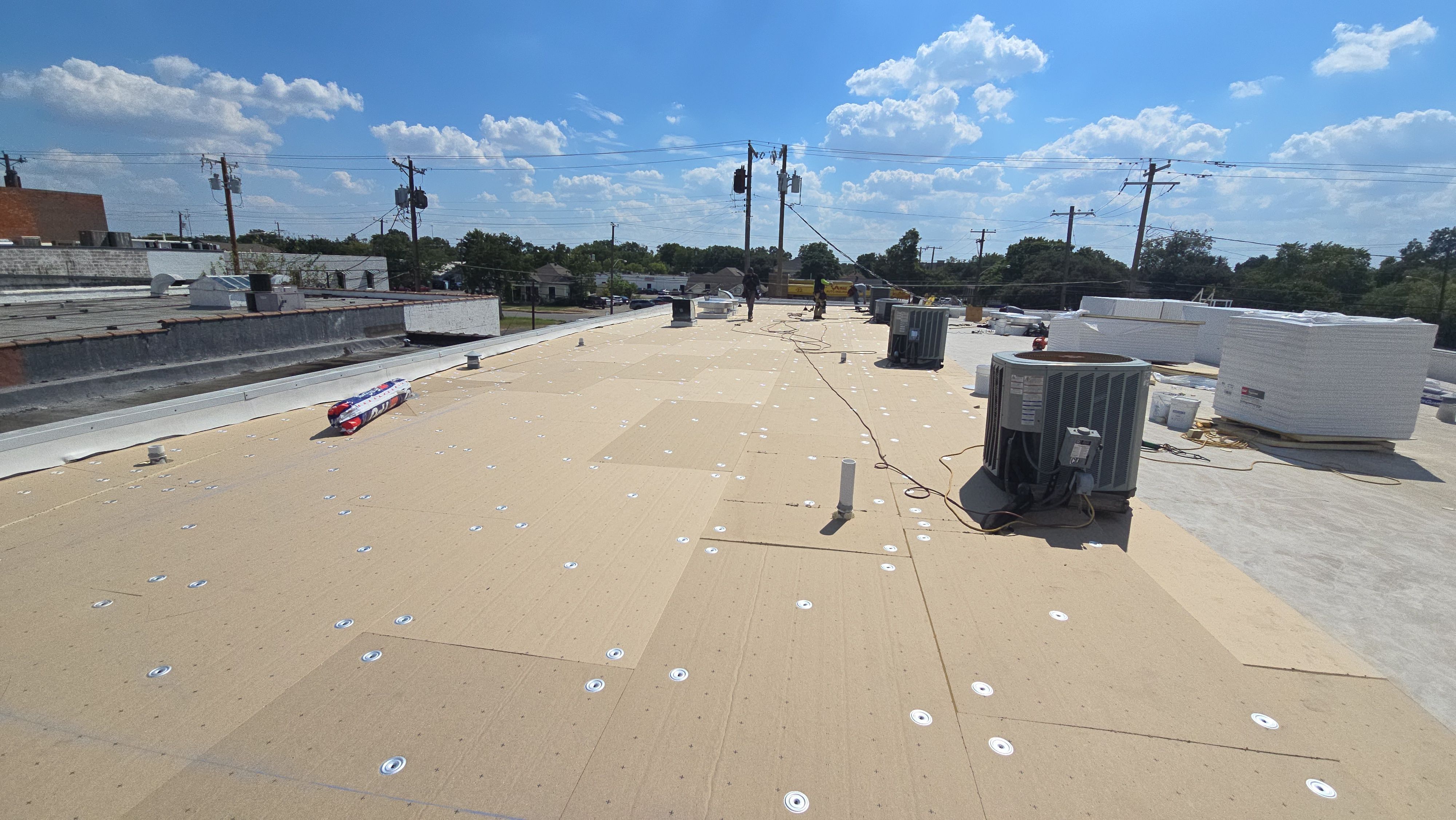
The Trinity Industrial District south of downtown Dallas runs a mix of food processing, chemical storage, and light industrial operations that produce a similar chemical exposure profile. We run PVC roofing projects through this corridor regularly — replacing degraded EPDM and early-generation TPO that has shown surface checking and membrane brittleness from chemical exposure. The replacement scope is almost always a 60-mil mechanically attached PVC with compatible chemical-resistant flashings.
PVC is also the membrane of choice for buildings seeking a 25-year manufacturer warranty. Sika Sarnafil and Versico both offer 25-year NDL warranty paths on their PVC systems — the longest standard manufacturer warranty term available for single-ply commercial roofing in Dallas.
50-mil PVC: Entry-level commercial specification, typically carrying a 15-year or 20-year manufacturer NDL warranty. Appropriate for light-use commercial buildings without significant chemical exposure or mechanical foot traffic. We rarely specify 50-mil on new restaurant or food processing installations — the additional cost of 60-mil is a small percentage of total project cost with meaningful performance benefit.
60-mil PVC: Standard specification for restaurant, food processing, and chemical-exposure applications. Carries 20-year NDL warranties from most manufacturers and qualifies for 25-year NDL warranty from Sika Sarnafil and Versico on qualifying system configurations. Substantially more puncture-resistant than 50-mil and better suited to the rooftop foot traffic that restaurant buildings generate (grease trap maintenance, HVAC refrigerant service, rooftop ventilation cleaning).
Dallas has one of the highest densities of independent and chain restaurant commercial buildings in the South — from the Restaurant Row on Greenville Avenue to the Knox-Henderson and Uptown dining corridors to the regional strip center restaurant inventory across the I-635 ring. Most of these buildings have flat or low-slope roofs with a rooftop exhaust system that runs 12-16 hours per day.
The failure pattern we see on restaurant TPO roofs that were not specified for chemical exposure: surface chalking and granular texture loss within 3-5 years of install, followed by membrane brittleness and seam check-cracking at years 7-10. A TPO roof that would last 25 years on an office building runs 10-12 years on a high-volume restaurant kitchen exhaust exposure. The total cost of two TPO cycles over 25 years is substantially higher than one PVC cycle with a 25-year warranty.
We do a surface chemistry test on any roof where we suspect chemical exposure history before specifying the replacement membrane. If the existing membrane shows chemical degradation, we document it and specify PVC.
Automotive and heavy industrial: Chemical storage, solvent handling, and parts washing operations produce chemical exposure profiles that degrade EPDM and some TPO formulations. PVC handles a wide range of industrial chemical splashes — though the specific chemical resistance profile should be confirmed against the tenant's specific chemical inventory. We ask about the chemical environment before specifying the membrane.