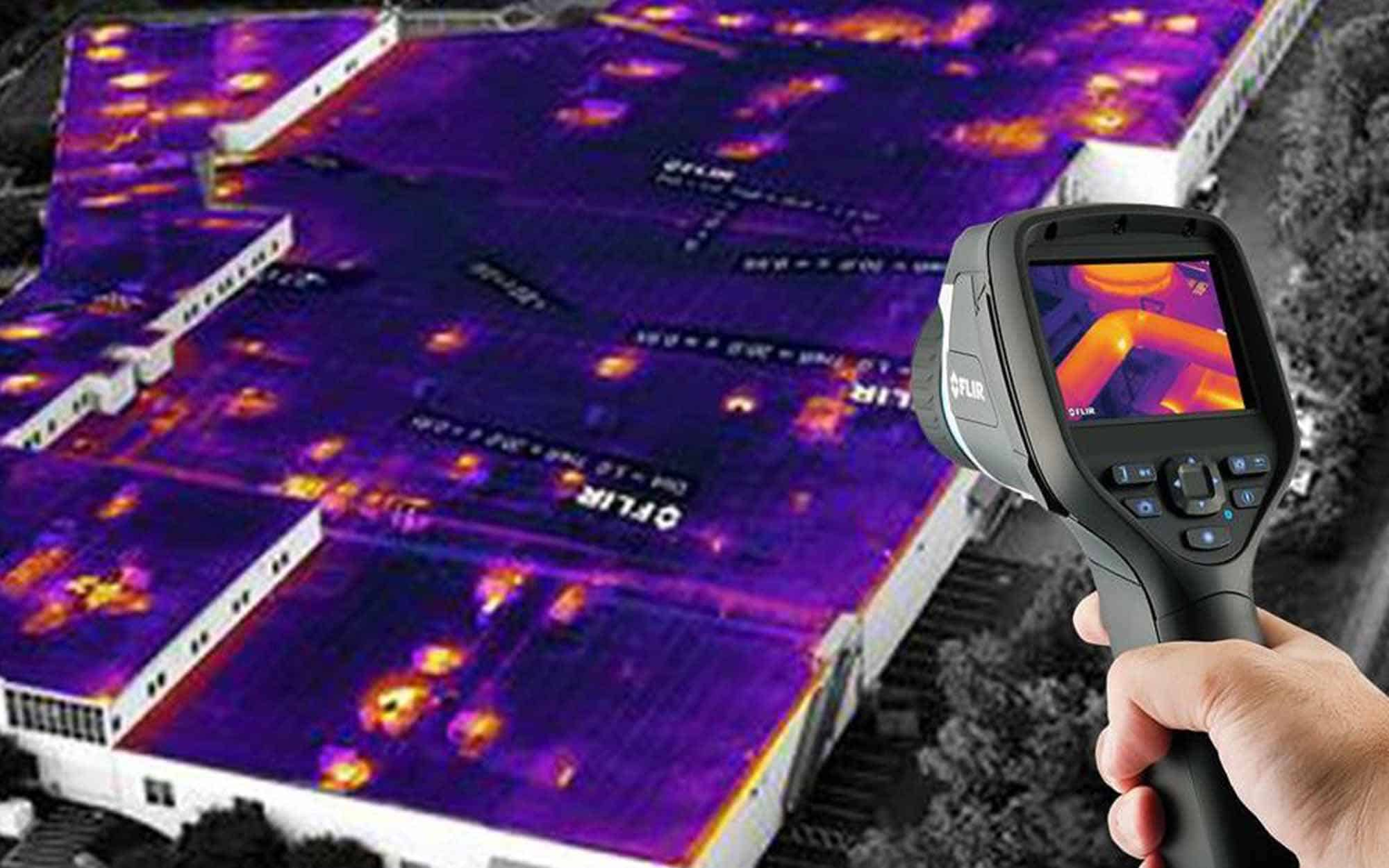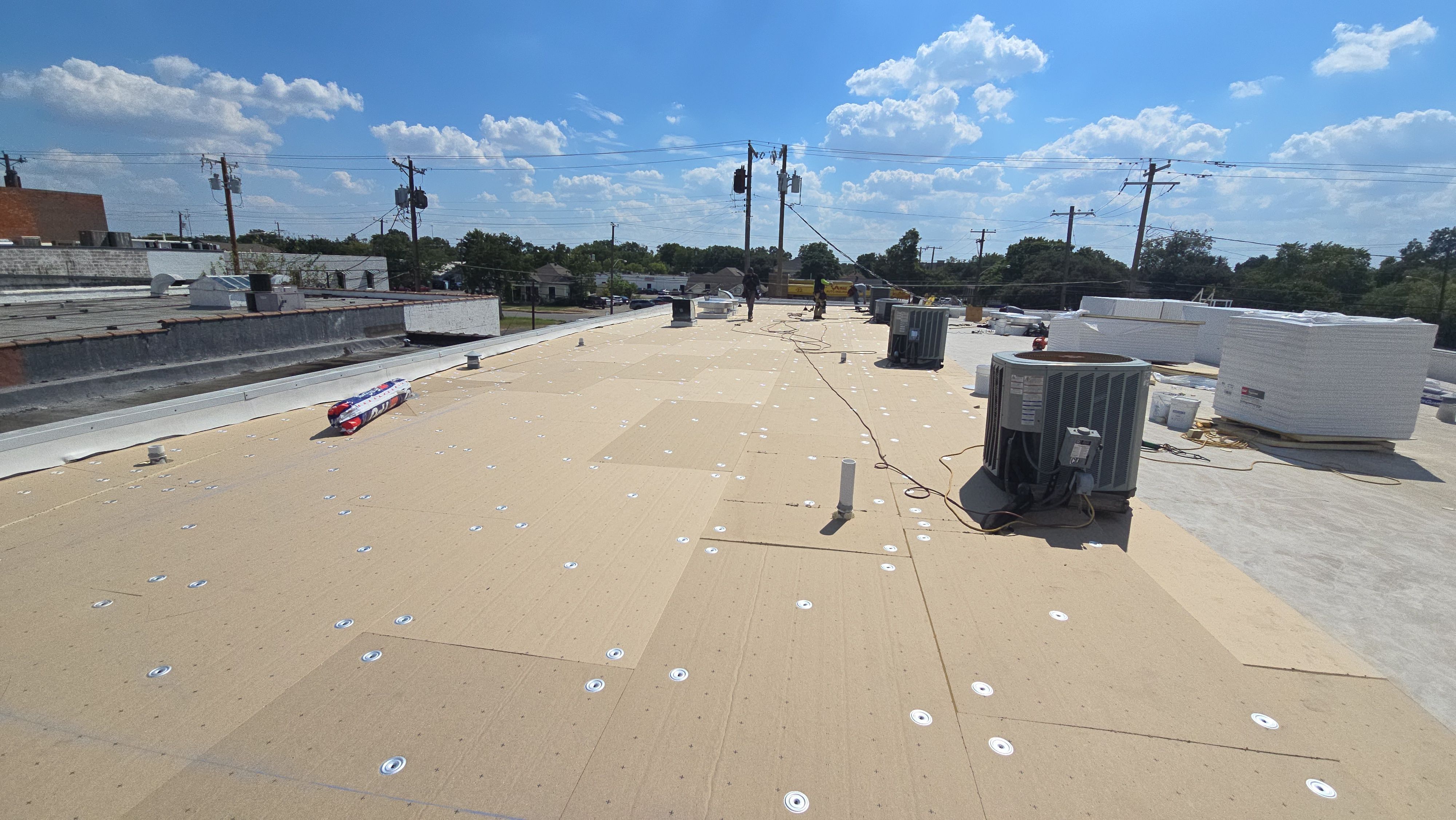
Dallas asset owners with five buildings or fifty need roof condition data that compounds over time — not a series of disconnected inspection reports. We maintain the condition record, the capital forecast, and the warranty-status log for your whole portfolio.
A single commercial roof is a repair-and-replace decision. A portfolio of commercial roofs is a capital sequencing problem. Dallas asset owners who manage multiple buildings across the metroplex — whether they are a regional REIT, a family office with industrial holdings, or a hospital system with a campus of medical office buildings — face the same problem: roofing is expensive, roofing happens on different cycles on every building, and the information about which building needs what in which year is usually scattered across contractor invoices, inspection reports from three different vendors, and institutional memory that walks out the door when the facility director changes.
Our asset management program is the operational layer that sits between individual roof inspections and the capital plan. We maintain a master condition record for every roof in your portfolio, track warranty expiration and maintenance-requirement dates, and produce a capital forecast that sequences replacements against your available budget and the actual condition data — not the manufacturer's theoretical membrane lifespan.
We currently manage roof assets across Class A office in Uptown, industrial portfolios in Stemmons and Garland, medical office buildings around the UT Southwestern and Baylor campuses, and retail strip centers along the major Dallas trade corridors. Each portfolio has a different mix of membrane types, ages, and warranty statuses. The management system is the same: condition data over time, capital forecast on a rolling five-year horizon, and warranty status that tells you which roofs need documented maintenance this year and which ones have already lapsed.
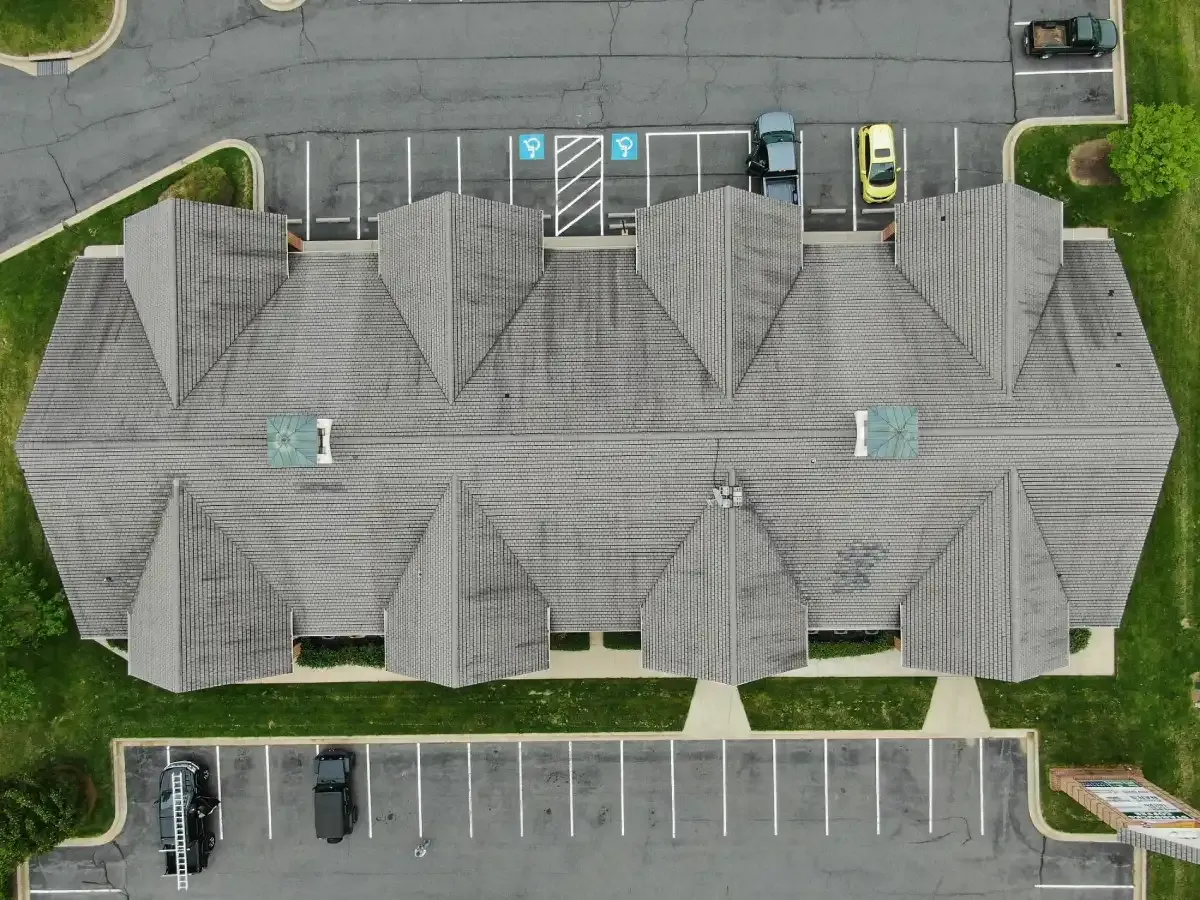
Every building in the portfolio gets a zone-keyed roof diagram that becomes its permanent record. Every inspection updates the record — condition ratings change, new defects are documented, repaired items are closed out. Over three to five years, the condition record for each building shows whether the roof is holding, degrading slowly, or degrading fast. That trend data is what the capital plan is built from.
We rate each zone on a 1-5 condition scale on each inspection: 5 is new or like-new, 4 is minor wear with no near-term action needed, 3 is moderate wear with monitoring or preventive repair, 2 is significant deterioration with repair-or-replace decision imminent, 1 is at or past serviceable life with replacement in the current capital cycle. The zone ratings aggregate to a building-level score and a portfolio-level summary — so an asset owner can see at a glance which buildings are green, which are yellow, and which are in the replacement queue.
The capital forecast rolls five years. Year one is the replacement or major repair projects we have already scoped and priced. Years two through five are projected based on current condition trajectories and manufacturer lifecycle data. The forecast includes a cost band (not a precise number, because costs move with material pricing) and a sequencing recommendation that prioritizes the buildings where delay is most expensive — buildings where deterioration is accelerating, where warranty exposure is highest, or where an active tenant is directly at risk.
Dallas portfolio owners with thirty-plus buildings typically find that four to six buildings are in the replacement queue at any given time. Without a sequencing plan, they end up either over-spending by doing too many at once or under-spending and then facing emergency-mode replacements at premium cost when roofs fail unexpectedly. The capital forecast gives the asset manager a defensible basis for the annual capital ask and a multi-year spending plan that levels the annual cost.
We update the forecast annually at the end of the inspection cycle. If a building has a significant change — major hail event, emergency repair that changed the condition trajectory, tenant build-out that added rooftop penetrations — we update that building's record and rerun the forecast before the next capital planning window.
Manufacturer warranties on commercial roofs have two failure modes: they expire by time, or they lapse because the required annual maintenance was not documented. For a portfolio owner, tracking warranty status across twenty or thirty buildings is a spreadsheet problem that most facilities teams do not maintain accurately.