214-441-608924/7 Emergency SupportDallas, Texas Commercial Roofing

Damage Response

Structural Roof Damage Assessment for Dallas Commercial Buildings

Structural roof damage assessment for Dallas commercial buildings — deck and joist condition evaluation, load-bearing assessment after corrosion or impact damage, and structural engineering coordination.

Inspect

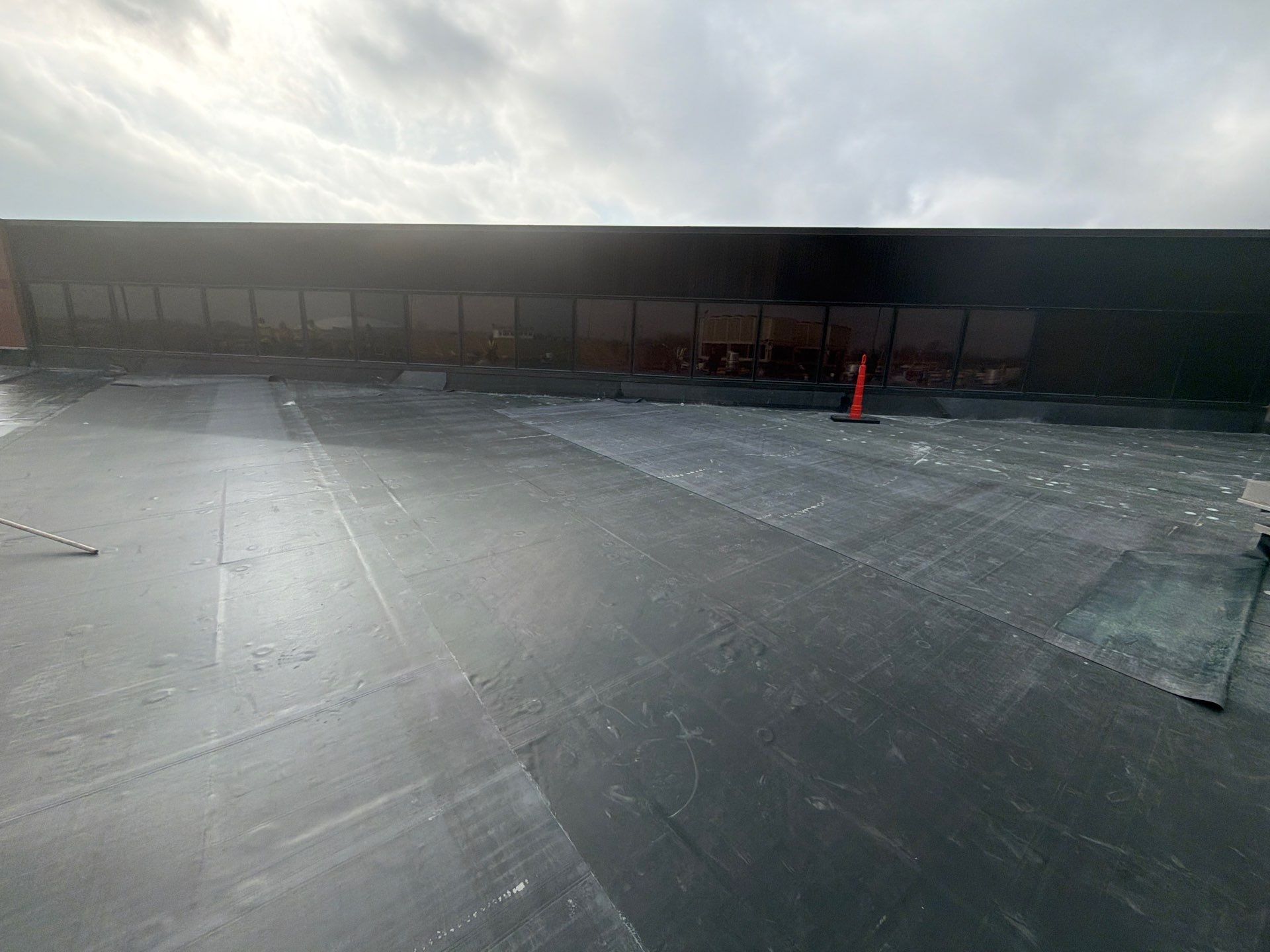
Document membrane age, drainage, access, penetrations, storm marks, and active leak points.

Scope

Choose repair, recover, coating, replacement, or maintenance from field evidence.

Maintain

Keep logs, post-storm notes, warranty closeout, and capital timing in one usable record.

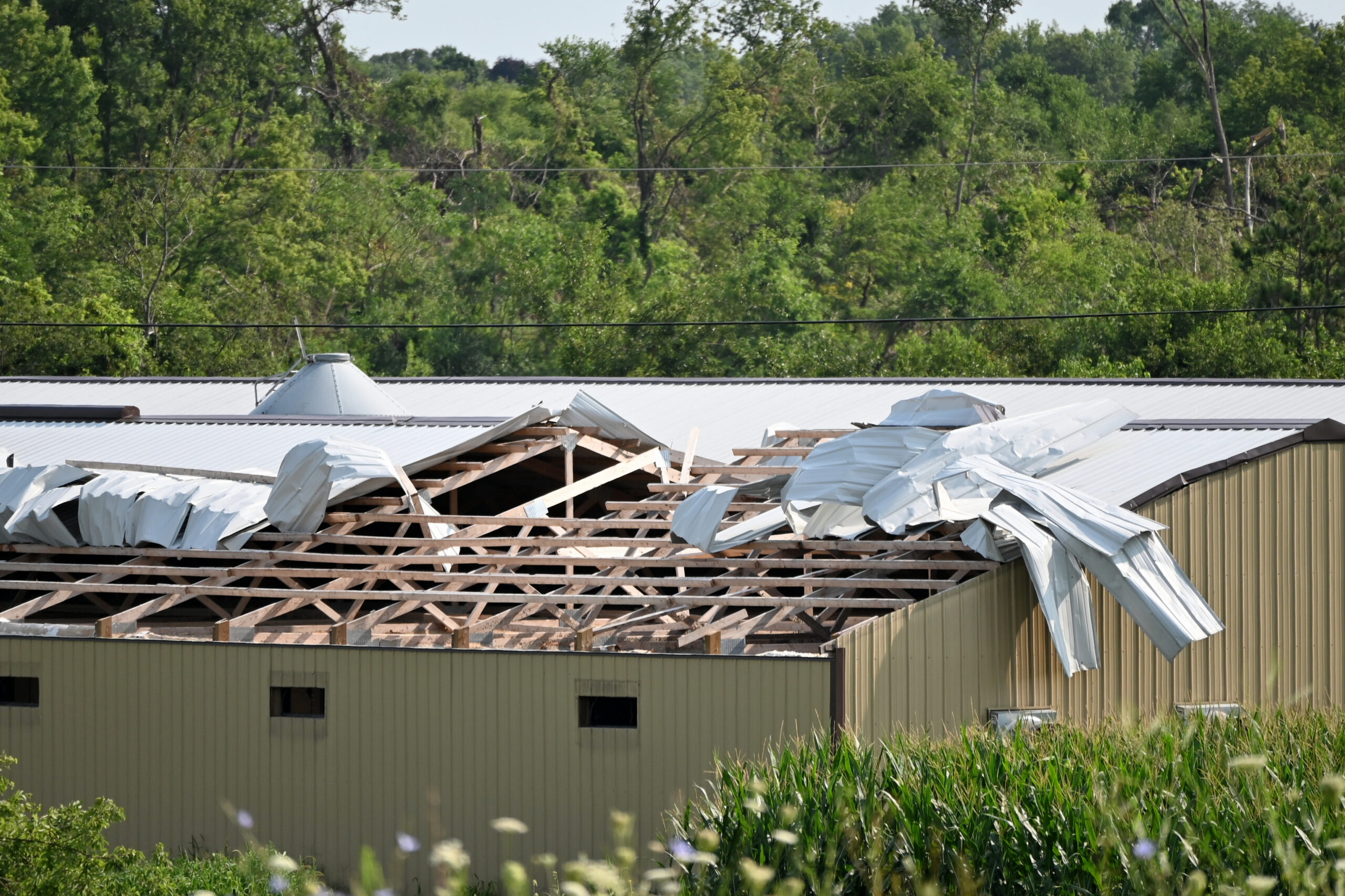
When the damage goes deeper than the membrane, the scope changes. We identify structural deck and joist damage, document it precisely, and coordinate with structural engineers before the repair sequence starts.

A roofing contractor's scope ends where the structural system begins — but knowing where that line falls, and communicating clearly about it, is not something every roofing contractor does well. We do this work specifically because building owners need someone who can read the difference between a roofing problem and a structural problem, and who will tell them clearly when the structural engineer needs to be in the room before any repair decisions are made.

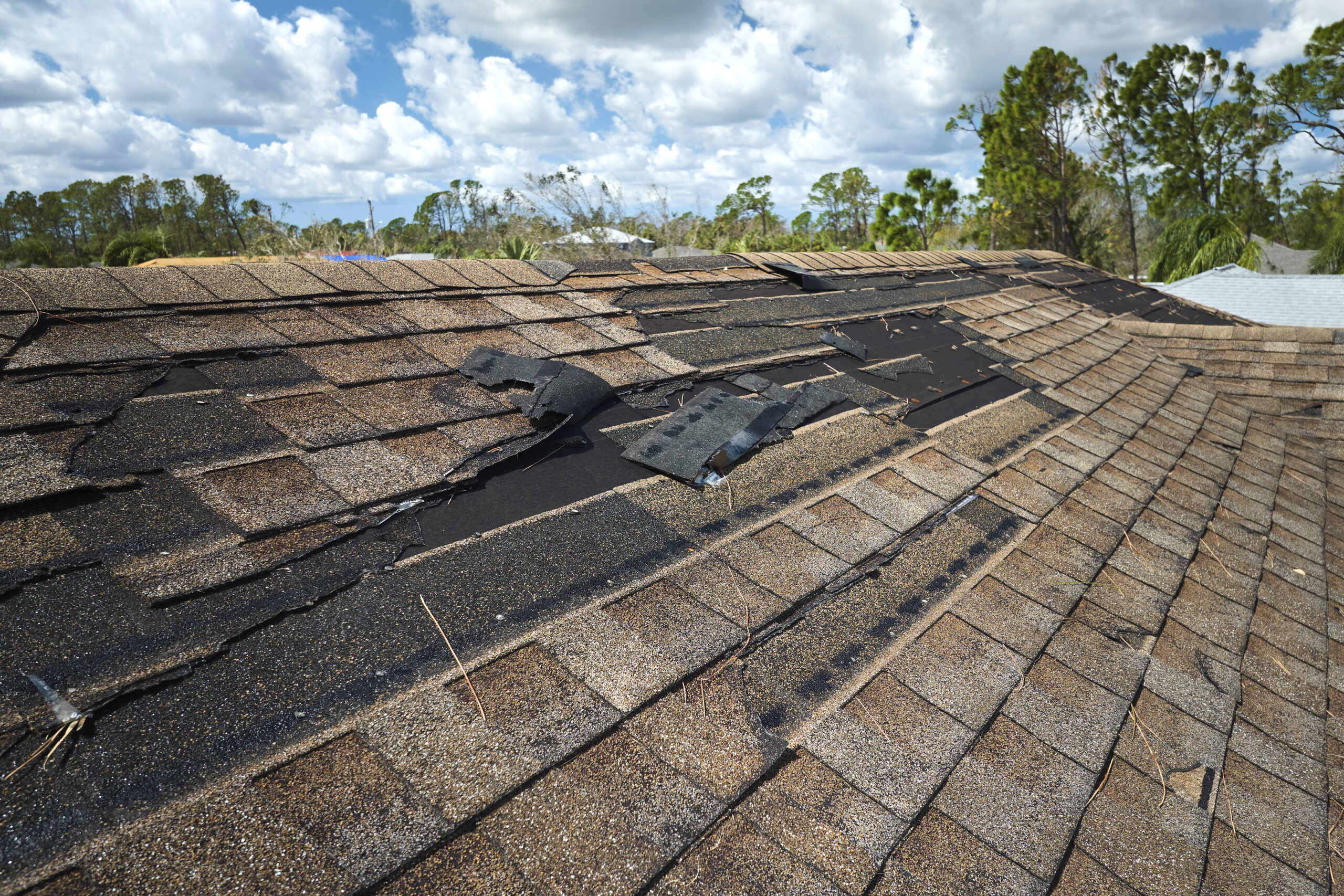
Structural roof damage on Dallas commercial buildings typically falls into three categories: deck damage from concentrated loads or impact events (equipment falls, vehicle impacts on parking decks, extreme wind loading), deck corrosion from long-standing moisture exposure under failed roofing systems, and joist or beam damage from those same moisture exposure events or from extreme storm loading. All three require a different process than a standard roofing repair scope.

We produce structural damage documentation that the structural engineer can use as a starting point — zone-level damage mapping, core sample results at the moisture/corrosion interface, and deck inspection port photographs at every location we assess.

Deck assessment after a damage event begins with visual inspection from below — walking the building's ceiling structure to identify any visible deflection, distortion, or displacement in the deck panels. Most Dallas commercial buildings with exposed decks below an open warehouse or mechanical space allow this direct inspection. Buildings with dropped ceilings require access panels or camera inspection at strategic locations.

From the roof surface, we open deck inspection ports at every location where the damage history or moisture mapping suggests deck compromise. An inspection port is a cut through the membrane and insulation — typically 12-inch square — that exposes the deck surface for direct inspection. We photograph the deck surface at each port, measure any visible section loss from corrosion, probe for delamination or fracture in plywood decks, and document the condition against the manufacturer's structural capacity criteria.

The output is a deck condition map: each inspection port location plotted on the zone diagram with a condition rating — sound, marginal, or compromised — and the specific evidence for that rating. The structural engineer uses this map to determine where additional assessment is needed and where deck replacement is required before roofing work can proceed.

Metal deck corrosion on Dallas commercial buildings is primarily driven by chronic moisture exposure under failed roofing systems — the sequence described in the ponding water damage section. The corrosion concentrates in the deck flute valleys because that is where moisture accumulates on the deck surface. Flute valley section loss progresses from surface rust (no structural impact) through partial section loss (reduced capacity, requires engineering review) to perforation (structural failure at that location).

We photograph and measure section loss at every inspection port where corrosion is present. Section loss measurements are made against the undamaged top flange of the same deck panel to establish baseline thickness. A structural engineer uses those measurements to determine whether the deck's composite structure with the roofing assembly still meets its rated capacity, or whether replacement is required.

In Dallas's climate, deck corrosion progresses faster than in lower-humidity markets. A building with a 10-year history of unaddressed ponding water has a different corrosion risk profile than one with a two-year leak that was recently repaired. We note the estimated duration of moisture exposure in the inspection port documentation so the structural engineer has context for the corrosion rate assessment.
Damage Response

Questions we answer before work starts.

How do we know if our roof damage is a structural issue or just a roofing issue?

Visual indicators from below: deck deflection, visible joist distortion, cracking or displacement at the wall-to-deck connection. Visual indicators from above: large-scale membrane deflection that tracks the deck panel pattern, significant ponding with no obvious drain failure cause. We walk both surfaces on every structural damage assessment and tell you clearly what we see and what it suggests.

Can you coordinate directly with our structural engineer?

Yes. We share inspection port documentation, core sample results, and zone-level condition maps directly with the SE. We are available for a joint site visit if the SE wants to see specific locations we have documented. Coordinating the roofing and structural scopes is faster and produces better outcomes than having the two disciplines work in sequence without communication.

If the deck needs replacement, does the building need to be shut down?

Partial deck replacement — replacing compromised panels in specific zones while the rest of the building remains intact — can often be done with temporary shoring and phased work that keeps most of the building operational. Full deck replacement is a more significant project that typically requires more substantial operational impact. The structural engineer's scope determines what the construction sequence needs to be.

Damage Repair

Related Damage Repair

Damage Response

Wind Damage Roof Repair for Dallas Commercial Roofs

Wind damage on a flat commercial roof does not always look like wind damage. The failure pattern depends on attachment method, membrane age, and where the wind hit. We read those patterns and build documentation that captures what actually happened.

Damage Response

Tornado Damage Roof Repair for Dallas Commercial Buildings

Tornado damage assessment and repair scope for Dallas commercial flat roofs — structural deck evaluation, EF-scale damage documentation, full-system replacement scope, and FEMA documentation support.

Damage Response

Commercial Roof Leak Repair in Dallas

Diagnostic leak tracing and permanent repair for Dallas commercial flat roofs — smoke testing, water testing, common leak source identification, and the difference between a real fix and a temporary patch.

Damage Response

Ponding Water & Water Damage Roof Repair in Dallas

Ponding water damage assessment and repair for Dallas commercial flat roofs — drain failure cascading damage, insulation moisture mapping, deck corrosion evaluation, and permanent drainage correction.

Roof Service

Industrial Roofing in Dallas, TX

Industrial Roofing for manufacturing facilities, warehouses, and industrial buildings throughout Dallas area.

Roof Service

Humidity & Trapped-Moisture Roof Repair in Dallas, TX

Repair for trapped moisture, blistering, ridging, and saturated insulation in Dallas, TX commercial roofs. We diagnose interior humidity and failed vapor barriers, then fix the cause.

Roof Service

EPDM Roofing — Installation and Replacement in Dallas, TX

EPDM commercial roofing installation and replacement on Dallas industrial buildings — 60-mil systems, mechanically attached and fully adhered, with manufacturer warranty closeout.

Damage Response

Fire Damage Roof Repair for Dallas Commercial Buildings

Post-fire roof scope assessment and repair for Dallas commercial buildings — rooftop equipment fires, lightning strikes, adjacent structure fires, deck replacement decisions, and insurance documentation support.