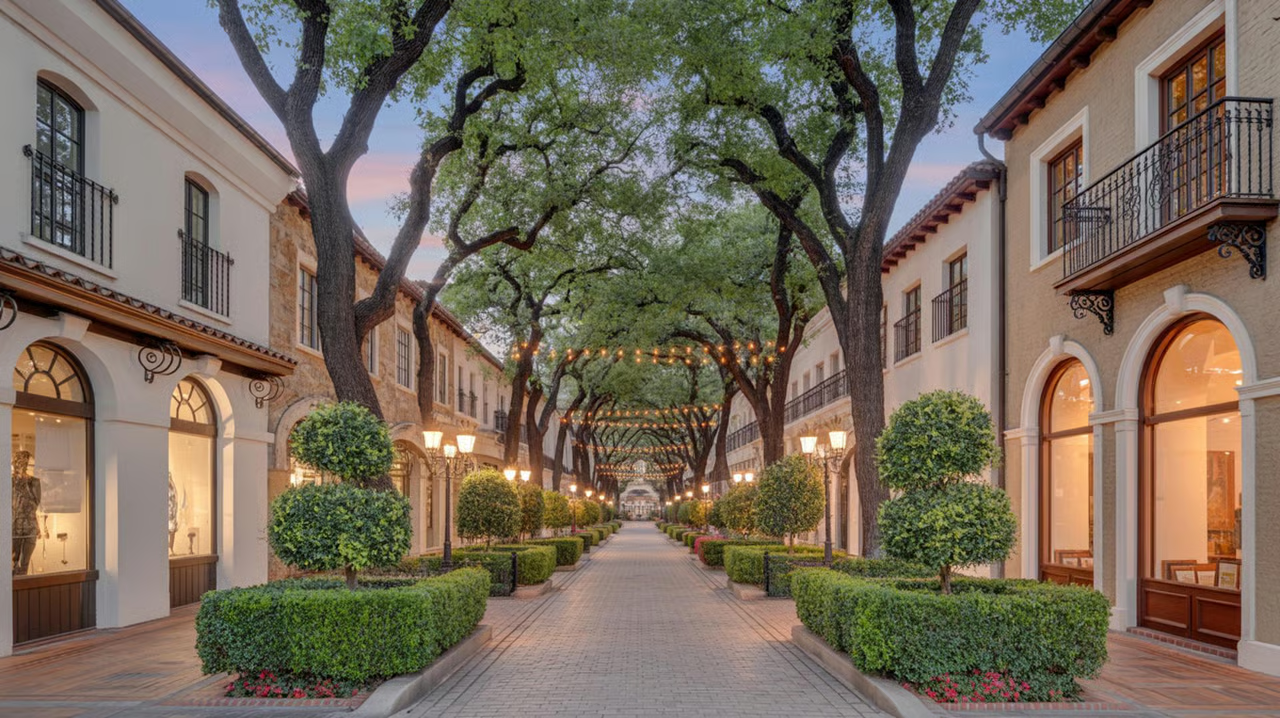
Highland Park's 1920s and 1930s commercial buildings — Highland Park Village, the Mockingbird Lane retail corridor, and the historic structures along Douglas Avenue — represent some of the oldest continuously maintained commercial roofing inventory in DFW. We handle the sensitive scope work these buildings require.
Highland Park's commercial inventory is among the oldest and most carefully maintained in the Dallas metro. The 1931 Highland Park Village anchor and the surrounding commercial blocks date from the 1920s and 1930s — they were built when commercial flat roofing meant coal-tar pitch BUR on wood plank decks, and many of them still have vestigial layers of that original construction underneath decades of subsequent patching and recover work.
Working on these buildings is fundamentally different from working on a 1990s suburban strip center. The parapet walls are load-bearing masonry that has settled and moved over 90 years. The drain bodies are cast iron, some original, some replaced through the 1950s and 1960s. The structural deck condition underneath layers of old roofing is unknown until you open it up. We approach every Highland Park historic commercial roof scope with the assumption that we are going to find something unexpected — and we build our production schedule and contingency budget to account for that.
Highland Park's commercial work is also subject to the scrutiny that comes with one of Texas's most engaged and affluent municipalities. The Town of Highland Park's permit and inspection process is thorough, and the property owners here expect the highest quality of workmanship and documentation.
Highland Park Village was designated a National Historic Landmark in 2000 — the first shopping center in the United States to receive that designation. The original 1931 Fooshee and Cheek-designed structures have been maintained with extraordinary care, but roofing systems age regardless of how carefully the visible architecture is preserved. The original wood-plank deck on the 1931 sections is covered by multiple generations of roofing systems. When we open these roofs, we document each layer before removal — the documentation has historic value beyond the roofing scope itself.
The 1931 structures use clay tile on the pitched roof sections and built-up roofing on the flat sections. The flat sections are what we work on — the clay tile is maintained by a masonry specialist, not a roofing contractor. The flat-section BUR or modified bitumen systems have typically been recovered multiple times. Our scope on these sections is to remove all layers down to the deck, assess deck condition, replace any deteriorated deck boards, and install a new low-slope system that can carry a manufacturer warranty without disturbing the historic facade.
The retail and office buildings along Mockingbird Lane west of Preston Road and along Douglas Avenue represent a secondary tier of Highland Park commercial inventory — built mostly in the 1940s and 1950s, still with masonry construction and concrete or wood-plank decks, but more utilitarian in character than Highland Park Village. These buildings are in the most active reroof cycle of any Highland Park commercial inventory segment: the 1940s-50s built-up roofing systems have been recovered once or twice and are now at the point where the recover path is no longer viable.
The replacement scope for a typical Mockingbird-area commercial building runs 3,000-10,000 square feet — small by industrial standards but complex by penetration and parapet-detail count. These buildings often have original cast-iron drain bodies with 4-inch outlets that are undersized for current drainage calculations; we replace with standard 4-inch-throat cast-iron drain bodies with 6-inch outlet adapters where the existing roof structure allows.
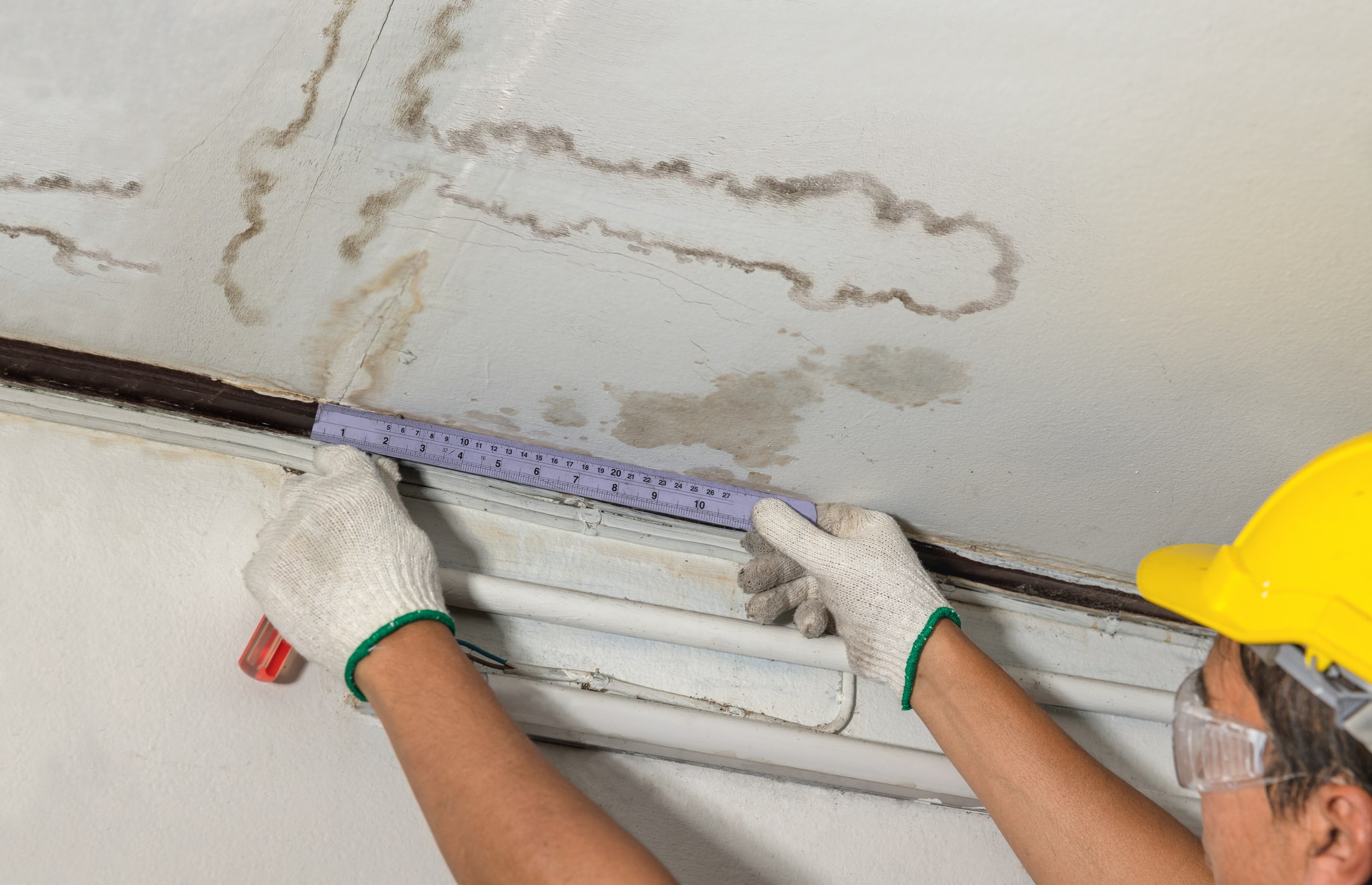
Parapet work on these 1940s-50s masonry buildings requires particular care. The parapet walls have had through-wall flashing failures for decades, and the brick immediately above the roof line is often spalled or eroded from the freeze-thaw cycling of water infiltrating the failed flashing. We specify through-wall flashing replacement and brick repair before the new membrane goes down — because a new roof leaking at the parapet within 18 months is worse than no new roof at all.
Highland Park is almost entirely within the Blackland Prairie clay formation — some of the deepest and most expansive clay in the metroplex. The original 1920s-30s builders understood this; their masonry construction with continuous footings was designed to move with the clay rather than resist it. The roofing consequence is that these buildings move seasonally in ways that modern structural framing does not — parapet flashings experience repeated stress cycles that modern EPDM or TPO are actually better suited to handle than the original coal-tar felt systems.