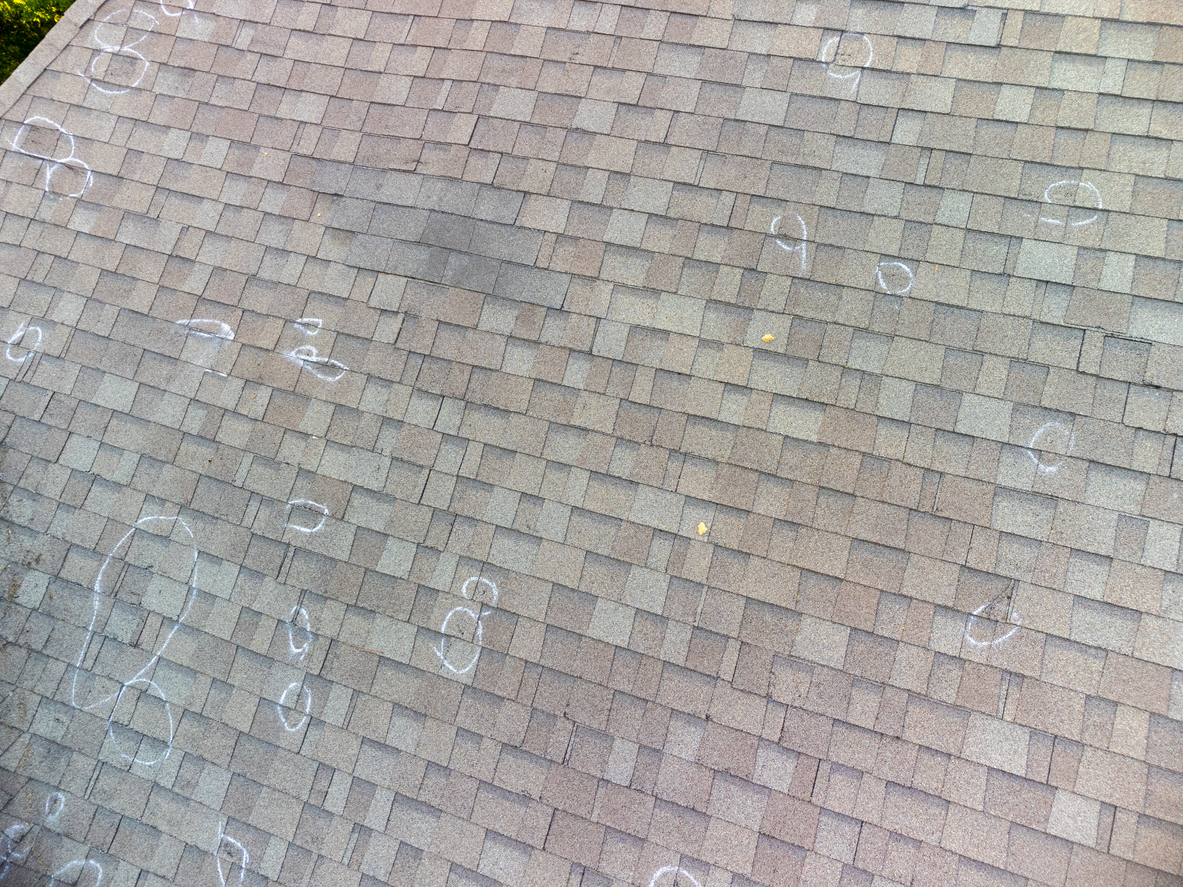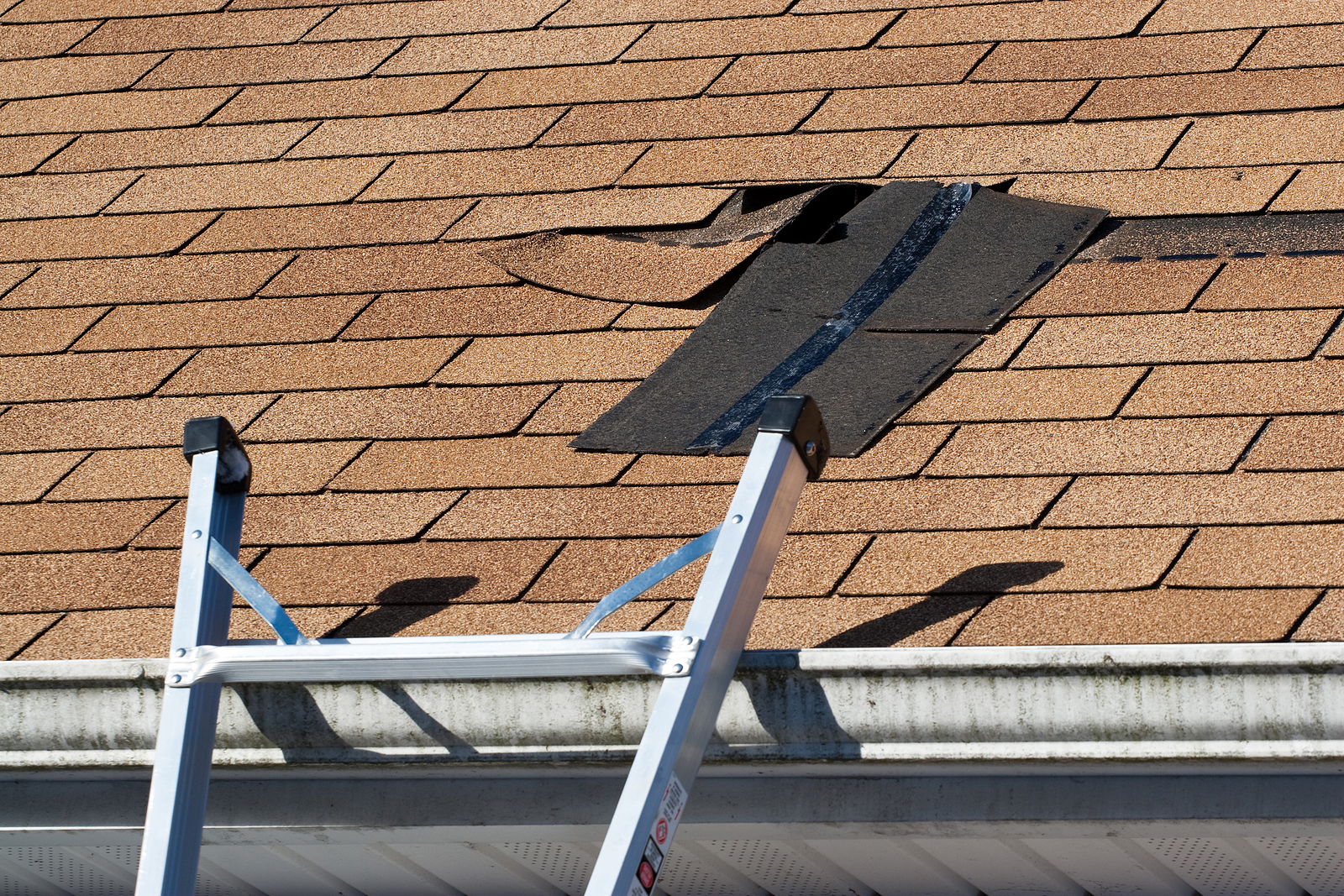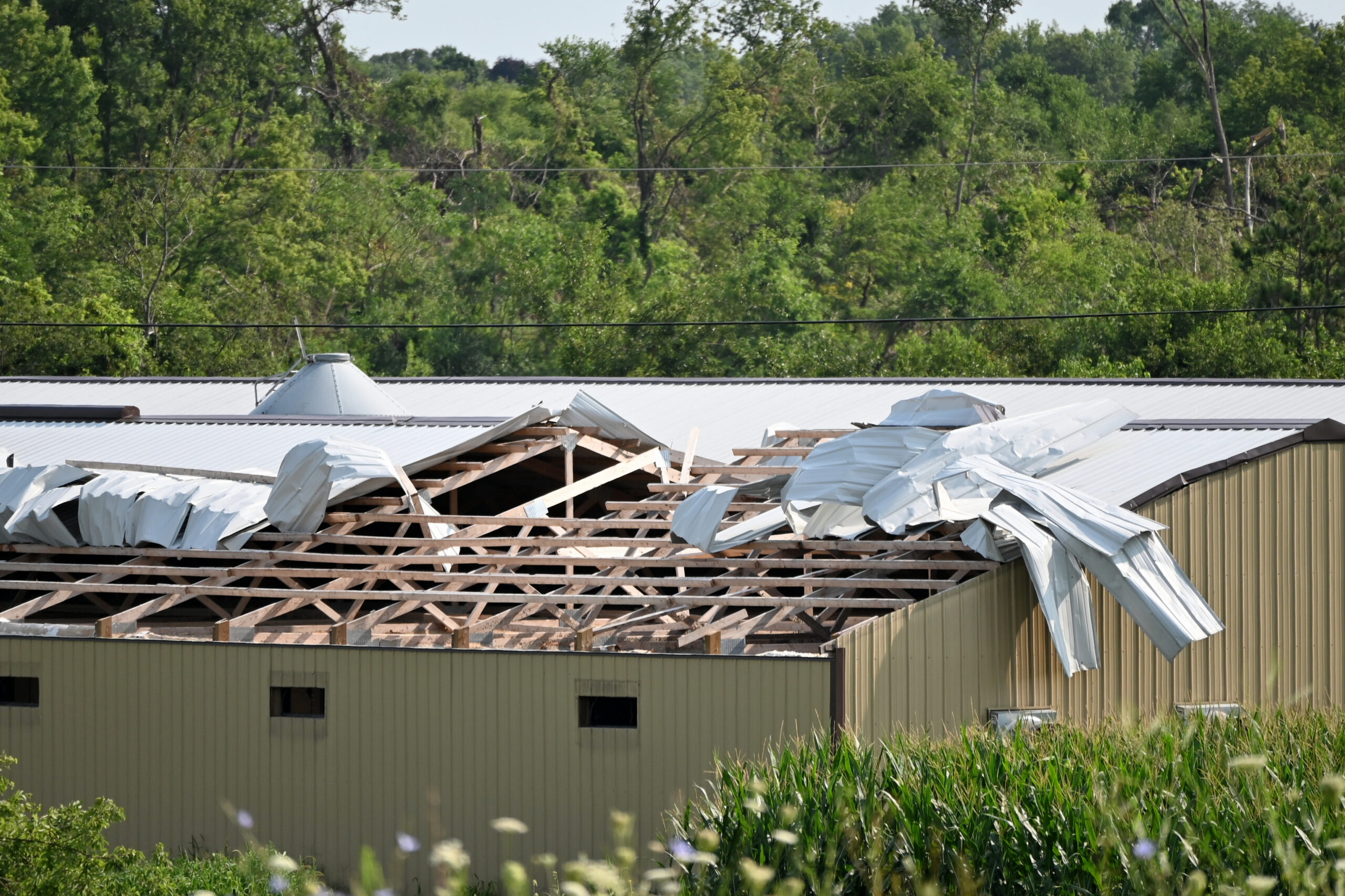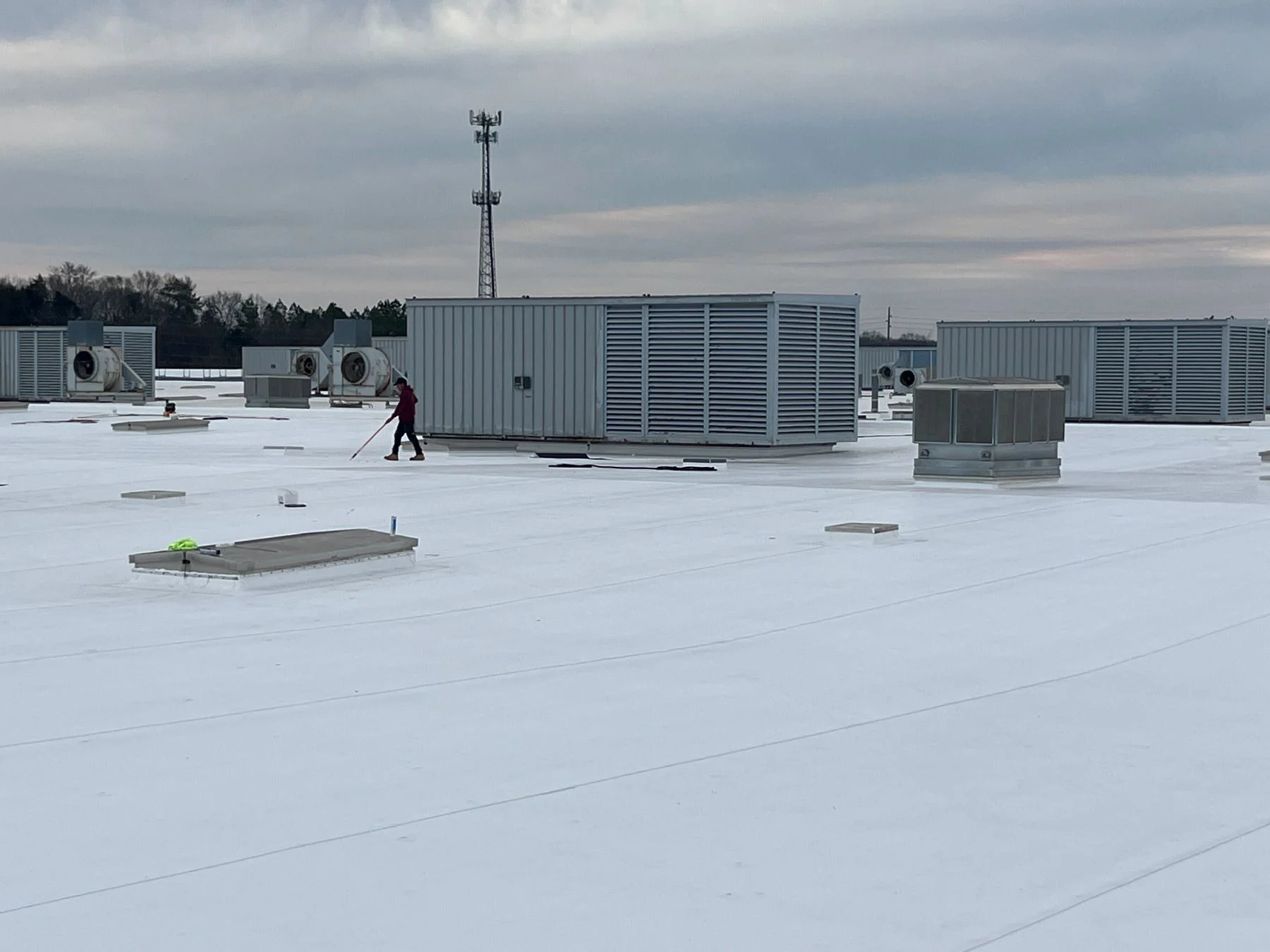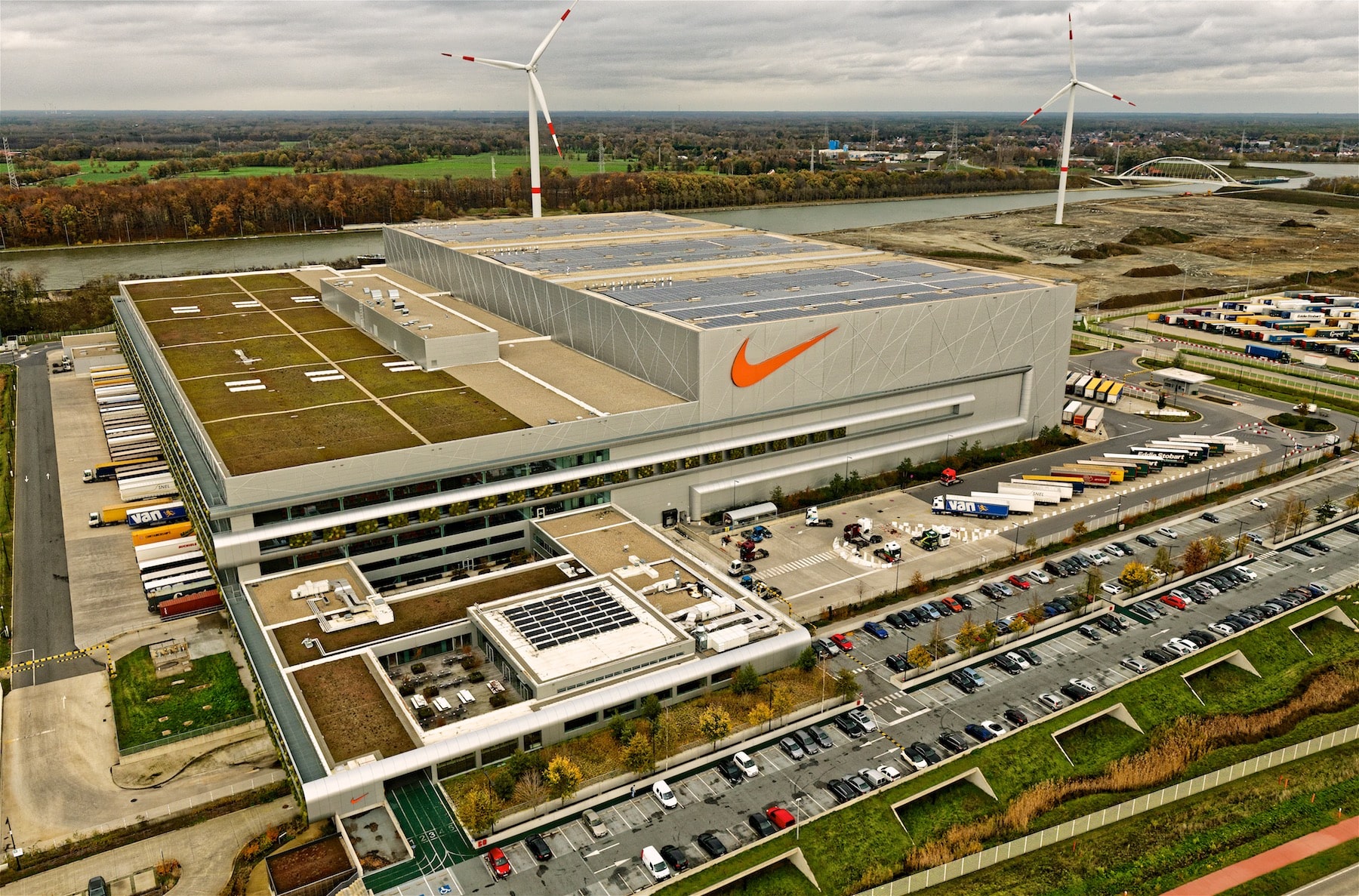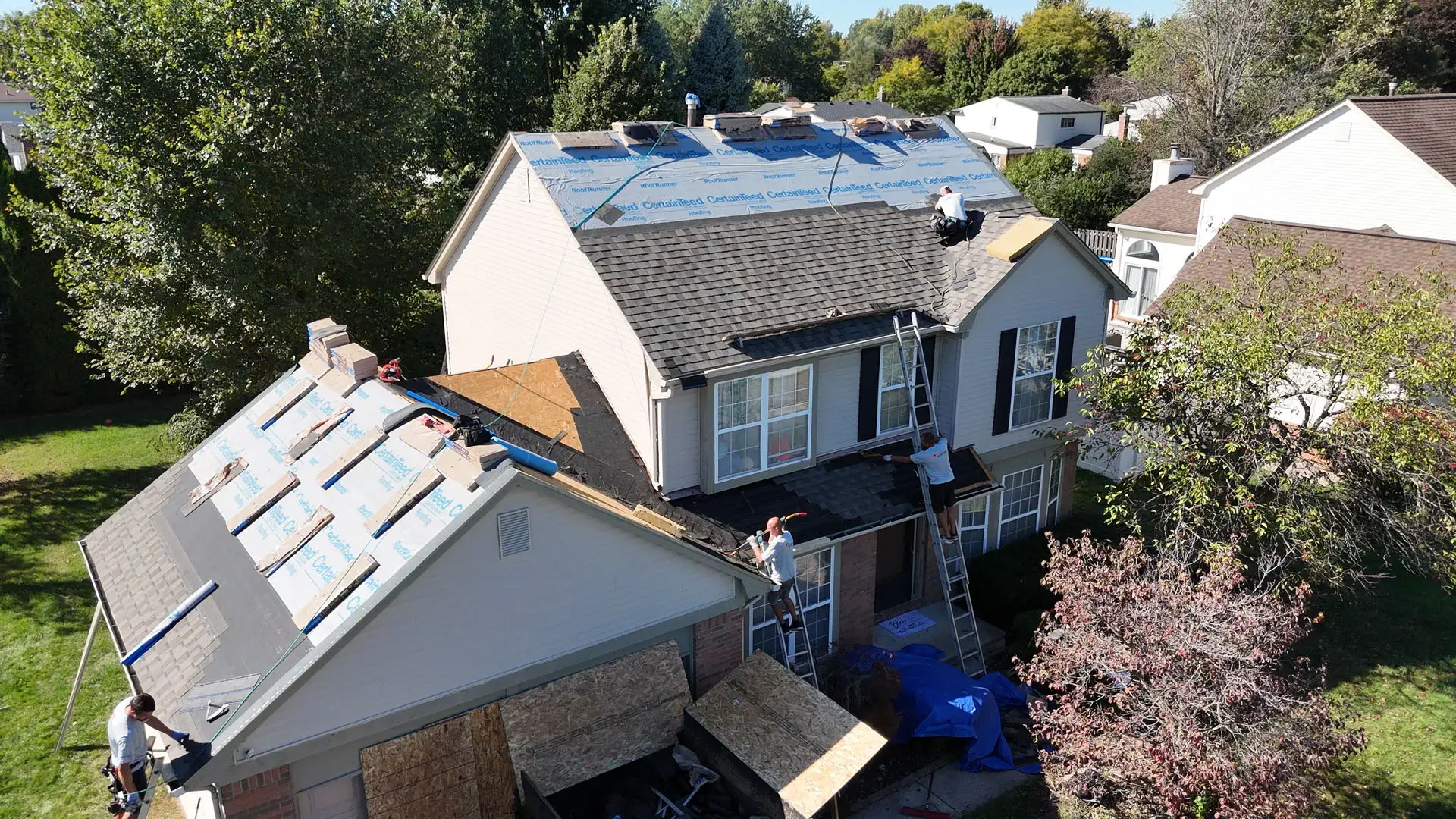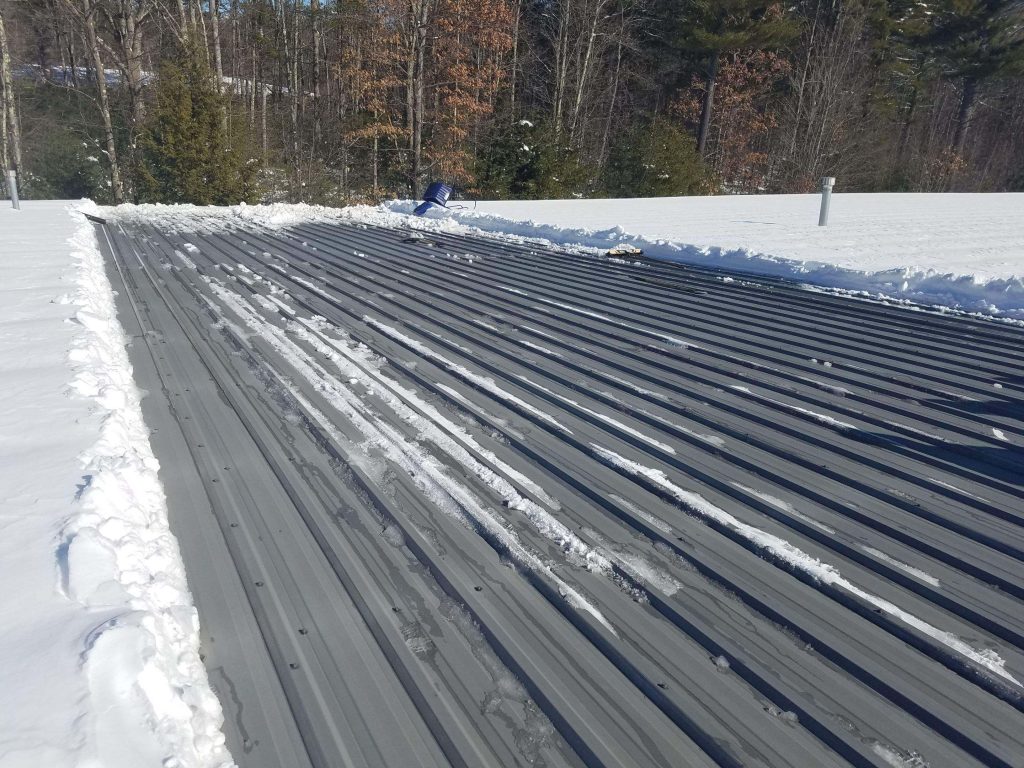
Winter Storm Uri in February 2021 produced 10 consecutive days of below-freezing temperatures in Dallas — a thermal shock event that the roofing systems on most Dallas commercial buildings were not designed to handle. We have been repairing the damage ever since.
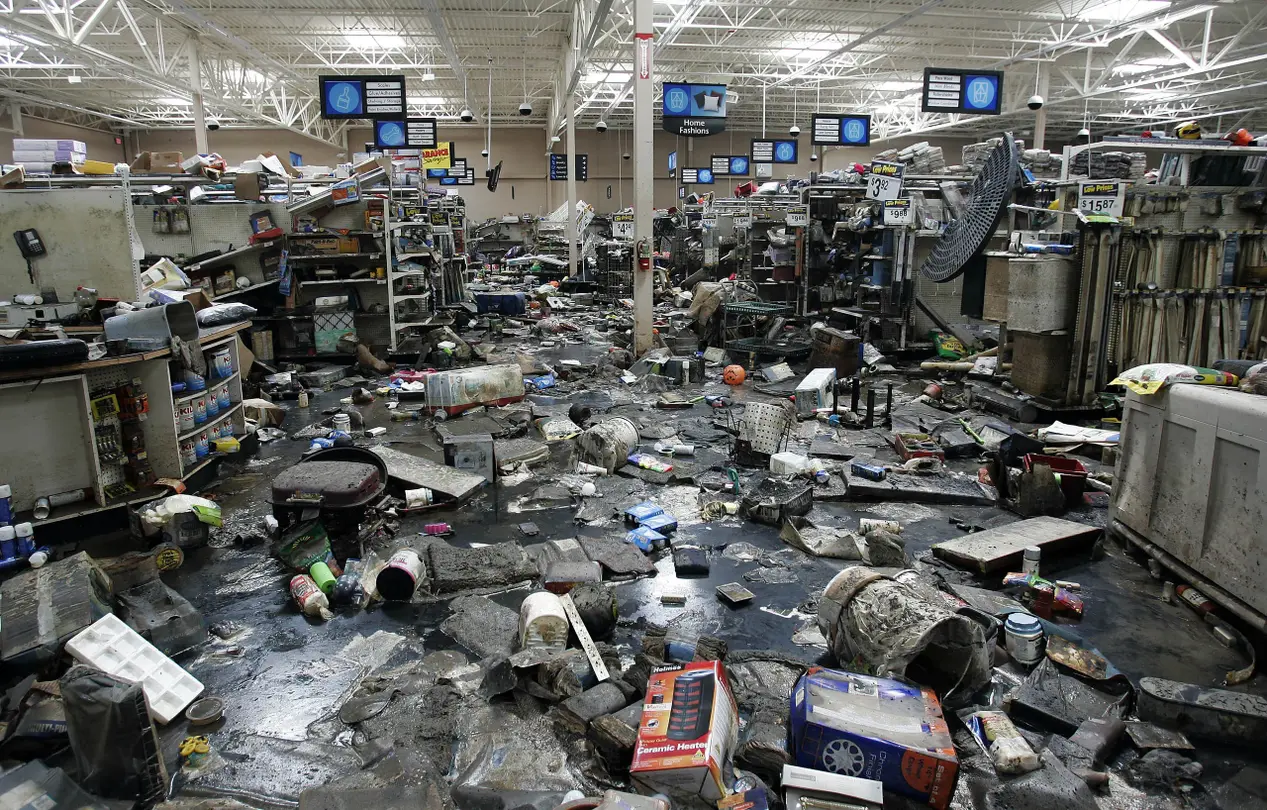
February 2021's Winter Storm Uri brought temperatures as low as -2°F to DFW and held the region below freezing for more than 10 consecutive days — an event with no precedent in modern Dallas climate history. Commercial roofing systems across the metro sustained damage that ranged from minor seam stress to catastrophic drain bowl failures that flooded building interiors when the thaw hit on day 11.
The damage mechanism was thermal shock: materials that expand and contract within a predictable seasonal range were driven far outside that range in both directions within 36 hours. TPO membrane seams that were factory-welded to the membrane's width tolerance suddenly had to accommodate thermal contraction loads they were never designed for. Cast-iron drain bowls on older Dallas commercial buildings — designed for seasonal freeze-thaw cycling at temperatures rarely below 15°F — cracked at the bowl body or at the outlet pipe connection when temperatures dropped below -2°F. Parapet cap flashing, moving with the masonry wall at a rate different from the roofing membrane below, separated at the counter-flashing overlap in ways that 20 years of seasonal cycling had never produced.
We documented and repaired Uri damage across the Dallas metro in 2021 and into 2022. We know what to look for, and we still find unresolved Uri damage on buildings whose owners either did not recognize the damage or deferred the repair.
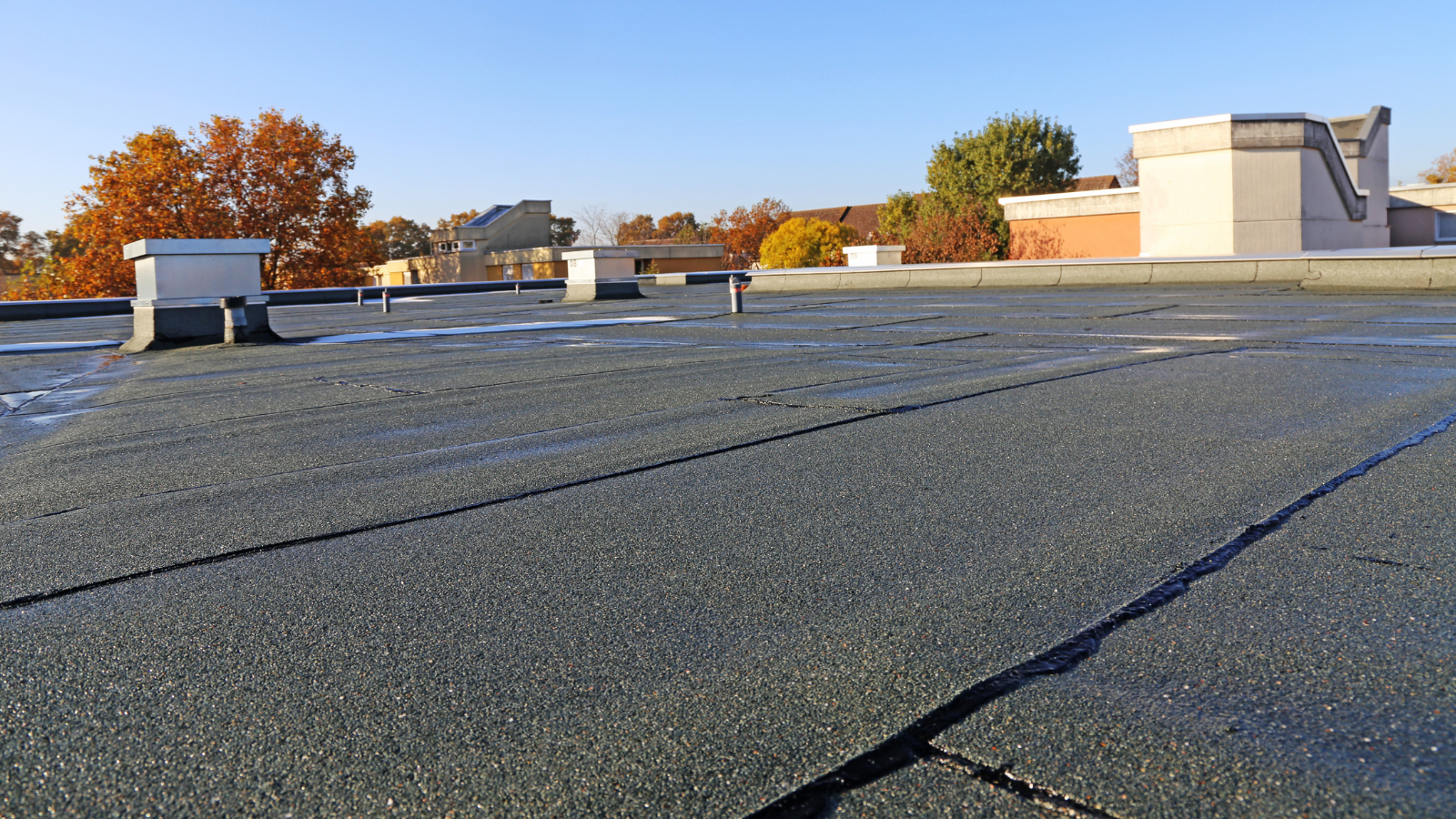
The characteristic seam damage pattern from Uri on Dallas commercial TPO roofs shows as seam splitting at the weld edge rather than at the center weld. A properly executed TPO heat weld is strongest at the center of the weld zone. Uri's thermal contraction pulled the membrane seams in tension at a rate that exceeded the weld's peel resistance — and the failures ran along the weld edge, producing a consistent visual signature: a clean separation line paralleling the seam edge, with the weld itself intact but lifted from the surface below.
EPDM roofs experienced Uri damage differently. EPDM is more cold-flexible than TPO and tolerates lower temperatures before becoming brittle. But the extreme sustained freeze caused EPDM splice adhesive to harden and lose bond strength — and when the thaw came and the membrane expanded, the splice adhesive did not expand with it, producing splice openings at mid-seam rather than at seam edges.
Modified bitumen systems on older Dallas commercial buildings showed Uri damage as transverse cracking across the field — small splits perpendicular to the roof slope that opened when the bitumen compound became brittle below -2°F and then contracted under the load. These cracks are sometimes visible from the roof surface but are often submerged in the granule layer and require close inspection with a probe.
Cast-iron drain bowls are installed on most Dallas commercial buildings built before 2000. Cast iron is rated for freeze-thaw cycling at the temperatures Dallas historically experiences — but Uri pushed well outside that rating. The failure mode is consistent: water in the drain body freezes and expands, and the expansion force cracks the drain bowl at the body or at the outlet socket. When the thaw comes, the cracked bowl drains through the crack instead of through the outlet pipe, producing interior flooding that can be substantial on a large-area roof.
We inspect drain bodies on every Uri-era inspection using a mirror-and-probe protocol: remove the dome strainer, probe the bowl body for cracks, and inspect the outlet socket connection with a mirror. Cracked drain bowls require replacement — temporary sealant fails quickly under the thermal cycling and hydrostatic load of the next rain event. Replacement drain bodies on older buildings sometimes require opening the roof assembly at the drain penetration to access the outlet pipe connection.
Parapet cap flashing failures from Uri present as counter-flashing separation at the wall face, cap metal displacement at the top edge, or base flashing separation at the membrane-to-parapet transition. All three failure modes result from the masonry wall and the roofing membrane moving at different thermal expansion rates through the Uri temperature cycle.