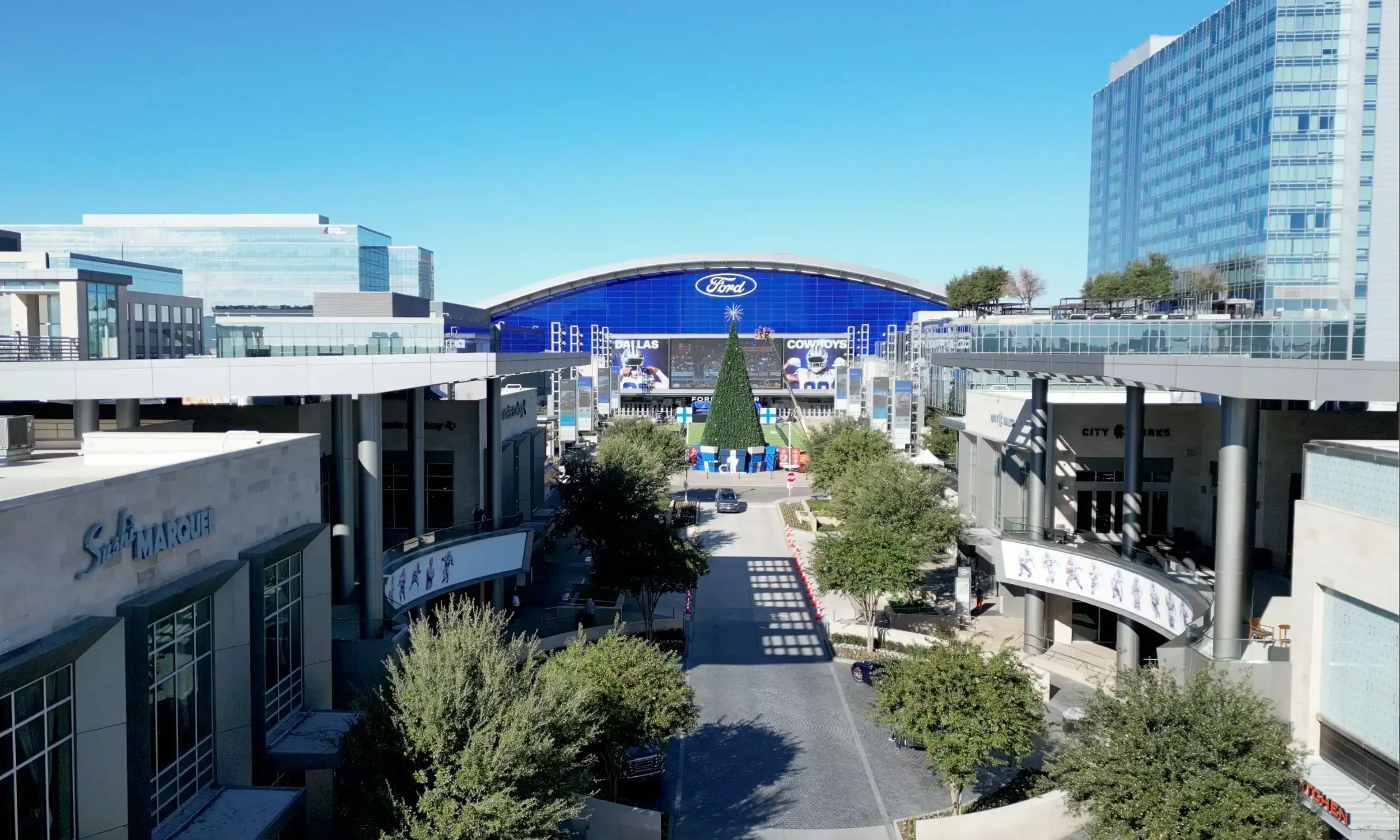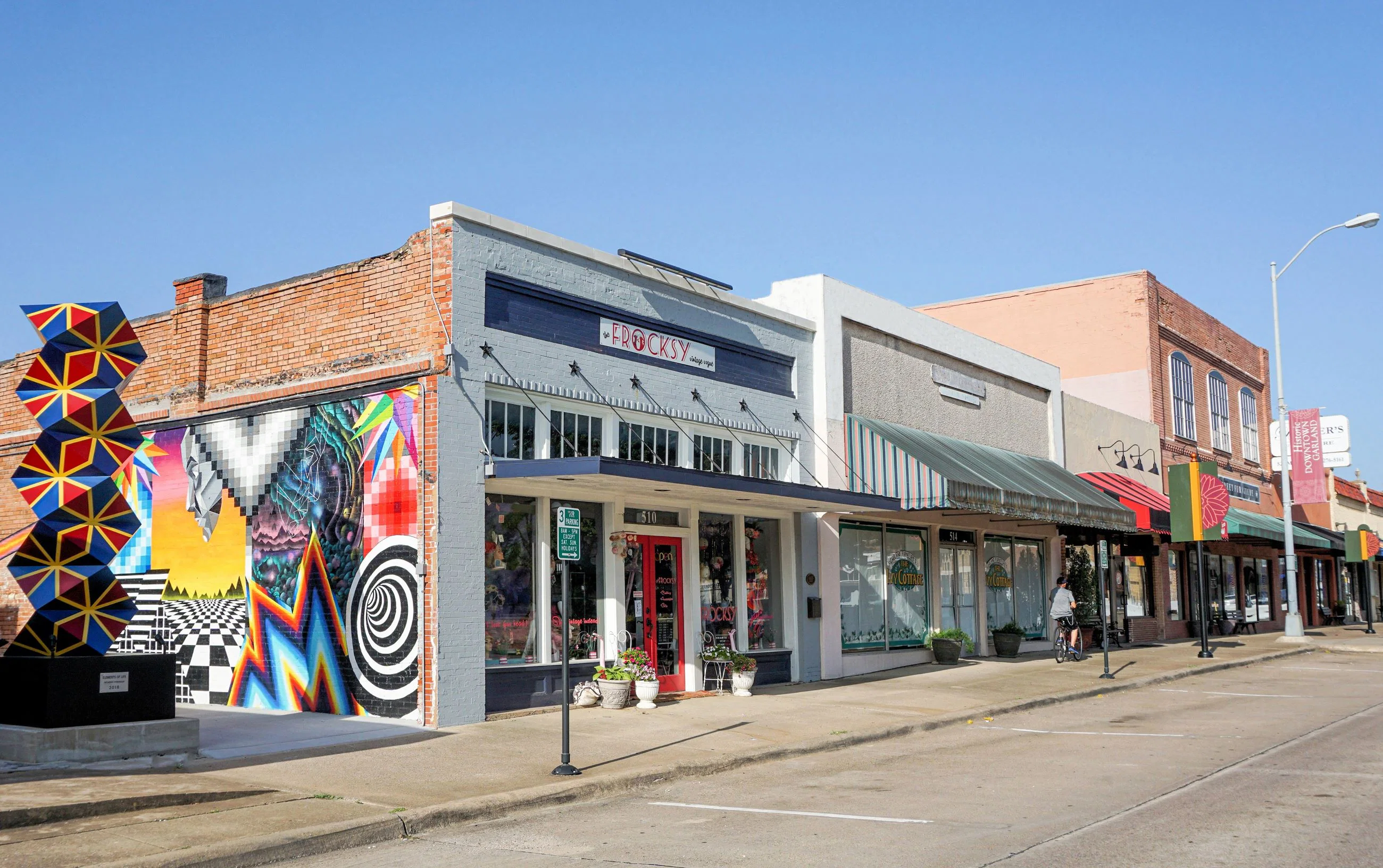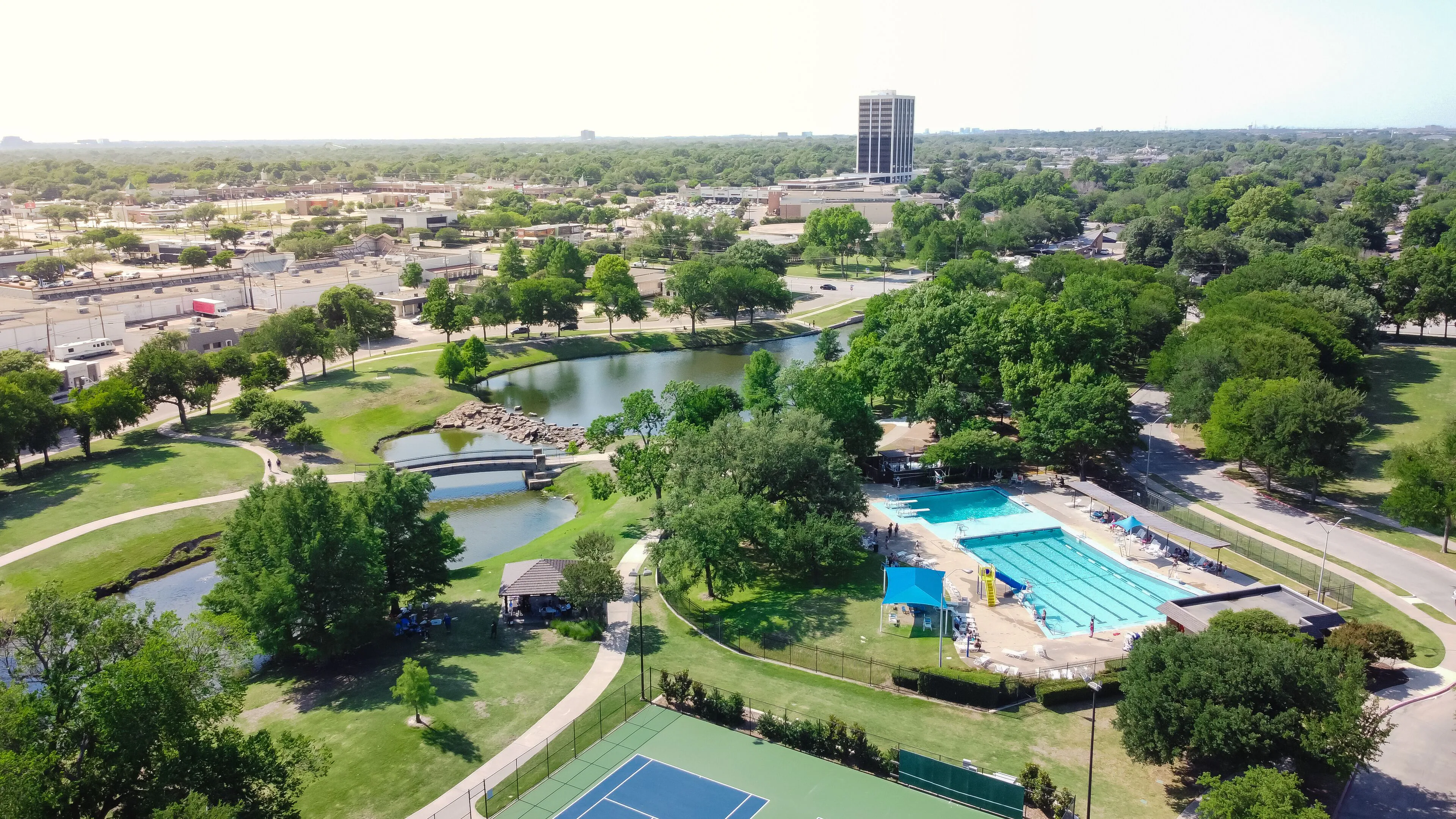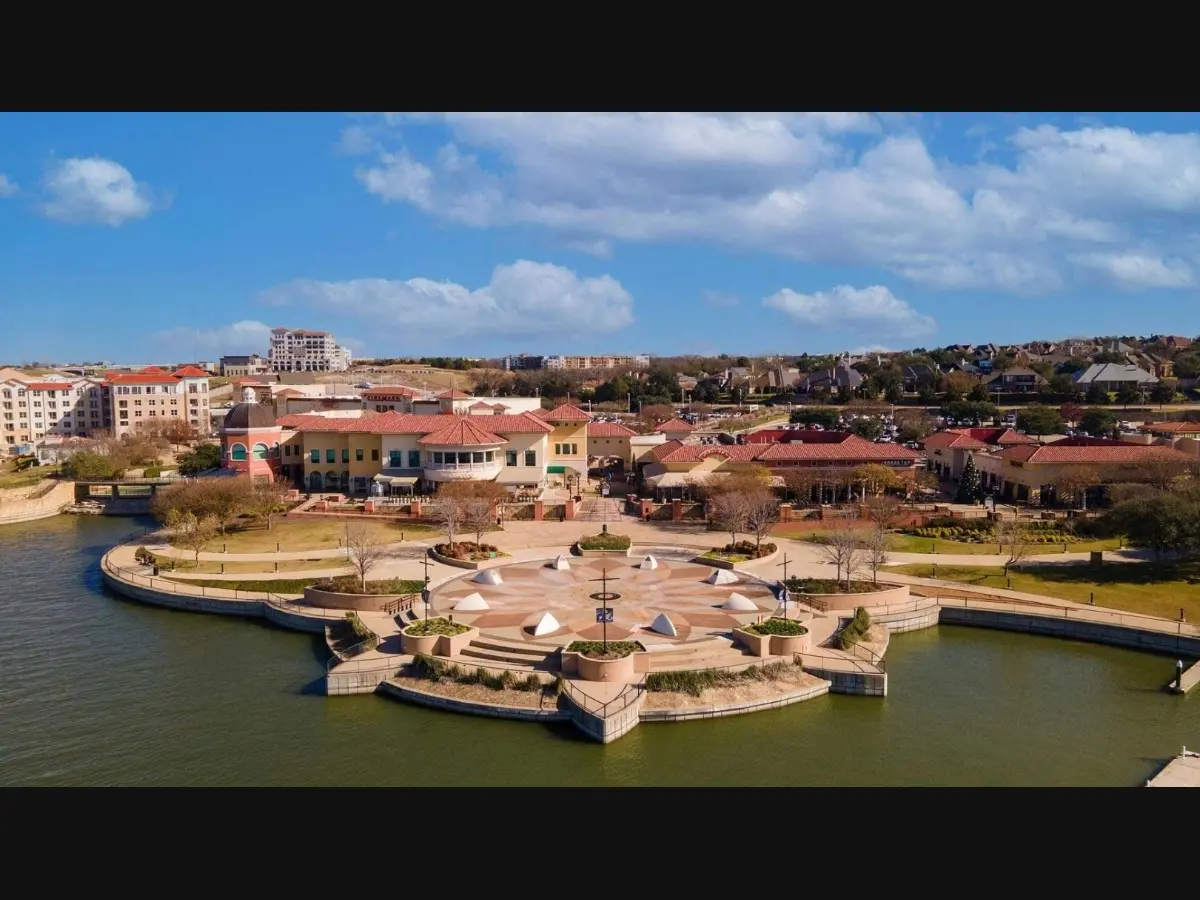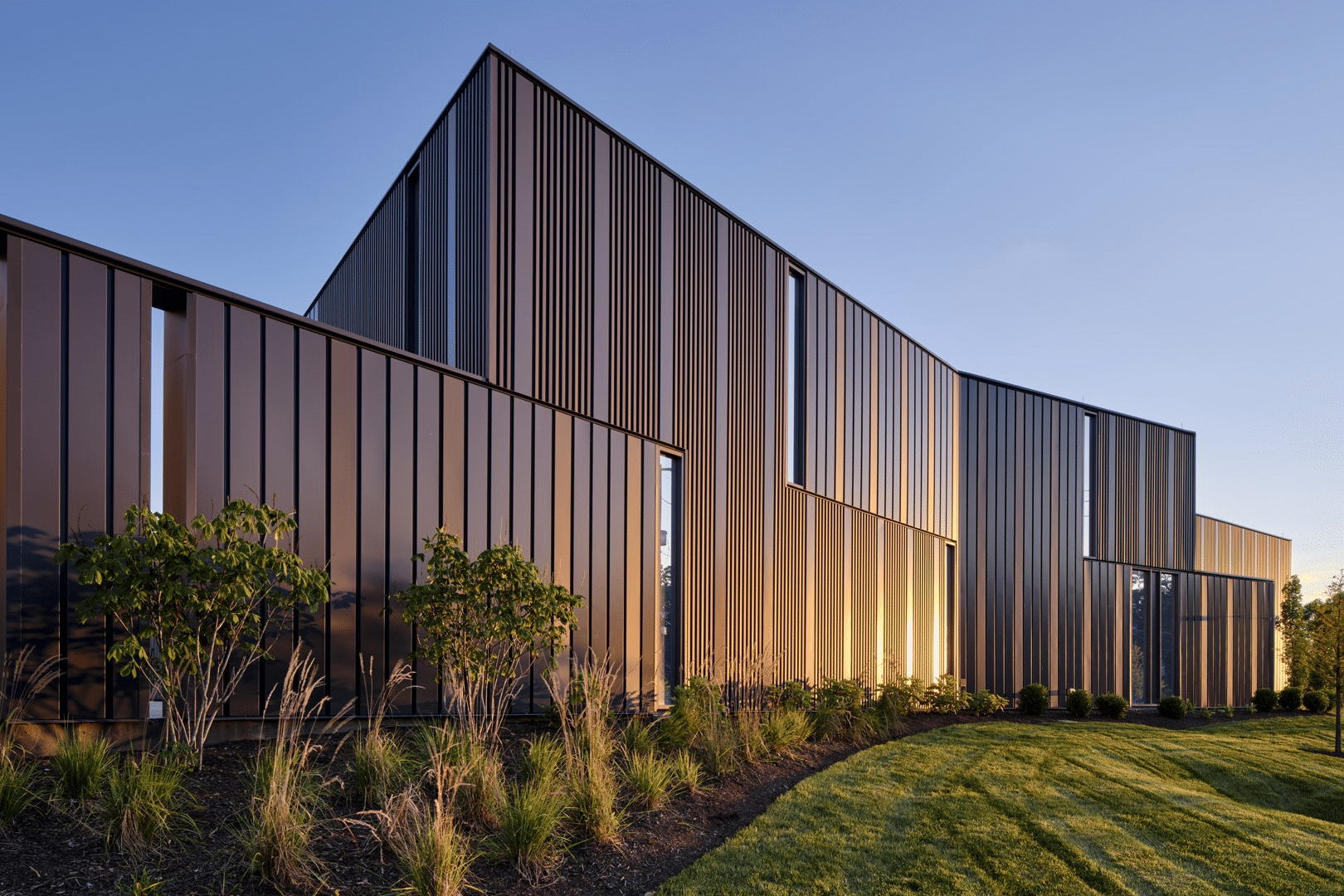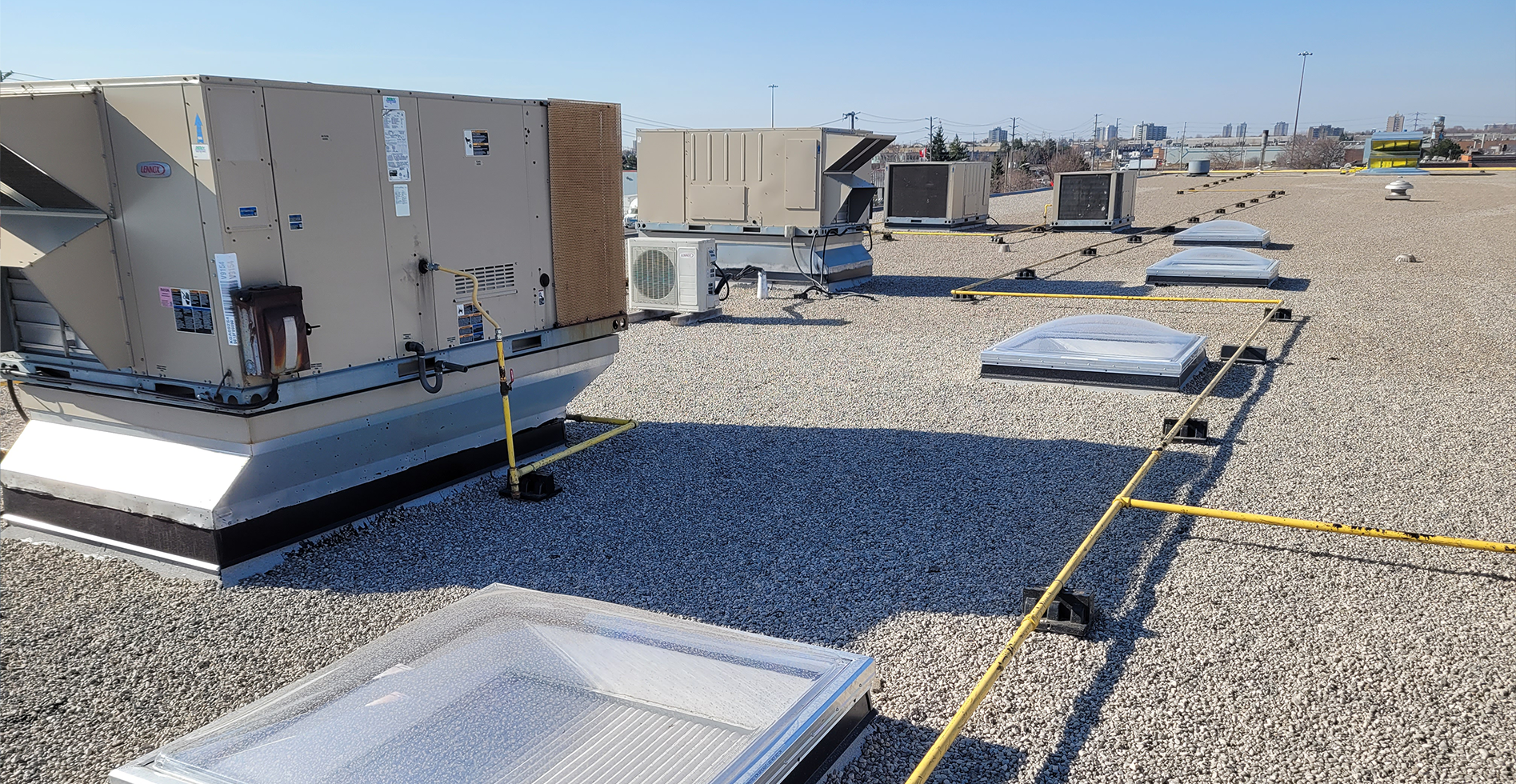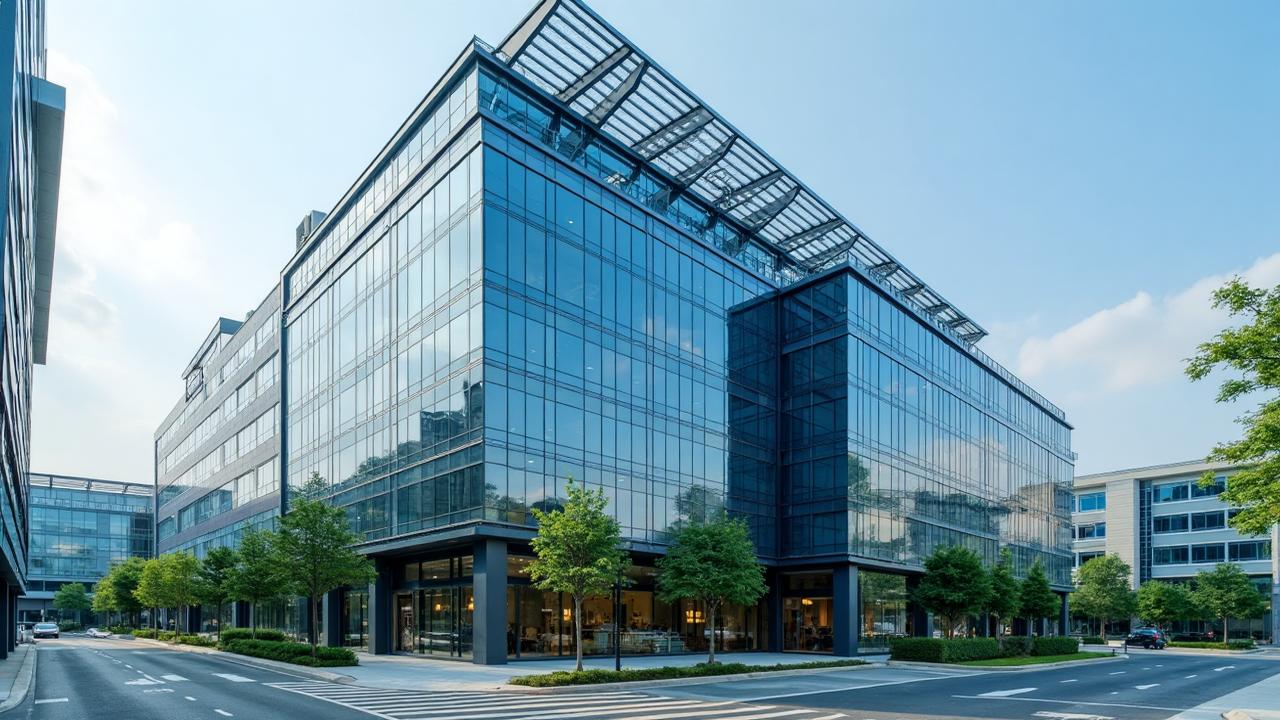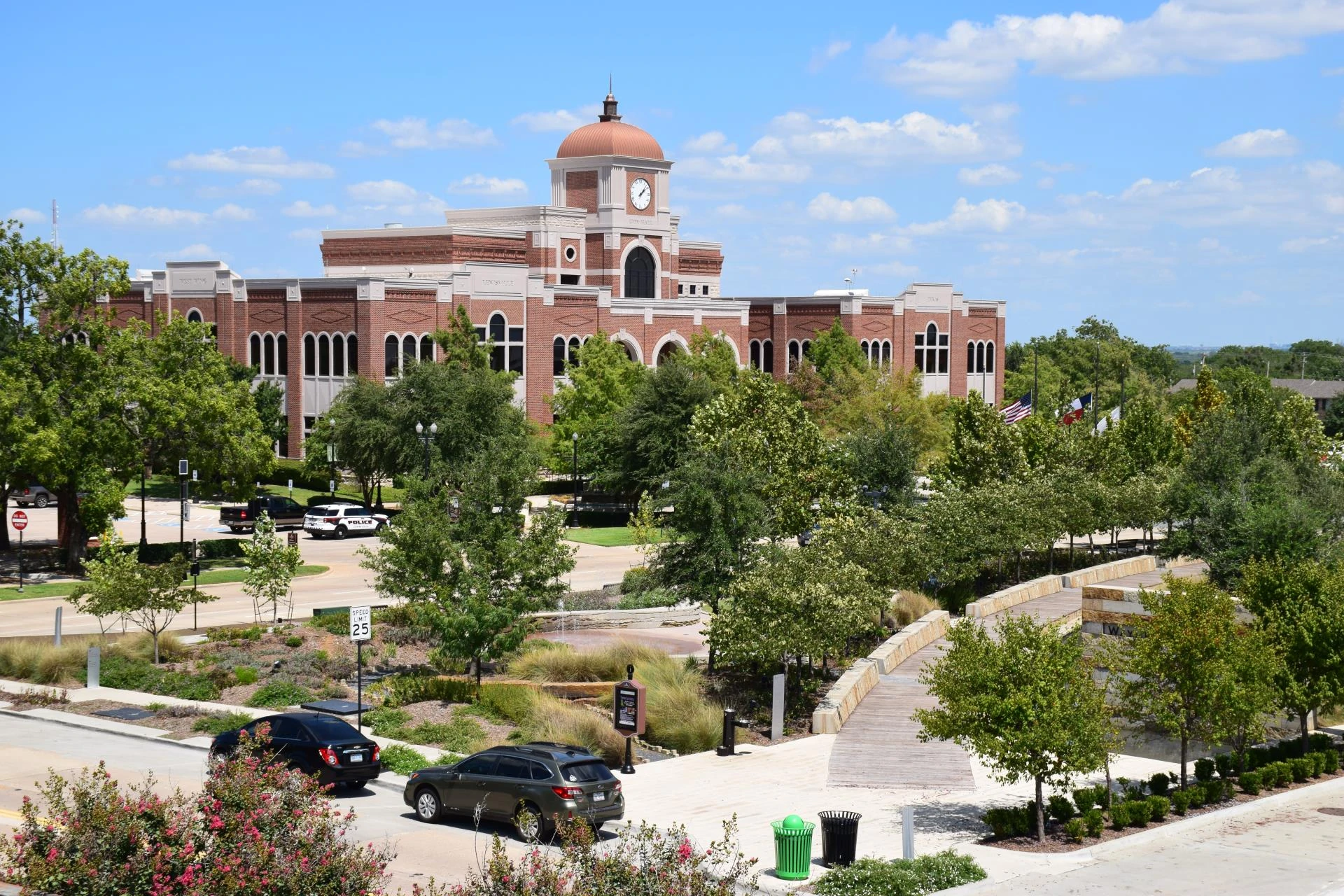
From the Vista Ridge Mall commercial cluster to the Lake Lewisville waterfront and the I-35E industrial corridor — Lewisville's 1990s commercial inventory is deep into reroof cycles and we run regular project work through all of it.
Lewisville's commercial roof story is almost entirely a 1990s story. The city built out its major commercial inventory — Vista Ridge Mall and its satellite retail, the I-35E industrial parks, the medical and professional office corridors along Corporate Drive and Round Grove Road — during the decade when modified bitumen and early-generation TPO at 45-mil were the standard specification. That inventory is now 25-35 years old and running at or past end of life.
Lake Lewisville's commercial waterfront adds a different inventory type: marina facilities, lakeside hotel and restaurant buildings, and the mixed-use commercial development around Lake Park and Hackberry Creek. These buildings have a more complex exposure profile than the inland commercial stock — moisture-driven failure from the lake-side humidity gradient, more aggressive biological growth on north-facing roof surfaces, and the additional wind exposure that open-water proximity produces.
The I-35E industrial corridor through central Lewisville is the highest-volume replacement market we service in Denton County. Distribution centers, cold-storage facilities, and light-manufacturing buildings built in two waves — early 1990s and early 2000s — are now running back-to-back reroof cycles. We have active scopes and maintenance contracts across this corridor and a working relationship with several of the property management firms that own the bulk of this inventory.
Vista Ridge Mall itself carries an aging EPDM system on the main mall structure and a mixed inventory of modified bitumen on the attached anchor pads. The anchor pad roofs — particularly the former Sears and Dillard's structures — have been through multiple ownership cycles since anchor vacancies, and roof maintenance has been deferred on several. We have done roof condition reports for property buyers and lenders on these structures; they typically need full replacement on the modified bitumen sections and major repair on the EPDM main structure.
The satellite retail along Vista Ridge Boulevard and FM 3040 is typical 1990s strip-center construction: TPO at 45-mil or modified bitumen SBS, parapet walls with failed metal coping, and drainage layouts that have collected debris over decades. Retail tenant operations drive scheduling — restaurant pads especially have to sequence around service hours, and HVAC penetration work has to coordinate with kitchen operations to avoid drawing construction debris into the exhaust system.
The I-35E corridor through Lewisville — roughly from Corporate Drive south to the Irving line — is the heaviest replacement concentration we work in this city. Buildings from 100,000 to 600,000 square feet, mostly distribution and light manufacturing, built 1989-2004 on modified bitumen or early TPO. The 1989-1995 buildings are solidly in second reroof territory. The 2000-2004 buildings are in first reroof or major repair.
Lewisville's I-35E buildings are mostly in Denton County jurisdiction, which means City of Lewisville building permits and Denton County inspections for some structures that straddle municipal lines. We coordinate permit filings for both jurisdictions and maintain working relationships with the inspectors in both offices.
Cold-storage buildings in this corridor add a scope layer that standard distribution reroofs do not have: vapor retarder specification, R-value requirements well above standard commercial code (R-40 to R-60 in some cold-storage configurations), and the risk of condensation-driven deck corrosion if the vapor control layer is not correctly designed. We bring a mechanical engineer into the scope on every cold-storage replacement to verify the vapor retarder position.
Lewisville sits at the north end of the Blackland Prairie clay belt — eastern Lewisville is on expansive clay, while the western portions near the lake transition to sandy loam that is more stable but has different drainage behavior. Buildings on the clay side of town show the familiar parapet-crack and drain-misalignment patterns from seasonal clay movement. We detail expansion joints into every replacement scope on these buildings.